(BLOOD + HONOUR) × FAMILY = YAKUZA EIGA
Japanese cinema is commonly associated with three types of hero—or antihero: the samurai or rōnin, the giant monster à la Godzilla and the yakuza. The last of these is a gangster with an elaborate tattoo covering his back and a highly specific understanding of honour, who has long been a permanent fixture in the landscape of Japanese cinema. From the Land of the Rising Sun, his influence has spread across the world, turning yakuza eiga into a cult genre for many viewers. It has also fired the imaginations of Western directors, allowing members of the Japanese mafia to fight battles to the death against, among others, Michael Douglas in Black Rain (Ridley Scott, 1989) and Dolph Lundgren in Showdown in Little Tokyo (Mark L. Lester, 1991). The yakuza’s greatest and most interesting battles, however, have always taken place on Japanese soil. It is therefore worth examining the genre more closely and learning at least a little about its rich history.
WHO, EXACTLY, ARE THE YAKUZA?
Yakuza is a term applied both to gangsters and to mafia organisations descended from criminal groups whose origins reach back to the beginning of the Tokugawa period (1603–1868). The era preceding it was marked by numerous military conflicts, creating considerable demand for samurai. When warfare gave way to peaceful existence at the beginning of the seventeenth century, however, those same samurai suddenly found themselves unemployed. With few opportunities to lead ordinary lives, some began forming gangs. The first of these emerged towards the end of the Muromachi period, before 1573. Known as hatamoto yakko or kabukimono, they supported themselves primarily through theft and occasional murder, and also had a habit of leaving restaurants without paying.
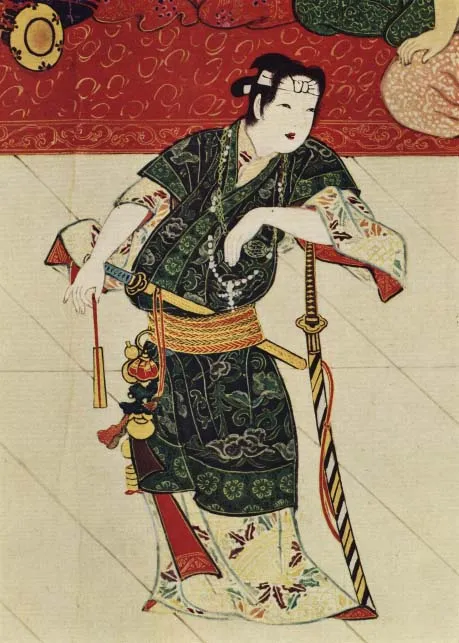
Members of the hatamoto yakko distinguished themselves not only through their aggressive behaviour, but also through their flamboyant—often blue-and-yellow—clothing, which included short kimono, broad obi belts, elements of European dress and even women’s garments. They decorated their swords in a similarly conspicuous fashion. These were usually longer than standard weapons, while on rare occasions they also used long kiseru(1) as weapons.
Although the yakuza are sometimes believed to have descended directly from the kabukimono, the considerably more popular view among historians identifies the machi yakko as the precursors of modern gangsters. Fearing attacks by the hatamoto yakko, young men began joining organised groups that functioned as a kind of militia or private police force. These were known as machi yakko, and their activities were usually confined to individual towns. It was not long before the machi yakko themselves began living on the fringes of the law, but their defence of local communities and resistance to outside aggressors earned them a romantic reputation, preserved in oral accounts, songs and theatrical performances.
During the seventeenth and eighteenth centuries, two criminal groups began to emerge from the machi yakko: the bakuto and the tekiya. The tekiya were travelling merchants frequently encountered at popular markets and festivals. They quickly acquired a poor reputation for selling inferior goods, cheating customers and even forcing people to purchase their wares. The tekiya organised themselves into groups governed by strict internal codes. They also possessed clearly defined hierarchies that became models for later criminal organisations. In addition to trading, they extorted money in return for the supposed “protection” of particular areas and became involved in gang wars. Their way of life and considerable freedom of movement meant that people wanted by the police frequently joined their ranks.
The bakuto, meanwhile, gathered primarily in larger cities and beside heavily travelled roads, such as the famous Tōkaidō route connecting Edo—present-day Tokyo—with Kyoto. Their principal activity was running illegal gambling establishments where traditional Japanese games, including hanafuda, were played. Somewhat later, they also added moneylending to the services they offered. Many bakuto “families” accumulated enormous fortunes through secret agreements with local administrators who allowed them to continue their illegal activities. Government-employed labourers would often lose their wages to the bakuto after work, after which the gangsters shared their profits with the authorities.
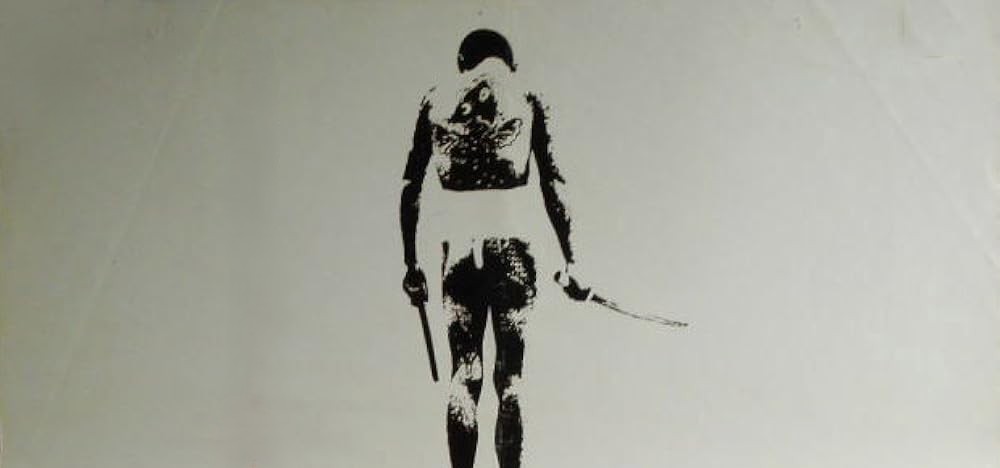
In the eighteenth century, the bakuto introduced the traditions of full-back tattoos and self-mutilation as a form of apology, both of which continue to this day. It was also in relation to them that the term yakuza, which they themselves coined, was first used. The name derives from the combination eight-nine-three in the card game oicho-kabu, played with hanafuda or kabufuda cards. This combination produces the worst possible result and symbolically represented the rest of society’s contempt for the bakuto. Before long, the term was also applied to the tekiya.
Yakuza groups were—and remain—organisations with clearly defined hierarchies. At the top is the oyabun, or “parent”, the boss responsible for looking after his kobun, or “children”, who in return owe him complete loyalty. Through this terminology and a variety of rituals, the yakuza acquired a quasi-familial character, with gangsters addressing one another as brothers. Indeed, a true gangster is expected to regard his yakuza “family” as more important than his biological family and to sacrifice his life for it or for his oyabun without hesitation.
Naturally, there was never a single type of gangster, meaning that loyalty varied considerably in practice, as did morality. For this reason, the yakuza developed jingi, a particular code of righteousness by which they were expected to live and which distinguished them from everyone else. Among other things, jingi prohibited involving outsiders in gang rivalries. As a result, yakuza “families” formed guild-like structures. Combined with the authorities’ tacit acceptance of their activities, this allowed members of criminal organisations to take public pride in their yakuza affiliations and in their separation from ordinary citizens.
Over the years, the yakuza became increasingly closely connected with the country’s politics, supporting and actively promoting right-wing and nationalist views, often in their most extreme forms. By the end of the nineteenth century, during the Meiji Restoration, many oyabun had already acquired enormous influence. One example of the intersection between violence, politics and ultranationalism was Mitsuru Tōyama, a former samurai who founded the Genyōsha in 1881, an early far-right secret society often described as fascist.
Such yakuza presented themselves as true patriots, fanatically supporting the emperor’s position and the feudal system. Their methods of political influence included blackmail, acts of terrorism and the murder of left-wing ideologues whenever the latter began attracting greater support. These ultrarightist communities and gangster “families” acquired sufficient influence to control trade unions both in Japan and in Japanese colonies, including Korea. Many influential yakuza had a genuine impact on the militaristic and nationalist policies that led Japan into the Second World War.
Moreover, after briefly losing power and, in some cases, being designated war criminals, many yakuza regained their positions following the war. Nor was it unusual for former oyabun to become “respectable” public figures. Examples include Kazuo Taoka, the third leader of the Yamaguchi-gumi, and Ryōichi Sasakawa, a far-right activist and post-war political power broker who described himself as “the world’s richest fascist”.
It is therefore impossible to deny that a clear connection—and, at least to some extent, a particular symbiosis—existed between the yakuza and the political world. This was also evident in the police’s willingness to close down the yakuza’s smaller operations—prostitution, drug trafficking, gambling, debt collection and so forth—while generally leaving their more lucrative sources of income undisturbed, thereby allowing them to continue existing and retaining their influence.
Furthermore, the yakuza functioned as a kind of police force in places beyond the reach of the state authorities. When young criminals began roaming the streets, committing thefts or assaults, there was a strong likelihood that they would be absorbed—sometimes forcibly—by a local criminal organisation, which would redirect their energy and frustration towards the benefit of the group.
WATCH OUT! GANGSTERS INVADE THE CINEMA!
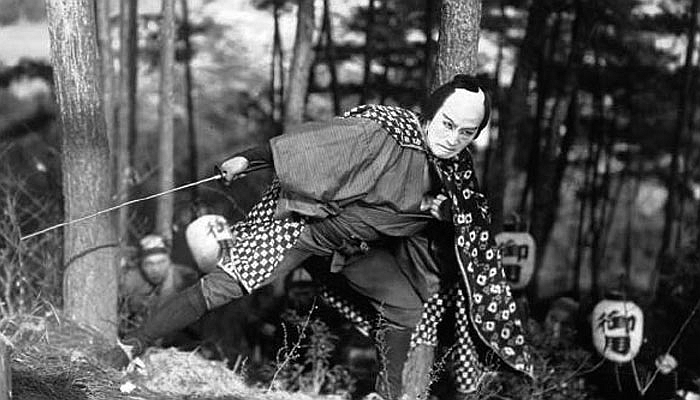
The first cinematic gangsters in Japanese film made their debuts in chanbara productions, which offered audiences numerous sword fights. Various bakuto—usually presented positively, in a manner reminiscent of Robin Hood—frequently performed heroic deeds while fighting evil gangsters or those who oppressed the innocent. The most famous among them were Kunisada Chūji and Jirōchō.
Before the war, both purely escapist chanbara and films presenting more cynical views of the world achieved considerable commercial and artistic success. The presence of yakuza undoubtedly helped such productions attract broader audiences, leading to the permanent establishment of gangsters in Japanese cinema.
Despite their popularity, the yakuza were forced to disappear from the screen for a time as Japan prepared for war under the militaristic rule of the Shōwa era. Cinema became an instrument of government propaganda, and the state could not allow the presence of gangsters distinguished by such strong—and entirely undesirable—individualism. During the post-war period, however, the yakuza quickly fought their way back onto the silver screen. It was then that the image associated with classic yakuza eiga began to take shape, while the first elements that would become typical of the genre from the 1970s onwards started to appear.
On the one hand, romantic films continued to be made in which historical yakuza fought with pride in their hearts and swords in their hands. On the other, gangsters also began appearing in the contemporary world in more realistic productions. Akira Kurosawa undoubtedly influenced the popularisation of both images. Bakuto, for example, appeared in his famous Yojimbo (1961), while the modern yakuza, stripped of any moral backbone, entered his excellent Drunken Angel (1948), in which Toshirō Mifune played a low-ranking gangster in a realistic portrait of criminal life.
Kurosawa also addressed organised modern crime later in his career, as demonstrated by The Bad Sleep Well (1960). Having observed gangster cinema occupying ever more space in Japanese cinemas each year, however, the director grew reluctant to employ elements associated with yakuza eiga. Furthermore, most contemporary productions presented a romantic vision of the gangster as a righteous hero confronting evil criminals who abused their positions for immoral and material gain. In essence, this amounted to a positive portrayal of a brutal criminal milieu, and Kurosawa opposed such representations.
He was not, of course, alone in depicting the yakuza realistically and critically. Gangsters even appeared in the work of filmmakers entirely unassociated with the genre, such as Mikio Naruse in The Angry Street (1950), as well as in Satsuo Yamamoto’s socially committed and decidedly worthwhile Town of Violence (1950).
It is difficult, however, to regard these early films as fully fledged examples of yakuza eiga. Their use of elements associated with gangster cinema did not result from attempts to participate in a still-emerging cycle, which would only begin crystallising into a recognisable genre at the beginning of the 1960s. Instead, these were productions engaged in social discourse, seeking to draw viewers’ attention to rising crime in Japan, corruption among the police and politicians, and violations of human rights.
Although the presence of gangsters in such films undoubtedly inspired later yakuza eiga filmmakers, they formed part of the broader landscape of contemporary Japan. The directors were not primarily concerned with life inside criminal communities, but with the effects those communities had on the rest of society.
This does not mean that no attempts were made to exploit contemporary crime for sensational purposes while the genre was taking shape. Among the filmmakers who preferred a more exploitative approach was Teruo Ishii, particularly in his films for Shintoho. From 1956 onwards, under the leadership of former showman Mitsugu Ōkura, the studio turned towards sensational and exploitative subjects, increasing both the violence and the erotic content of its films. This naturally led to a greater focus on negative characters and criminal environments.
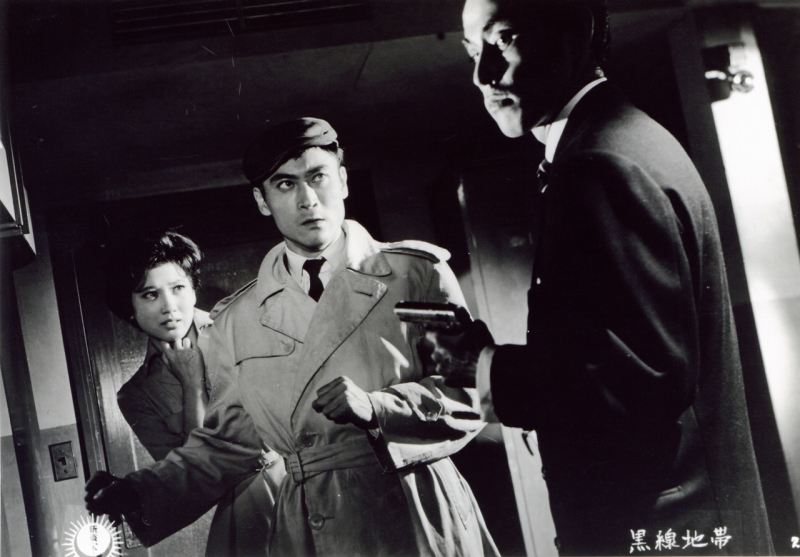
Among Shintoho’s productions, particular attention should be paid to the Line series (Chitai), launched in 1958. These films concerned illegal prostitution, drug trafficking and murders taking place on the streets of contemporary Japan, presented sometimes in a quasi-documentary manner and sometimes in an almost surreal setting.
They were important not only because of their early sensational treatment of modern organised crime, but also because they increased the levels of brutality and sexuality found in Japanese cinema more broadly, influencing the exploitation cycles that would emerge later.
Ishii was naturally not the only filmmaker who made increasingly aggressive gangster cinema under Ōkura’s supervision. Other directors worth mentioning include Tatsuo Asano, Toshio Shimura, Kiyoshi Komori and Michiyoshi Doi. In their attempts to find new audiences, they drew extensively upon American and European cinema, particularly film noir. In doing so, they gradually developed a Japanese style of depicting criminals that led Japanese cinema directly towards yakuza eiga.
To conclude this section, it should be added that the escapist and sensational use of criminal environments also entered other strands of Japanese cinema, as demonstrated by Ishirō Honda’s science-fiction thriller The H-Man (1958).
CINEMA WITHOUT BORDERS: NIKKATSU ENTERS THE FRAY
Following the end of the Second World War, Nikkatsu rapidly rebuilt its position—and, more importantly, its finances—by screening Hollywood productions in its cinema chain. American films achieved enormous financial success, as demonstrated by the fact that Japanese box-office revenues doubled between 1951 and 1953.
After a period spent profiting from other people’s ideas, however, the time came for Nikkatsu to resume producing films of its own. In 1953, the studio’s president, Kyūsaku Hori, officially decided to restart film production. Although the other studios joined forces in an attempt to block their competitor, Nikkatsu, equipped with modern technology and considerable financial resources, boldly returned to the fray in 1954.
To begin with, it recruited producer Wahei Hoshino and such directors as Kon Ichikawa, Sō Yamamura and Kinuyo Tanaka, the second female director in Japanese history.(2) Initially, Nikkatsu searched for its place in the market by trying its hand at a range of genres, from chanbara and serious dramas to light comedies. All these productions had one characteristic in common: they drew extensively upon Western cinema.
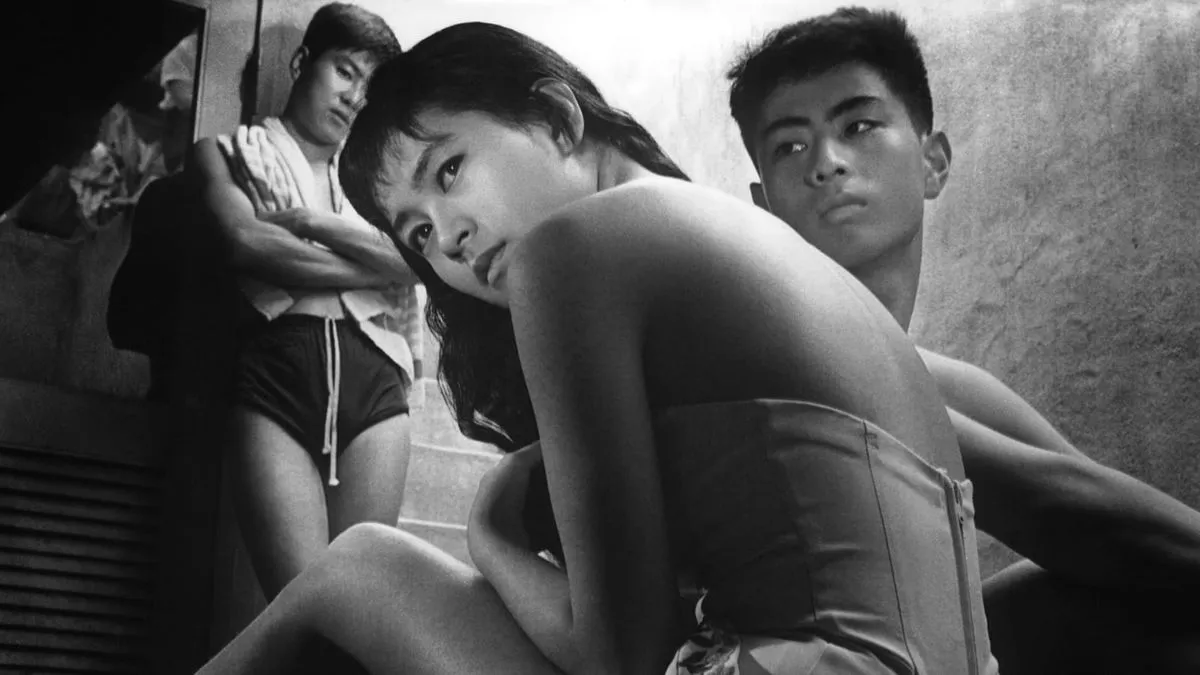
In 1956, Nikkatsu shook Japan with its hit Season of the Sun (Takumi Furukawa), an adaptation of Shintarō Ishihara’s popular novel about an immoral secondary-school student who seduces a girl in Ginza and then abandons her. Its treatment of underage sex, pregnancy and abortion, together with its broader image of an amoral younger generation, proved too much for public opinion. After a second Ishihara adaptation, Crazed Fruit (Kō Nakahira, 1956), was produced, opposition prevented the realisation of a third proposed adaptation, The Grey Classroom (Haiiro no kyōshitsu).
Despite the hostility of the censors and Japan’s guardians of morality, these films achieved enormous financial success. Yūjirō Ishihara, who embodied the new, materialistic post-war generation in them, became a megastar and an object of desire for countless young women.
With such a popular actor under contract but unable to continue the cycle with which he had become associated, Nikkatsu cast Ishihara wherever it could. In quick succession, he appeared in a drama, a war film, a musical and a comedy. Finally, in 1957, he began appearing in action and gangster films stylistically indebted to film noir, westerns and, somewhat later, James Bond productions. Notable examples among the studio’s offerings include The Winner (Umetsugu Inoue, 1957) and I Am Waiting (Koreyoshi Kurahara, 1957).
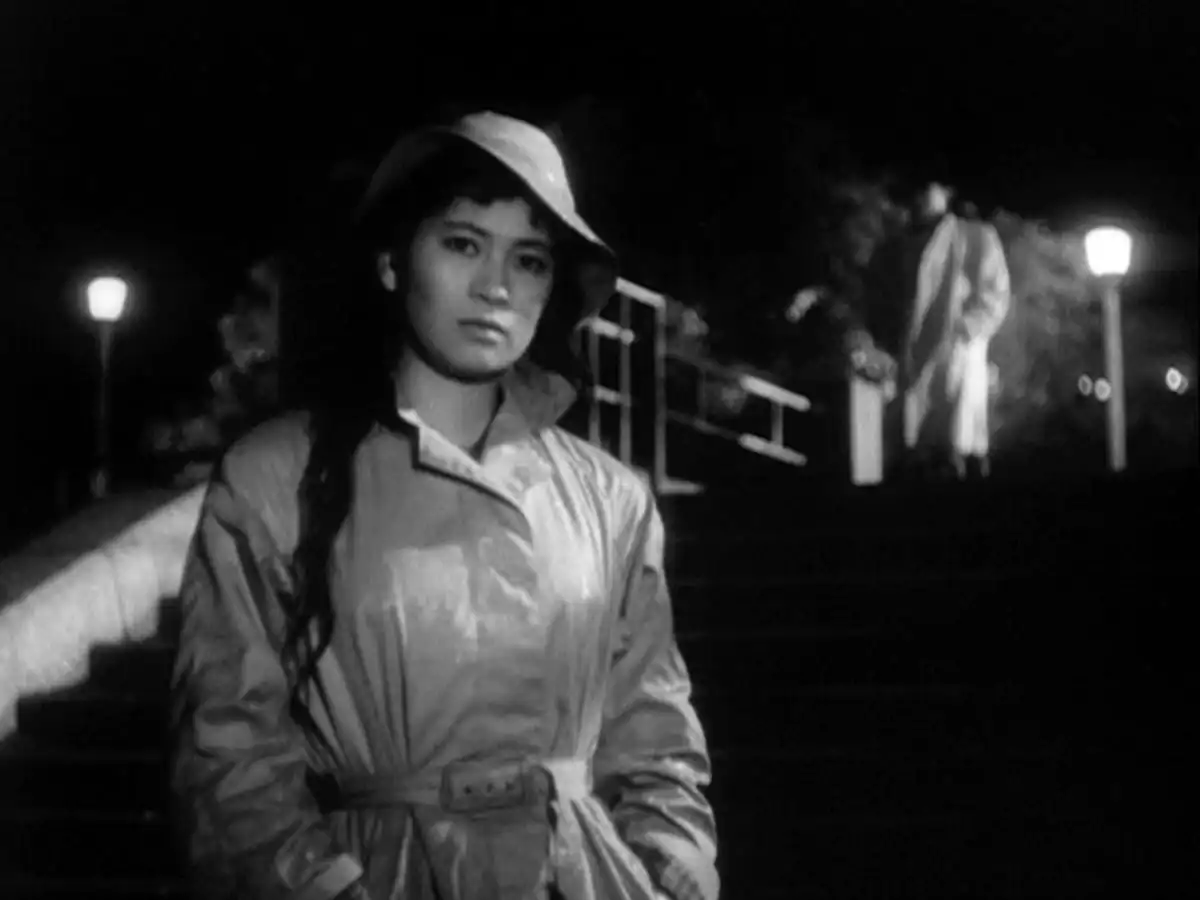
Nikkatsu was earning considerable sums from Ishihara’s popularity and its action films, and became convinced that it had found the right path towards dominating the market. The position of action cinema within the studio was therefore strengthened, and Ishihara’s position along with it.
Among the productions in which he played the leading role, particular attention should be paid to Red Pier (Toshio Masuda, 1958), a remake of Julien Duvivier’s Pépé le Moko (1937). This film is regarded as the true beginning of mukokuseki eiga, or mukokuseki action: “borderless cinema”, whose stories took place in locations that were difficult to identify geographically.
Its protagonists inhabited spaces far removed from those associated with classical Japanese films. They ate Western food, were illuminated by multicoloured lights, encountered numerous foreigners, and decorated their apartment walls with photographs and paintings from different parts of the world. The plots were filled with twists and turns, presented through sudden cuts and a somewhat experimental style, accompanied by music combining Japanese enka ballads with jazz numbers.
The cycle’s enormous popularity encouraged Nikkatsu to concentrate upon it and promote a new generation of Japanese film stars, including Akira Kobayashi, Kōji Wada, Keiichirō Akagi and Jō Shishido. Nothing lasts forever, however, and the popularity of mukokuseki eiga began to decline, giving way in 1963 to a cycle focused exclusively on the yakuza: ninkyō eiga.(3)
Nikkatsu naturally continued producing action films, while the studio’s “borderless films”, together with Shintoho’s productions and the images of gangsters found in the work of Yamamoto and Kurosawa, influenced the further development not only of gangster cinema.
It is also worth mentioning that Nikkatsu had not yet had its final say. Although undeniably interesting production lines—such as nyū akushon, which influenced, among other things, sukeban cinema and representations of female criminals—did not achieve the same success as the competition’s films, Nikkatsu’s move towards roman porno in 1971 allowed it to re-enter the struggle for box-office dominance. But that is a story for another occasion.
HONOUR ABOVE ALL: TOEI CRUSHES THE COMPETITION
As already mentioned, chanbara had formed the backbone of the Japanese film industry from the earliest days of cinema. It was hardly surprising, then, that Toei, searching for a way to conquer the post-war box office, turned towards sword-fighting productions in the 1950s. These frequently starred the veteran Ryūtarō Ōtomo and the very young Kinnosuke Nakamura.
Most of the studio’s offerings were purely escapist and sometimes infantile productions, occasionally combining traditional chanbara with elements of fantasy cinema. As such, they had little chance of defeating the competition. Yet in its attempt to keep pace with current trends, Toei gradually began moving towards increasingly brutal films during the 1950s. The studio pursued its competitors so rapidly that, before it realised what had happened, it had left them far behind.
By transferring its stories to the Meiji and Taishō eras (1868–1922) and focusing on the yakuza who inhabited those periods, Toei effectively created a new genre within Japanese cinema: ninkyō eiga, also known as ninkyō yakuza eiga.
The move from periods preceding 1868 to those following it quickly proved to be a brilliant idea, as confirmed by the financial success of Theater of Life: Hishakaku (Tadashi Sawashima, 1963). Toei correctly recognised that productions set in feudal times and concerning the honourable gangsters of that era could no longer achieve the same popularity they had enjoyed before Japan’s defeat in the war.(4)
There were at least several reasons for this. Firstly, cultural changes and the chaos of the post-war period had altered the audience’s tastes. Secondly, the gangster was no longer merely an anonymous hero from a chanbara film, but part of a brutal reality: people suffering from poverty and hunger frequently experienced violence at the hands of the yakuza. Thirdly, the often infantile productions set in feudal times were usually entirely detached from reality. Fourthly, samurai stories had begun establishing themselves on television, meaning that many people no longer felt the need to visit cinemas to see them. Nor did the return of Western films to Japanese cinemas make matters any easier, since domestic studios were also forced to compete against them—a challenge that Nikkatsu initially handled most successfully.
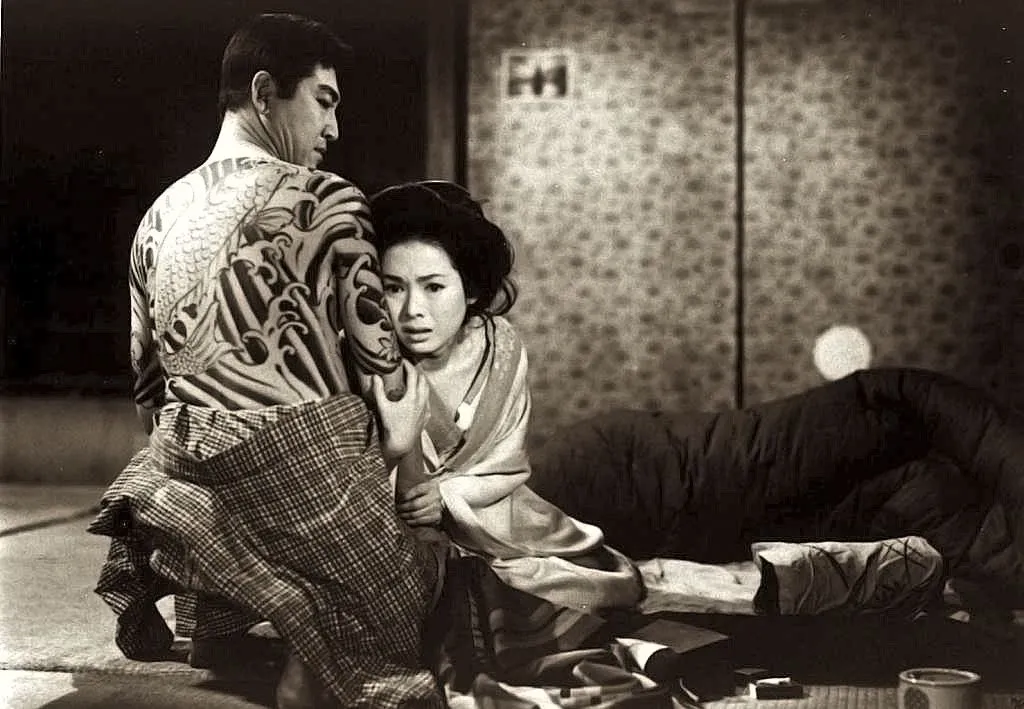
Against this background, Theater of Life: Hishakaku, starring Kōji Tsuruta and Ken Takakura, proved revolutionary despite its fundamental lack of originality. This gangster story, set at the beginning of the twentieth century with a romantic triangle in the background, owed its popularity less to its plot than to the bravura performances of its actors. Toei quickly recognised the cycle’s potential and immediately increased the number of ninkyō films in its catalogue.(5)
Naturally, filmmakers such as the previously mentioned Kurosawa and Yamamoto had already presented realistic yakuza eiga directly connected to the country’s post-war condition. Kurosawa’s ambitious and pessimistic portrait and Yamamoto’s moralising tone, however, had little chance of conquering the box office over an extended period, while Toei was interested above all in financial profit.
Moving the action to the pre-war period was therefore a step towards depicting gangsters more realistically, but also allowed the studio to continue the traditions of chanbara, since the protagonists still used bladed weapons. It naturally enabled the introduction of an honourable and righteous gangster capable of restoring at least a small degree of order to a chaotic world.
This created a profitable middle ground between realistic and socially committed cinema on the one hand, and escapist, occasionally brutal entertainment on the other. It should also be noted that Toei, having previously concentrated on chanbara, already possessed numerous sets and props that could successfully be reused in ninkyō eiga, providing the studio with further savings.
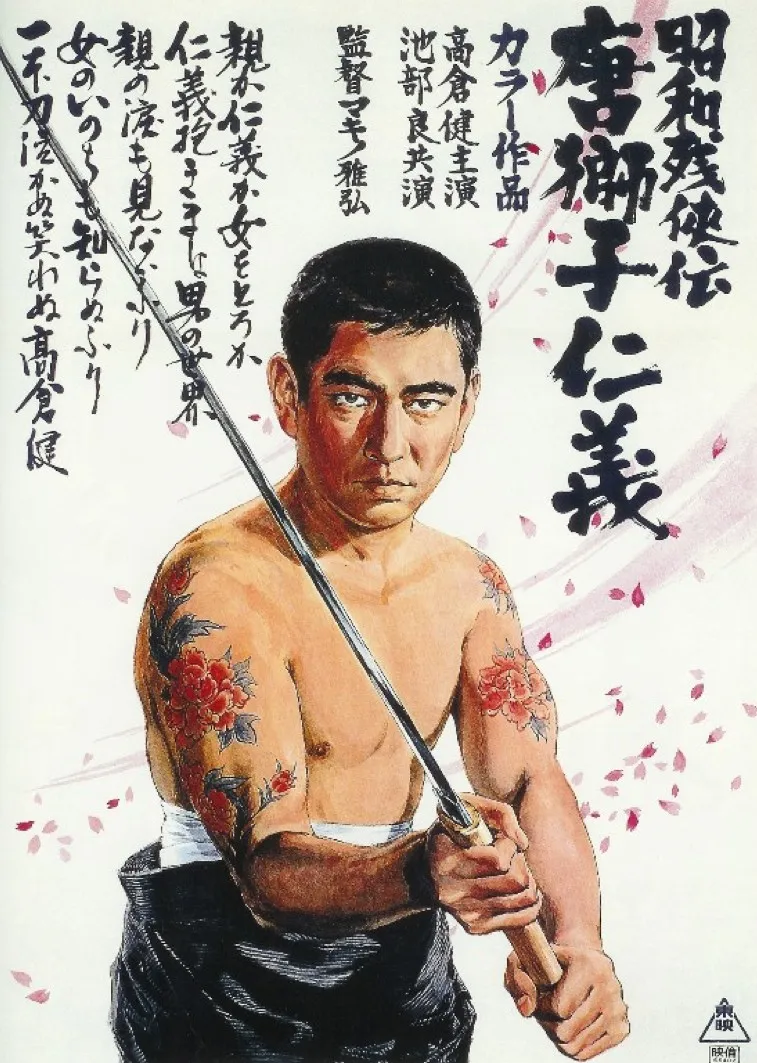
Just as samurai were expected to follow bushidō, the honourable code governing samurai conduct, the yakuza in these films possessed their own rigorous code, to which they were required to remain faithful. Just as samurai often found themselves trapped in an irreconcilable conflict between ninjō and giri, the yakuza usually had to choose between loyalty to an oyabun who was not always moral and loyalty to the gangster code.
Ninkyō films, centred upon the honourable and fundamentally good gangster, fully introduced the concept of jingi—honour and humanity—to cinema. It became known as the Gangster’s Code or ninkyōdō, the Chivalrous Path from which the cycle derived its name.
The protagonist of such a production was usually a tough man who observed the principles of jingi, frequently assisted the weak and was distinguished by both moral and sexual purity. Even when he fell in love—usually with his feelings reciprocated—he would ultimately not remain with the woman he loved.(6) He would choose duty over his private life and even over a potential friendship with another righteous gangster. Towards the end of the film, he would then march proudly—often across a symbolically placed bridge—towards the enemy’s headquarters, where, alone or with only limited assistance, he would confront a horde of morally corrupt gangsters.
One innovation of ninkyō eiga was the introduction of a broader range of villains, who had been virtually absent from films about feudal gangsters. In keeping with the spirit of modernity, governments, the military and businessmen began to be portrayed negatively, which also originated in attempts to address contemporary subjects. The modern gangster would frequently defend exploited workers or impoverished widows.
Naturally, the image of gangsters presented in ninkyō films was far removed from reality. It is difficult to imagine a criminal organisation composed of noble warriors who, armed with swords, honourably advance alone against hordes of enemies and dispense justice. Despite the changes introduced, the hero of this form of cinema remained a romantic variation upon the yakuza. Attempts to reflect social problems ultimately played a secondary role.
This does not mean, however, that the films are poor reflections of their period—quite the opposite. Ninkyō eiga, for example, presents the contemporary ambivalence of social attitudes that celebrated a new and supposedly better world while simultaneously condemning those who had created it and amassed vast fortunes at the expense of other people’s suffering.
This ambivalence would intensify over the following years. Gangsters would soon remove an increasing number of negative elements from society, including elements arriving from the “wicked” West. Consequently, Japanese gangster cinema would attract labels such as nationalist and fascist. This, of course, also reflected the attitudes of a considerable part of society, which Mitsugu Ōkura had already begun courting for financial reasons during the second half of the 1950s.
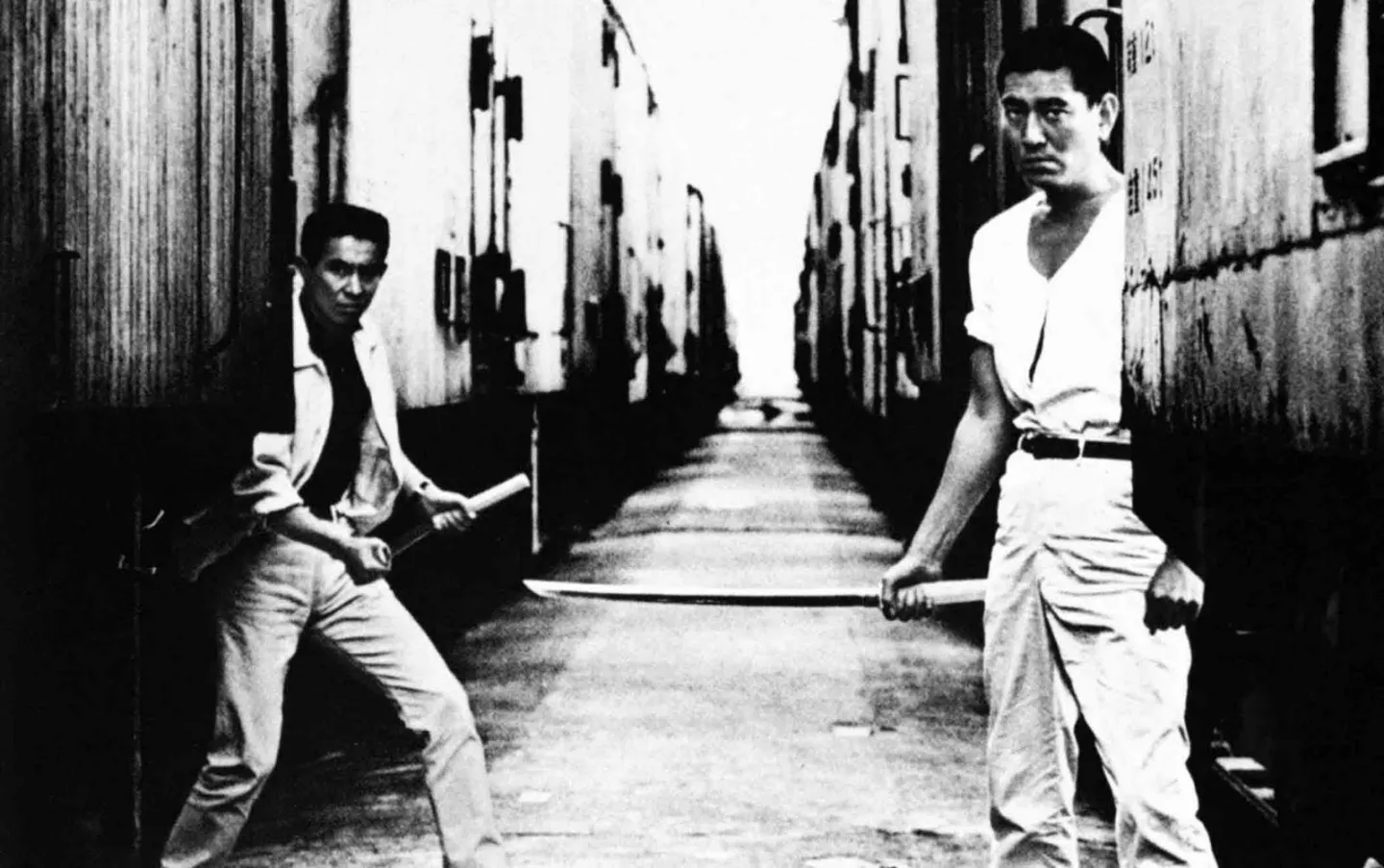
It should also be remembered that the honourable gangster was not confined exclusively to historical settings. On numerous occasions—even during the 1950s—Toei moved the plots of its gangster productions to periods contemporary with their original audiences. Attempts to change the temporal setting did not bring the studio substantial financial success, however, until 1965, when Teruo Ishii directed Abashiri Prison, starring Ken Takakura.
It was thanks to this film that Takakura moved from supporting roles to the very summit of the most popular actors in gangster cinema, and soon in Japanese cinema more generally. Ultimately, however, contemporary and more realistic gangster cinema would have to wait another decade before reaching its peak.
The reasons for the popularity of ninkyō eiga may also be sought elsewhere. Gangster cinema offered viewers an opportunity to encounter tough, honourable warriors while simultaneously satisfying their desire to watch bloody confrontations at a level of violence unavailable on television. It therefore attracted a predominantly male and generally younger audience.
Furthermore, this cinema allowed spectators to identify with the protagonist and briefly indulge in a fantasy. A large proportion of post-war youth moved from smaller towns and villages to larger cities in search of employment—which they did not always find—creating a sense of loneliness and displacement. Within this context, yakuza films offered young and frequently uprooted viewers the figure of a solitary man who, despite his low social position, preserved his dignity, remained faithful to his own code and ultimately dispensed justice to opponents who were both more powerful and more corrupt than himself.
Who, however, was responsible for the success of ninkyō eiga? What happened when honourable gangsters ceased to interest audiences? And who attempted to compete with Toei? Answers to these and many other questions will be provided in the second part of the article.
(1) A type of Japanese pipe.
(2) In Japan, Kinuyo Tanaka was primarily an immensely popular actress. In the West, she is associated above all with the films of Kenji Mizoguchi, whose friendship with her was placed under considerable strain when he opposed her attempt to become a director. Her Nikkatsu production The Moon Has Risen (Tsuki wa noborinu, 1955) was not free from controversy either: the other studios objected to its production. Tanaka was also unable to cast the actors she had chosen for the leading roles, as they were under contract to Shochiku, which was attempting to prevent the film from being made. The situation reached the point at which Yasujirō Ozu—one of the greatest figures in Japanese cinema and a co-screenwriter of The Moon Has Risen—threatened to terminate his contract with Shochiku.
(3) In the simplest possible terms, yakuza eiga is a broad designation for films about Japanese gangsters. Ninkyō eiga is its romantic and honour-based variant, which dominated during the 1960s. Jitsuroku eiga, which developed in the 1970s, rejected this romanticisation in favour of a more brutal, quasi-documentary portrayal of crime.
(4) At least during the 1950s. Following the shock and tragedies of the war and post-war period, some noble gangsters in jidaigeki settings would perform very well at the box office, as demonstrated by the Zatoichi series.
(5) In 1967, for example, Toei produced fifty-five films, thirty-seven of which were ninkyō productions.
(6) This was, of course, not a characteristic exclusive to ninkyō eiga, but also appeared in chanbara films, among others. Within the Japanese action-film tradition, the male hero was generally expected to remain sexually pure and—unlike the protagonists of American action cinema, for example—not become involved in romances sufficiently intense to result in sexual intimacy.

Author of “Panorama of Hong Kong and Taiwan Cinema”, a lover of Asian cinema, action films, and space voyages aboard the starship Enterprise. He once studied Polish philology, and later became a citizen of the NSK State in Time. He has published in Kinomisja, Ekrany, Kultura Liberalna, Torii, Dwutygodnik Kulturalny, and others.