The Hong Kong film industry periodically reminds itself that the true strength of its action cinema lies in unrestrained physicality. In 1949 Wu Pang offered “real” kung-fu to audiences tired of fantasy films. In 1965 the Shaw Brothers studio, at the instigation of Chang Cheh, launched a trend of introducing previously unseen levels of brutality and realism into wuxia films and later into kung-fu as well. In 2025 Bill Kong — producer of Crouching Tiger, Hidden Dragon, Hero, and House of Flying Daggers — concluded that contemporary Hong Kong martial arts cinema should abandon digital special effects and focus on genuine physicality, hand-to-hand combat, real falls, and stunt work performed with the minimum involvement of doubles. At roughly the same time as Yuen Woo-Ping decided to respond to the loss of weight in contemporary wuxia spectacles with Blades of the Guardians, Bill Kong assembled a team whose task was to restore physicality within the framework of brutal, contemporary action cinema continuing the traditions popularized by the Indonesian Merantau, The Raid, and The Raid 2: Berandal.
The Furious should, however, be described not so much as a Hong Kong production as a pan-Asian project whose heart beats in Hong Kong. The film’s director is Japanese filmmaker Kenji Tanigaki, closely associated with the Donnie Yen school and with action cinema both from Hong Kong (including Kill Zone and Raging Fire) and from Japan (including the Rurouni Kenshin series). Tanigaki is a fan of classic Jackie Chan kung-fu films, but also a student of disciplines including shorinji kempo, karate, and gymnastics. The recent hit Twilight of the Warriors: Walled In served as a major testament to his choreographic abilities. In the context of that film, the Japanese director compared his work to “conducting an orchestra,” while describing the realization of The Furious as “unplugged music” — pointing to less stylization and greater groundedness and rawness. The production is one hundred percent direct in its action sequences, and the story it tells is driven not by psychology but by mounting anger and the titular fury. The original Chinese title translates literally as “fire covers the eyes,” a Cantonese idiom meaning to act under the influence of anger or to be blinded by rage — a phrase that perfectly captures the state of virtually every character who appears in the film.
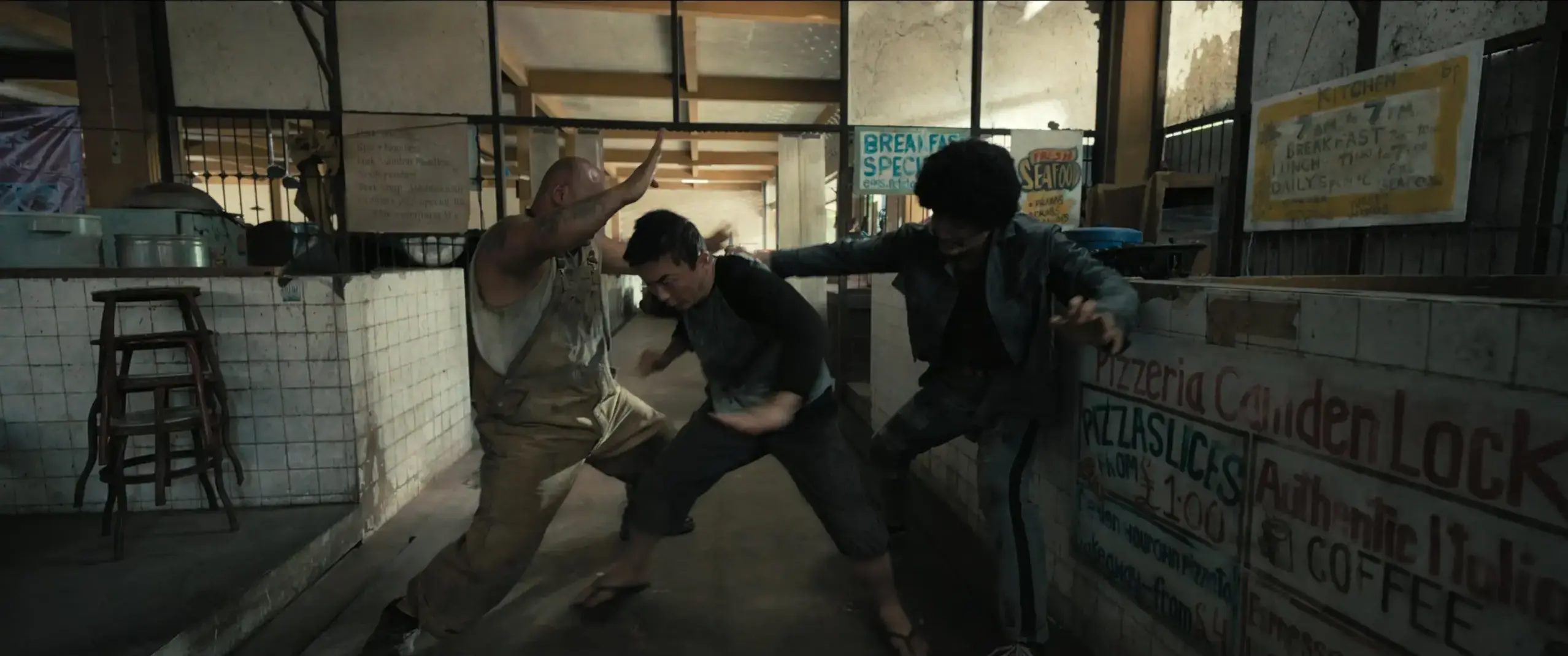
Tanigaki has said in interviews that his approach to presenting action sequences functions better in tight spaces than in open areas. He has also noted that a viewer does not necessarily know how much it hurts to be struck by a weapon, but does know how much it hurts to hit the corner of a table — and therefore prefers to use ordinary objects and spatial constraints, which he considers more effective at conveying the force of blows than abstract spectacle. The Furious is the quintessence of this method.
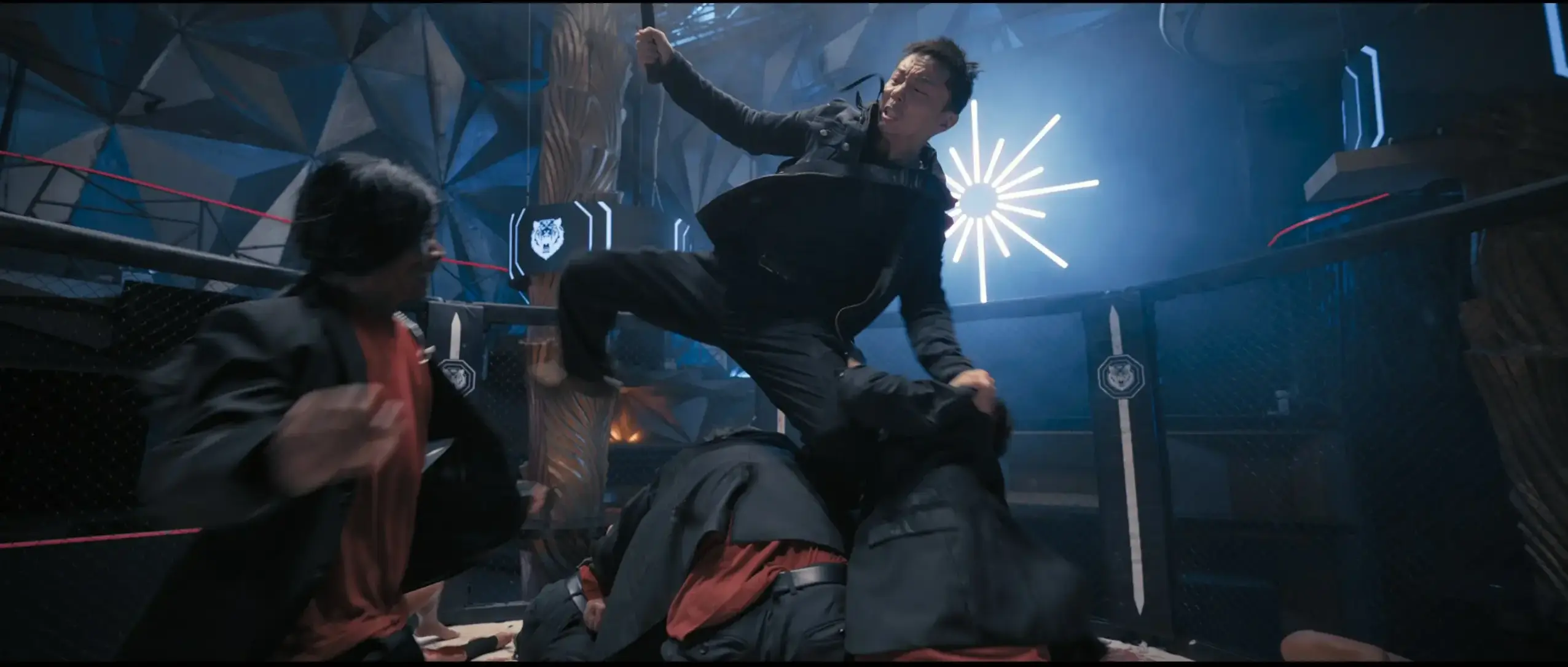
It may therefore come as something of a surprise that Tanigaki is not the principal fight choreographer. Focusing as a director on many aspects of filmmaking, he chose to invite Kensuke Sonomura to collaborate. Sonomura is without doubt one of the most distinctive contemporary martial arts choreographers in the world. Anyone who has watched such productions as Bad City, Ghost Killer, One Percenter, or the Baby Assassins trilogy — and especially Baby Assassins 3 — will immediately recognize his instantly identifiable style: violent chaos, close distances, lightning-fast exchanges of blows, stumbles, sudden lurches, mounting pain, and the treatment of the fighters’ bodies as tools being worn down through use. The Furious possesses the chaos, speed, and punishing physicality associated with Sonomura, yet it is not a film wholly subordinated to his idiom. Tanigaki expands his compatriot’s language, opening it up to greater scope, stronger differentiation between fighting styles, and a more Hong Kong way of thinking about the scene as a multi-person machine of movement. The result is cinema presenting different traditions of action film and martial arts, different levels of space, and a far more spectacular escalation than in any previous Sonomura film.
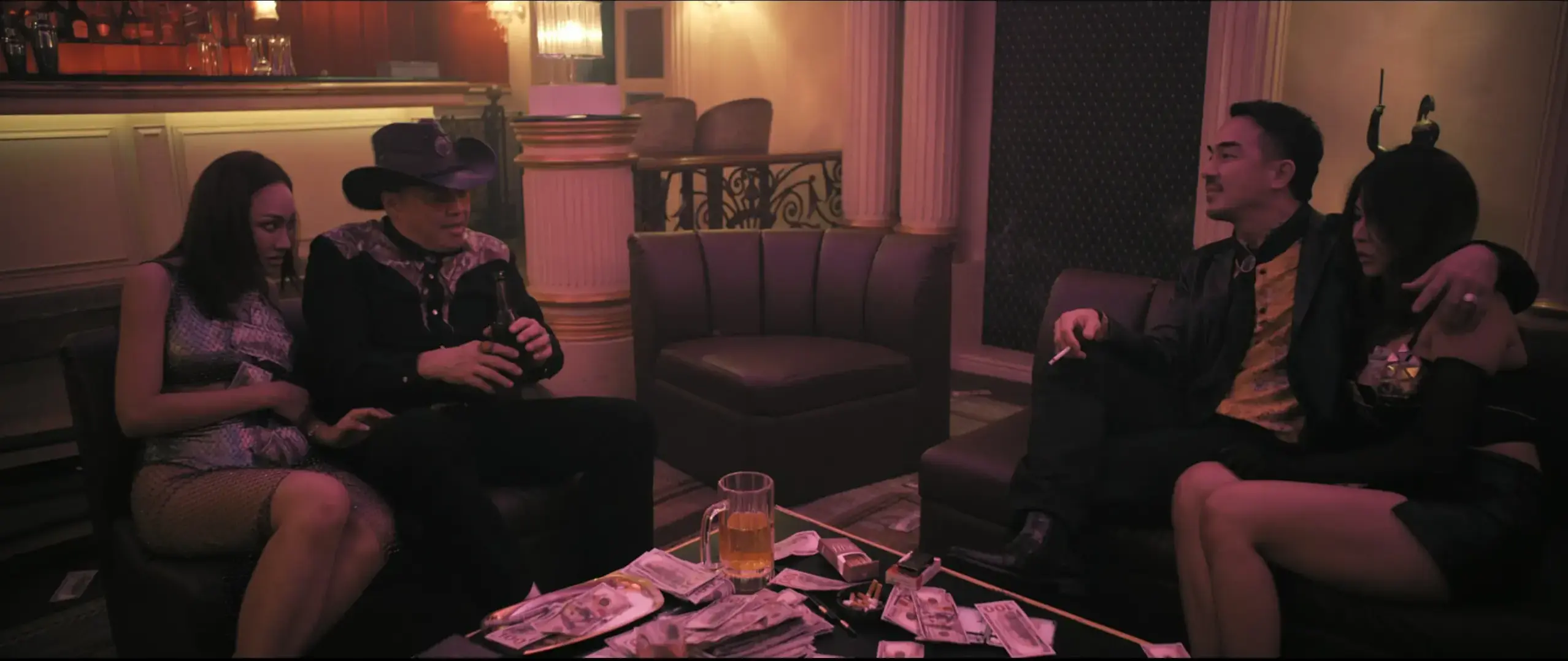
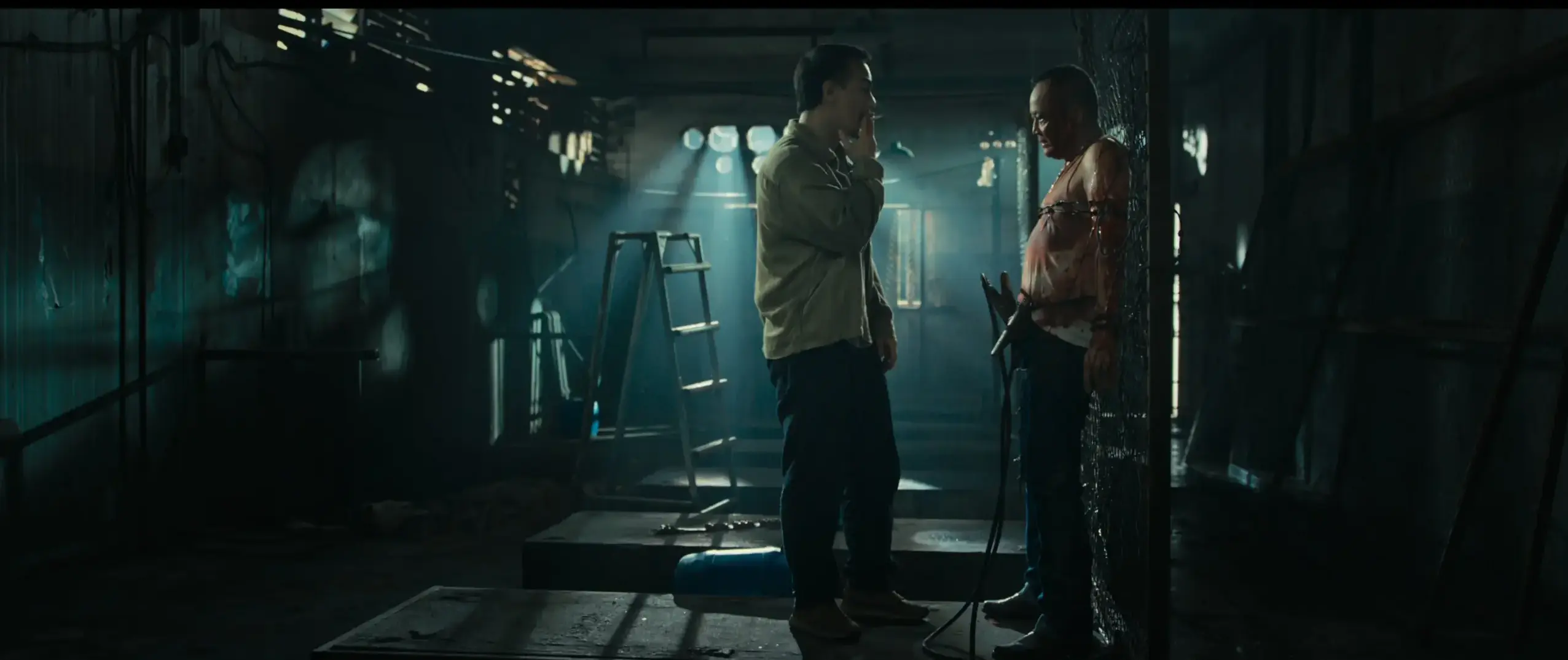
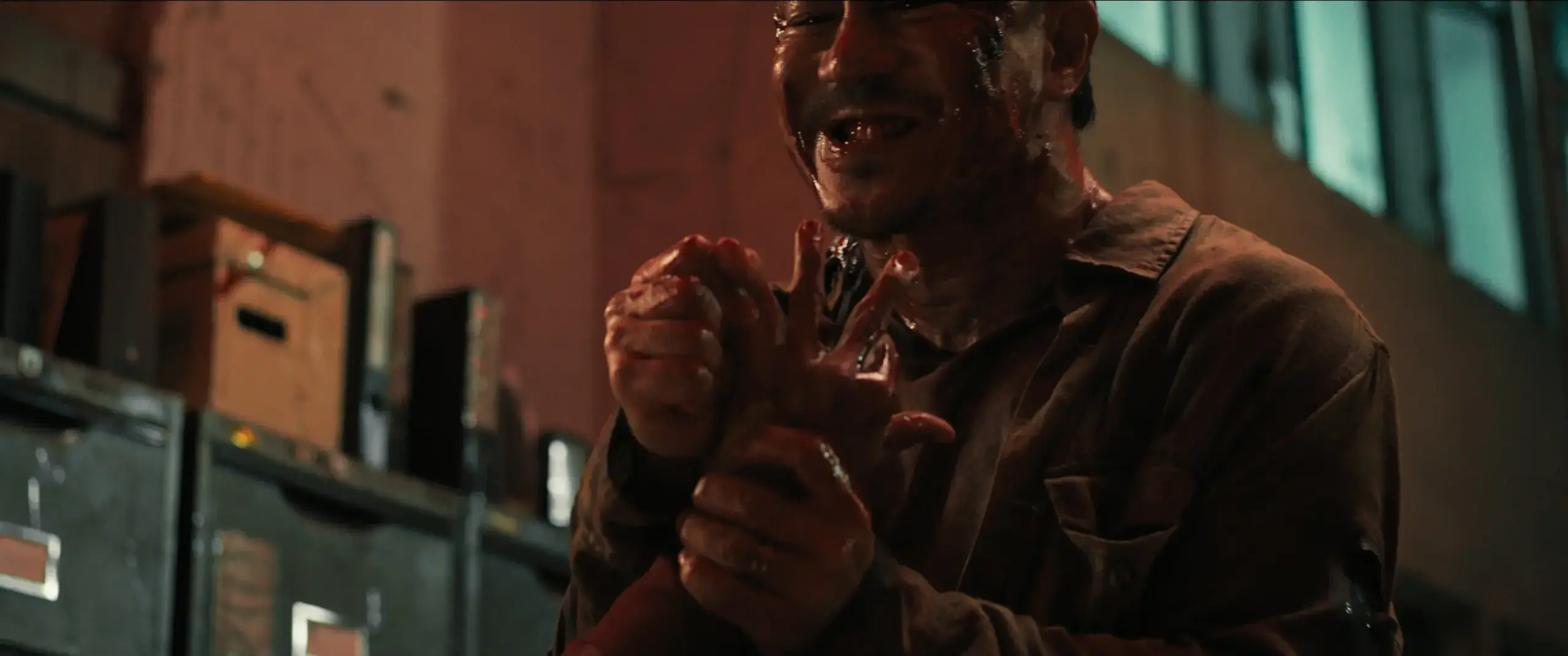
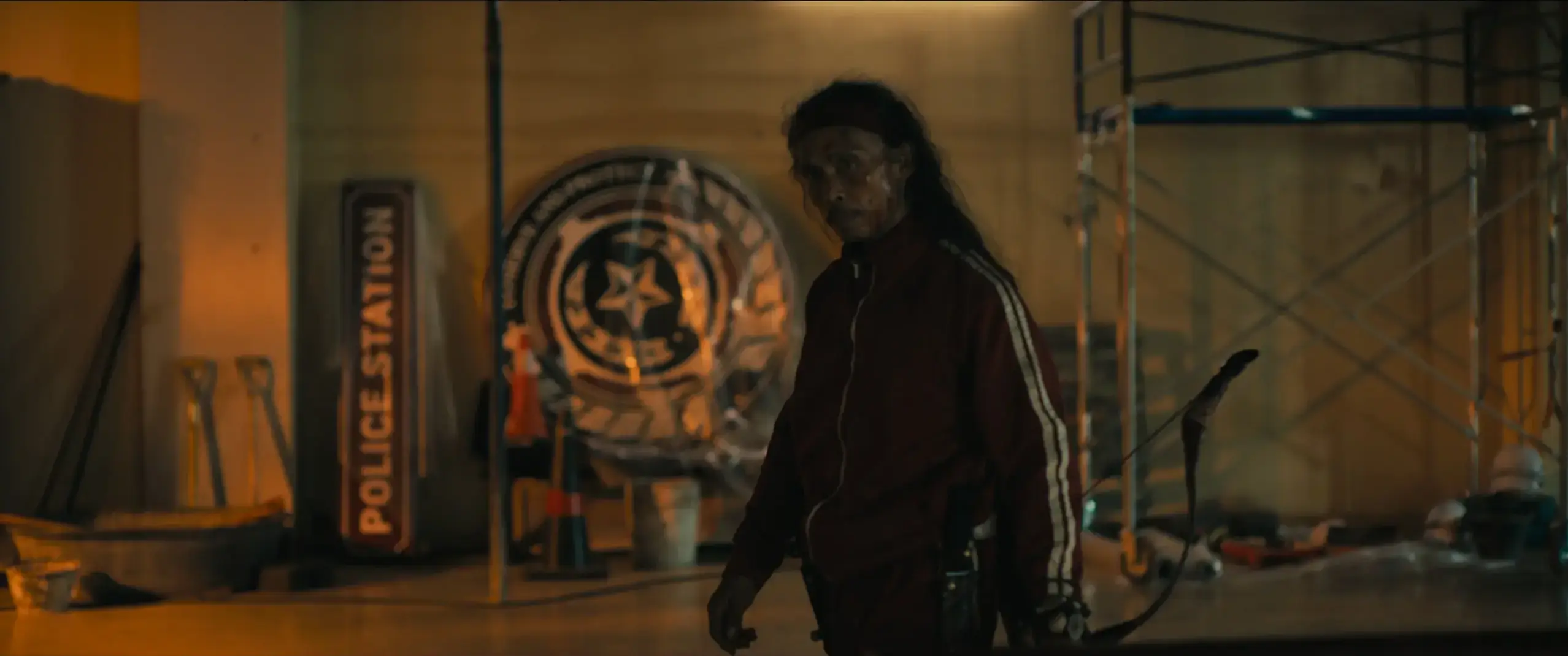
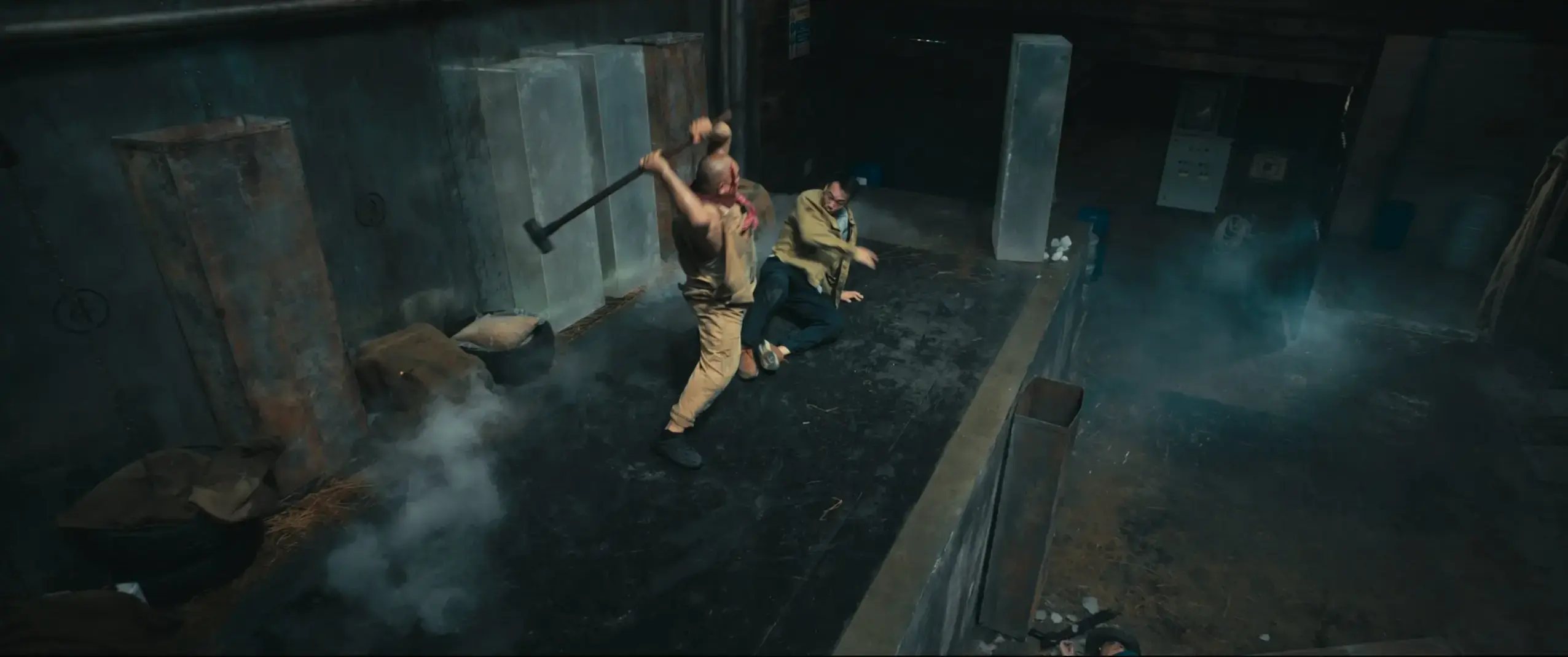
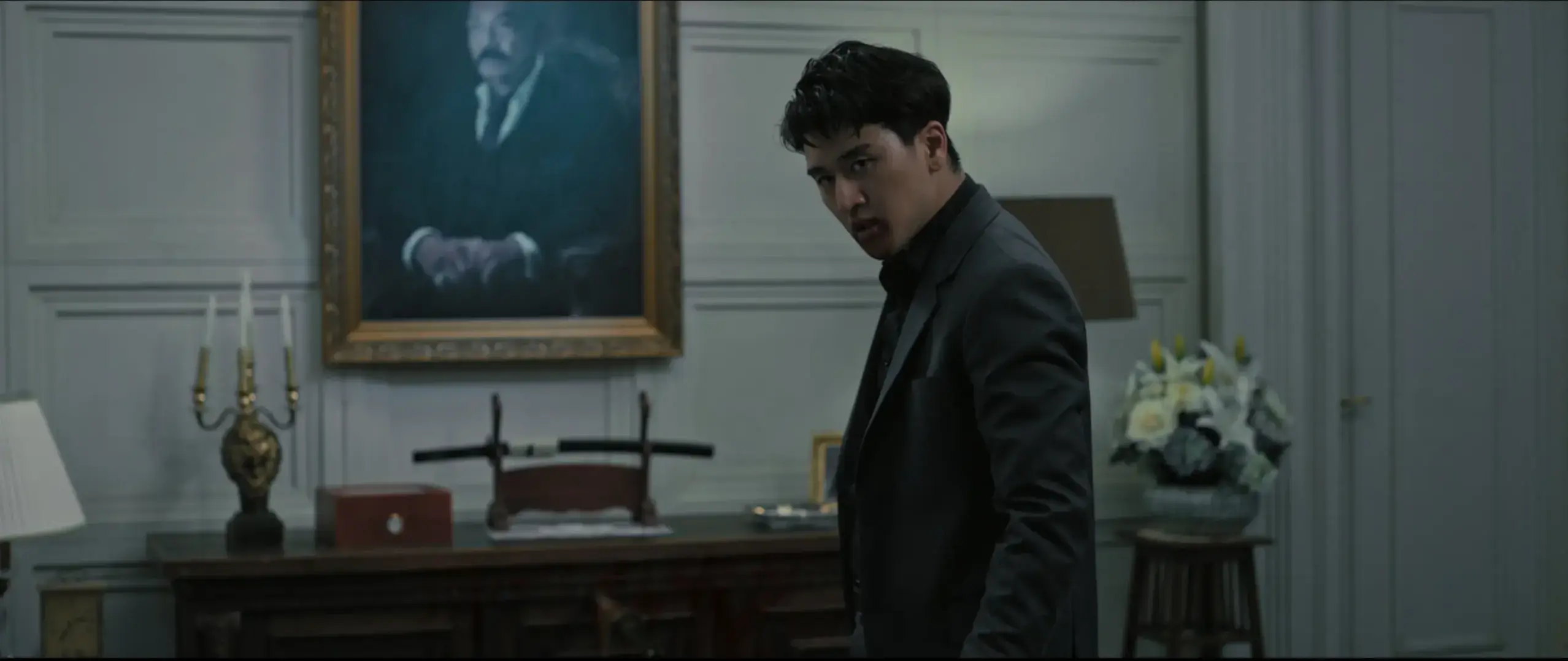
The two lead roles are played by Xie Miao and Joe Taslim. Xie is a particularly interesting figure in that most action cinema fans remember him from his childhood roles, when he twice played the son of characters portrayed by Jet Li — in The New Legend of Shaolin and My Father is a Hero. But he is now an actor in his early forties who has made a name for himself — after a long break from acting and completing his education in Shanghai — primarily through wangluo dianying, internet productions, and television series. The Furious is his first international project, and all indications suggest it will not be his last; Bill Kong has confirmed that early work on a sequel has already begun. Xie brings with him the tradition of Chinese kung-fu and wushu, though rewritten as brutal, lightning-fast action cinema that moves away from the grace and monumentality characteristic of kung-fu films. He plays Wang Wei, a mysterious man who, as the result of an old head injury, is now mute. He lives with his young daughter (Yang Enyou) in Thailand, where he does manual odd jobs. One day his child is kidnapped by human traffickers.
Cast in the second lead role, Joe Taslim is an international action cinema star. His breakthrough came with his appearance in The Raid, after which he accumulated a considerable fan base through the American series Warrior, the Korean hit The Swordsman, and his appearances in two instalments of Mortal Kombat. His most developed performances have, however, until now been largely confined to Indonesian films, such as The Night Comes for Us. Unlike other celebrated action film actors from Indonesia — such as Iko Uwais and Yayan Ruhian, practitioners of the local martial art of pencak silat — Taslim comes from a judo background; he was even a national champion in the discipline. He has also been valued in his homeland for roles in dramas and romantic comedies, which demonstrates that his abilities extend well beyond those of most actors associated exclusively with action cinema. In The Furious he plays Navin, a journalist investigating child abductions in Thailand while also searching for his missing wife (JeeJa Yanin), who had previously been conducting her own journalistic investigation into the same case.
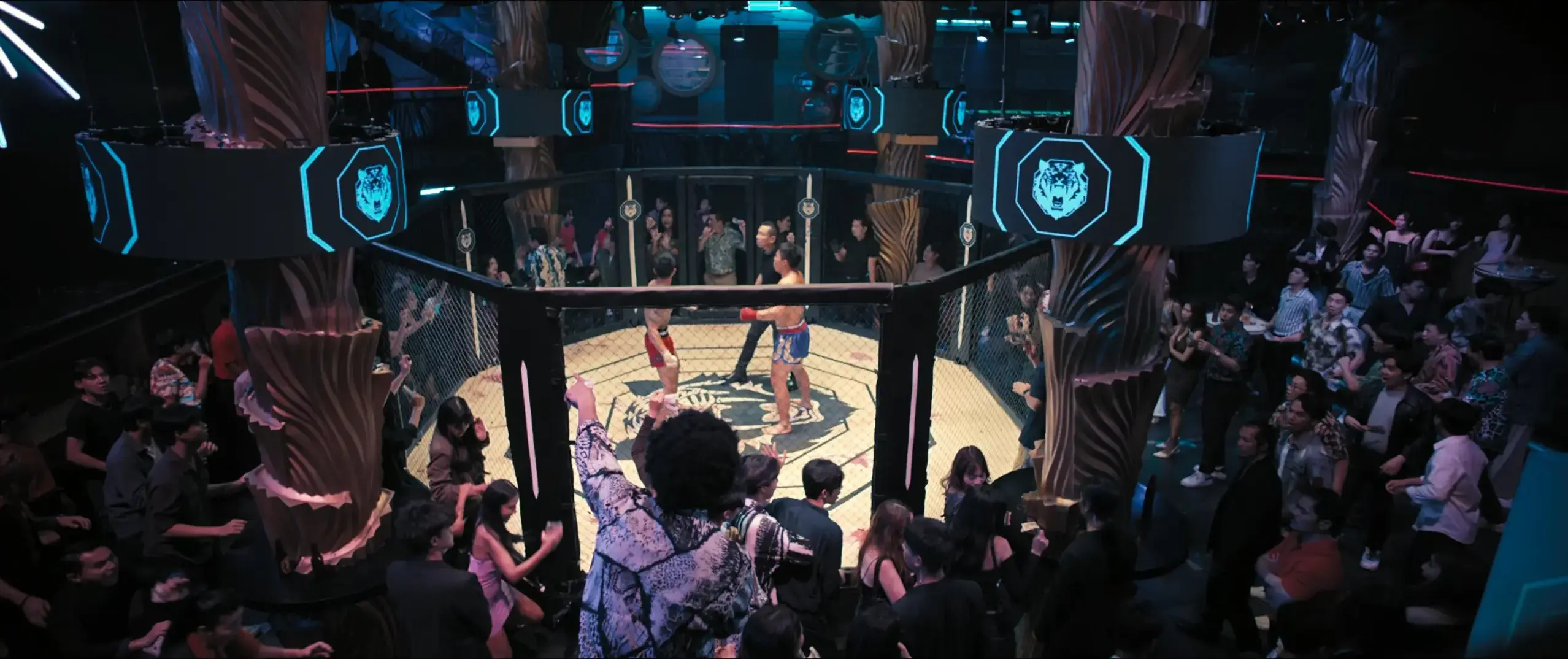
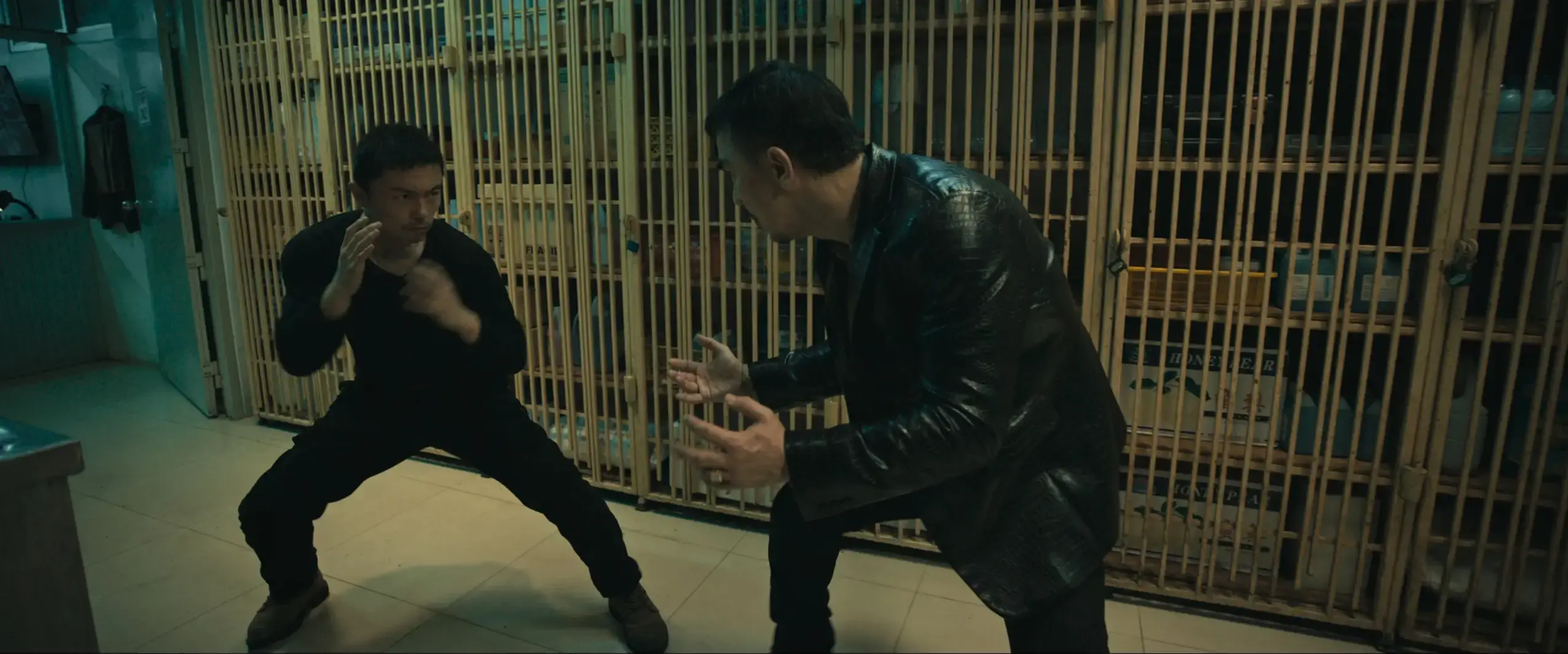
Although both play positive characters, in the tradition of martial arts cinema they inevitably find themselves in a brief duel. This sequence beautifully illustrates the differences in their styles: mobility, strikes, and changing of distance in Xie’s case, and clinches, throws, and closing of distance in Taslim’s — to say nothing of the entirely different stances they adopt before combat. This aspect of contrasting styles and physicalities continues across all the main characters. Brian Le, known from the YouTube channel Kung Fu Syndicate and possessing considerable stunt experience, presents powerful, heavy blows combined with acrobatics. Joey Iwanaga — known from Japanese action cinema — displays above all elaborate footwork somewhere at the intersection of taekwondo, karate, and kickboxing. Yayan Ruhian brings extensive experience in pencak silat, but here is also a master of the bow and arrow. JeeJa Yanin, the Thai actress known among other things from the martial arts film Chocolate, appears briefly in a small role, bringing her muay thai background with her.
In Chinese mainland cinema, foreign adversaries are often subordinated to the logic of national triumph. The Furious, as a more pan-Asian production, is less interested in showing “our hero defeating foreigners” and more in a shared spectacle of different fighting schools. This does not mean the film is ideologically deep, but its narrative is less nationalistic and more collaborative in spirit. The production is in a sense the result of a pan-Asian dream team collaboration, bringing together talent from Hong Kong, Japan, Indonesia, and Thailand on both sides of the camera. The only slight regret is that JeeJa Yanin appears so briefly — but perhaps the announced sequel will give greater screen time to its female characters.
If I were to identify any weaknesses in the film, I would have to criticize the occasional addition of computer-generated blood to wounds caused by blades or arrows. This happens only very rarely, fortunately, but digital splatter looks, as always, highly unrealistic. Low-quality CGI was also employed in a car accident scene and in the destruction of a large sheet of ice, though its use in these two cases is more understandable. The computer effects have no impact on the fight sequences themselves, however. The most significant criticism must be directed at the narrative. Although the film clearly strives throughout to return to its thematic heart — parental love — and to condemn the practice of child abduction and trafficking, there is no denying that the story presented in The Furious amounts to little more than a thin thread connecting one action sequence to the next.
Although the production is narratively extremely simplified and in its final acts verges on the caricatural, it allows the viewer to assess and feel the characters through the fight scenes. I mentioned earlier the specific stances that the actors adopt before combat. This is one of many gestures that transforms a straightforward fight into a surprisingly readable presentation of character. The viewer frequently knows, even before a blow is struck, who is fast and furious, who will be closing the distance, and who is cold and precise. In other words, the identity of the characters often reveals itself in the posture of their bodies.
Ultimately, then, The Furious is not a well-written film — but it is superbly choreographed in terms of its action sequences. Where the screenplay falls short, Tanigaki lets the blows, the falls, the tight spaces, and the contrasting fighting styles do the talking. It is cinema that can be criticized for treating its narrative as a mere pretext — but there is no denying that this pretext leads to some of the most impressive martial arts sequences of recent years.
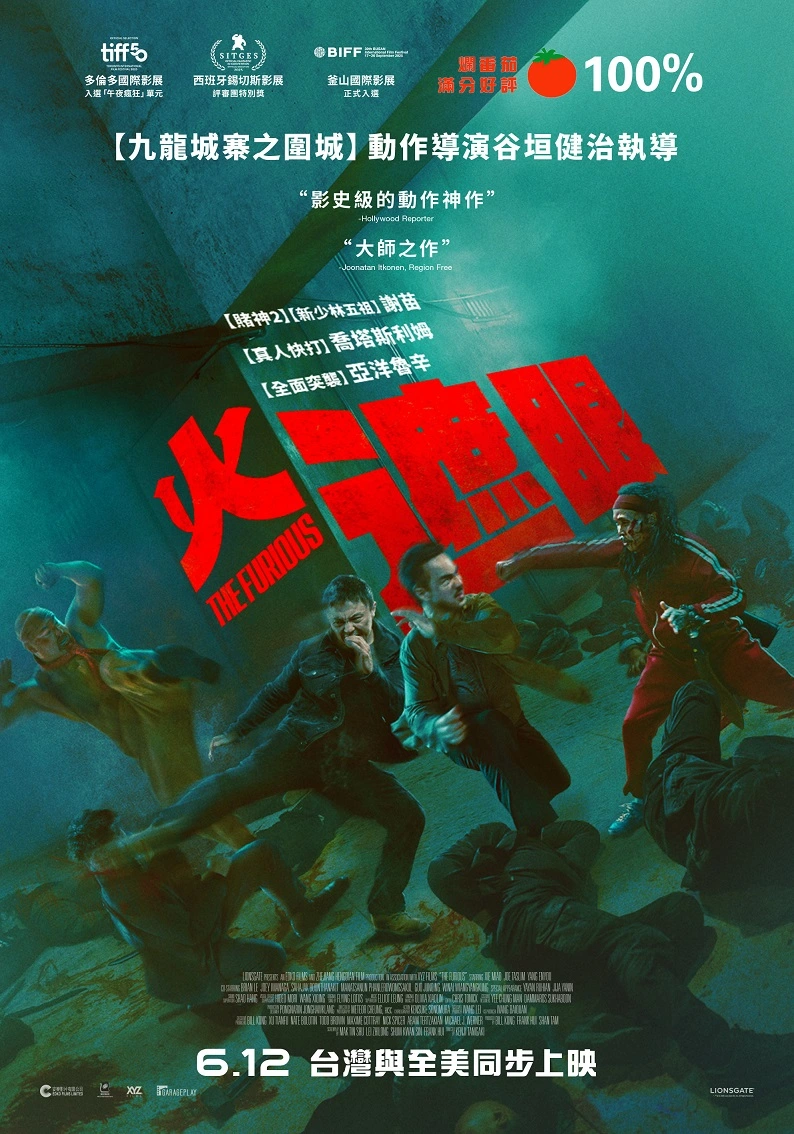
The Furious
Huǒ zhē yǎn
Direction: Kenji Tanigaki
Written by: Shum Kwan-Sin, Frank Hui, Mak Tin-Shu, Lei Zhilong
Cinematography: Meteor Cheung
Music: Olivia Xiaolin
Action choreography: Kensuke Sonomura
Asst. director: Phattana Sansumran
Studio: Edko Films, XYZ Films, Zhejiang Hengdian Film Production
Premiere: 06.09.2025
Cast: Xie Miao, Joe Taslim, Yang Enyou, Brian Le, Joey Iwanaga, Yayan Ruhian, JeeJa Yanin, Sahajak Boonthanakit, Manatsanun Panlertwongskul, Kittiphoom Wongpentak
Author of “Panorama of Hong Kong and Taiwan Cinema”, a lover of Asian cinema, action films, and space voyages aboard the starship Enterprise. He once studied Polish philology, and later became a citizen of the NSK State in Time. He has published in Kinomisja, Ekrany, Kultura Liberalna, Torii, Dwutygodnik Kulturalny, and others.