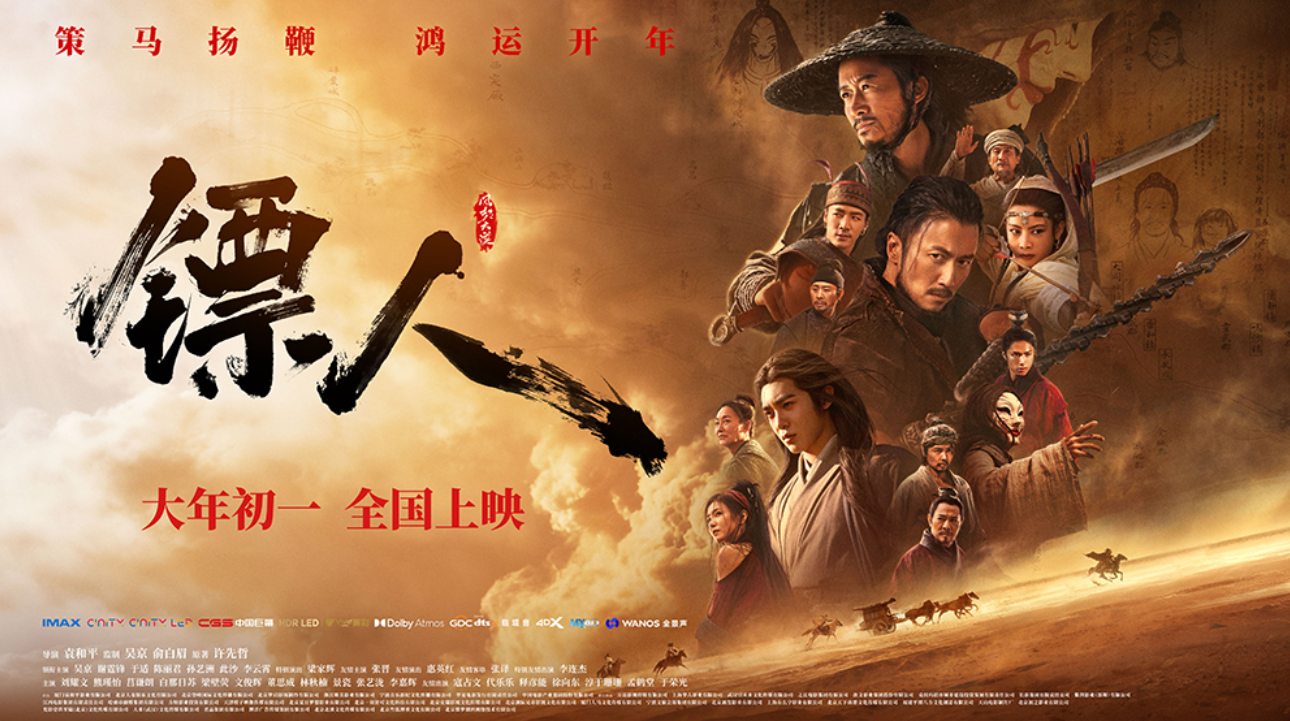
Wuxia cinema has formed one of the cornerstones of Hong Kong — and earlier, when The Burning of the Red Lotus Temple arrived on screen in 1928, also Shanghai — filmmaking almost from its very beginnings. Even when kung-fu films came to dominate in the 1970s and beyond, wuxia could boast numerous worthwhile entries. At the end of the 1990s and the beginning of the 2000s the genre made a forceful entry onto the international stage thanks to productions by Ang Lee and Yimou Zhang. In recent years, however, Chinese cinema had relatively little to offer in the wuxia arena. Even the legendary Yuen Woo-Ping seemed a shadow of his former self. Until 2026, when his latest wuxia film arrived in cinemas: Blades of the Guardians, which demonstrated that the genre is not only far from dead but still capable of recapturing its former energy.
The film is an adaptation of a popular manhua by Xu Xianzhe. Its original Chinese title, biao ren, refers to people who make their living escorting persons or cargo while also working as bounty hunters. Biao ren are therefore naturally associated with Jianghu — the so-called World of Martial Arts. The comic’s publication began in 2015, with its action set in 607 CE, during the twilight of the Sui dynasty. It currently runs to thirteen volumes and has achieved enormous popularity in China, with editions also released in the United States, the United Kingdom, Germany, Japan, and South Korea, among others. On 1 June 2023 an animated series based on it was released, available on the Tencent Video platform.
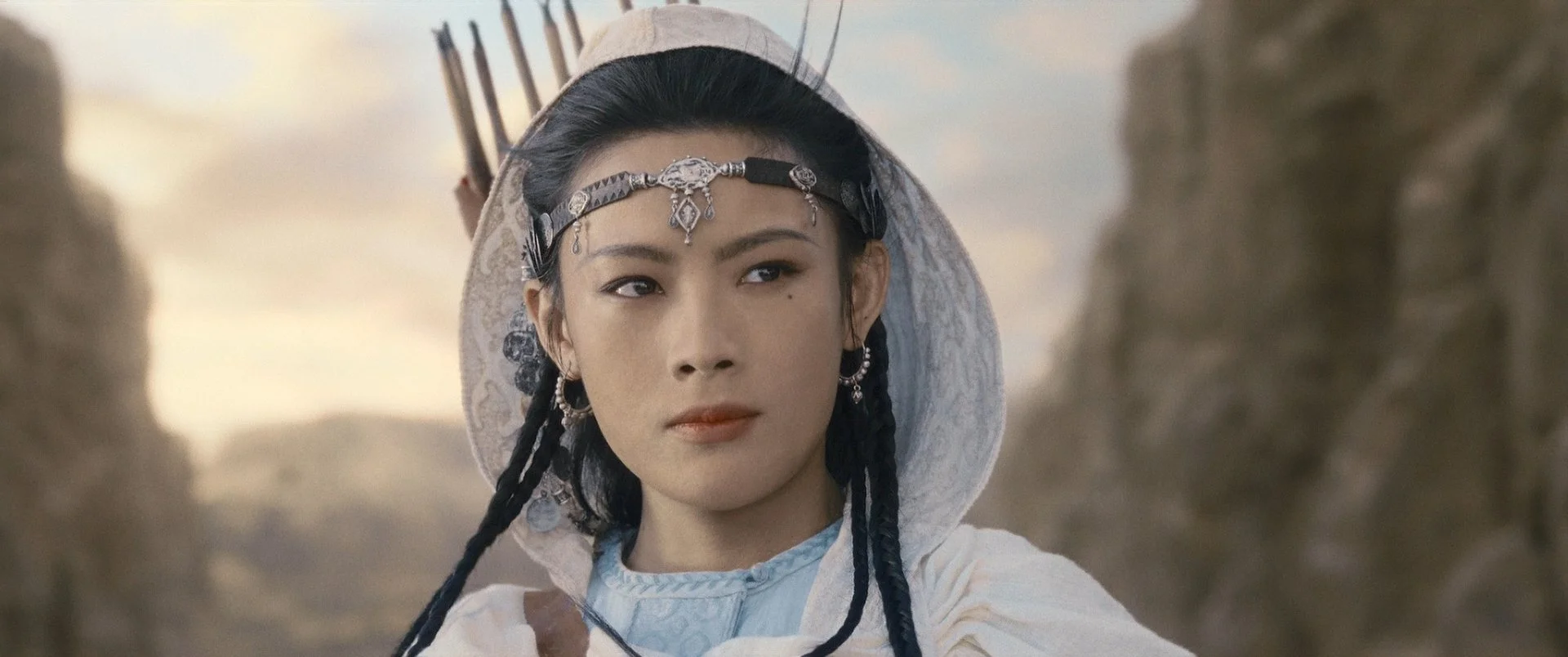
The 2026 live-action film is a loose adaptation of approximately the first five to six volumes of the manhua. Their plot has been significantly simplified, but the most important threads have been preserved, including the central narrative axis focusing on a biao ren named Dao Ma (Wu Jing), who is travelling with a young child. Himself pursued for his recent deeds, he is hired to escort the most wanted man in the country — anti-government ideologist Zhi Shilang (Sun Yizhou) — to Chang’an. It transpires, however, that Dao is also being followed by mysterious warriors connected to his past: Di Ting (Nicholas Tse) and Wei Zhi (Liang Biying).
Yuen has spoken in interviews about how the manhua was recommended to him by an acquaintance in 2019 and immediately appealed to him as a more vivid, fresher, and more accessible vision of Jianghu for younger audiences. Inspired by what he read, he decided to make a modern wuxia film that would not repeat old formulas or deliver moral lessons. The production was also intended as a response to the genre’s crisis and a demonstration that it still has much to offer a new generation. Blades of the Guardians presents itself in this context as an intergenerational wuxia bridge, offering both the genre’s familiar qualities and elements of the modern blockbuster. It touches on the classic theme of fighting against corrupt power while also emphasizing individualist ideas and the desire to support the younger generation. In terms of casting it is likewise a meeting of stars from different generations. Jet Li appears in a special role, briefly coming out of cinematic retirement to play one of the main protagonist’s adversaries. Their fight sequence — in which Max Zhang also makes a guest appearance — is one of the finest in the entire film. Tony Leung Ka-Fai and Kara Hui have also been cast in supporting roles. The contemporary stars are represented by Wu Jing, currently perhaps the most popular action cinema actor in China, and Nicholas Tse.
Among the representatives of the younger generation are Chen Lijun and Li Yunxiao, two actresses previously associated mainly with yueju opera. Chen is particularly noteworthy, bringing a background in classical xiqu musical theatre that she had to expand to encompass a more physically demanding fighting style. Their involvement continues the rich tradition of transplanting operatic ideas, techniques, and performers into martial arts cinema, present both in kung-fu classics (vide the Wong Fei-hung films produced from 1949 onwards) and in wuxia (vide the classic films of King Hu). Also worth mentioning is a special scene featuring Yuen Woo-Ping himself, Zhang Xinyan (director of the 1982 Shaolin Temple, in which Jet Li made his debut), and Wu Bin (the celebrated wushu trainer and coach of, among others, Jet Li and Wu Jing). This scene featuring these legends of martial arts cinema — who between them are over 260 years old — underscores the continuity of the wuxia film tradition and expresses hope that a new generation will continue it.
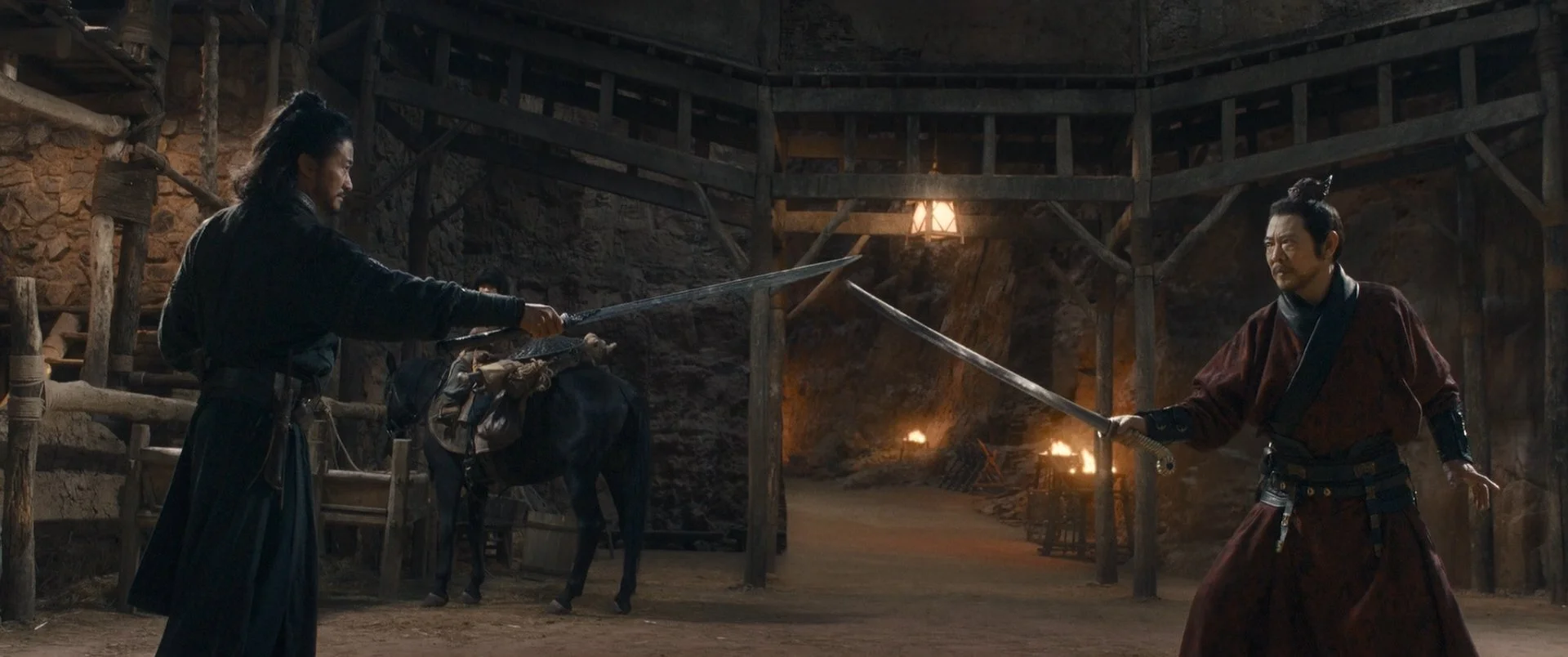
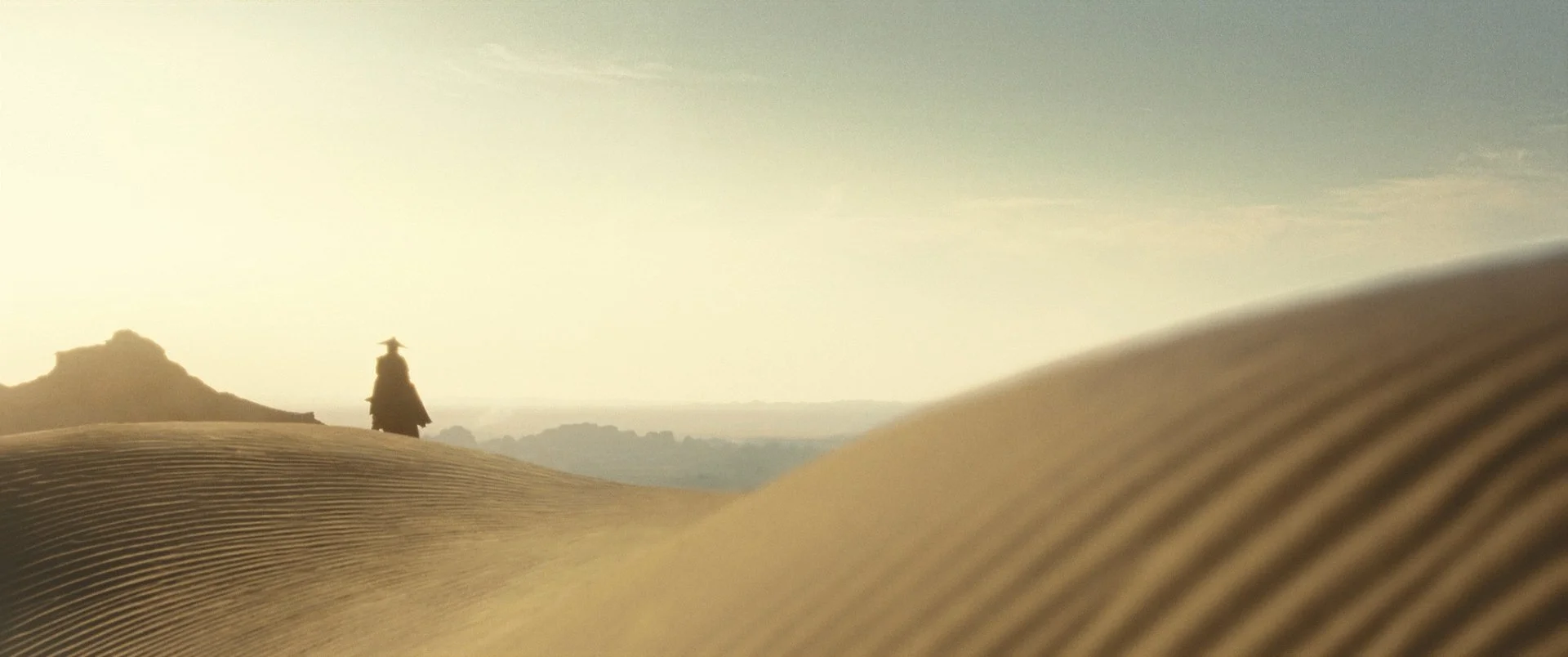
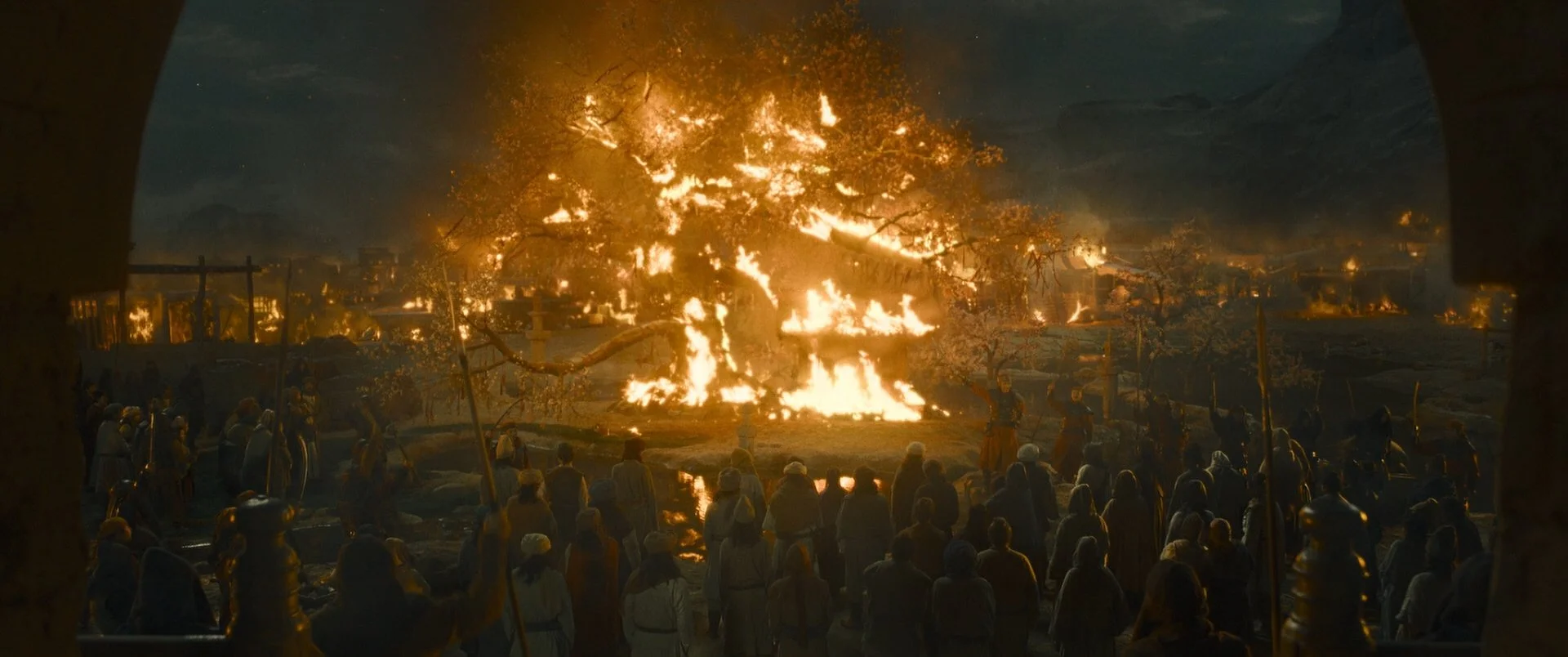
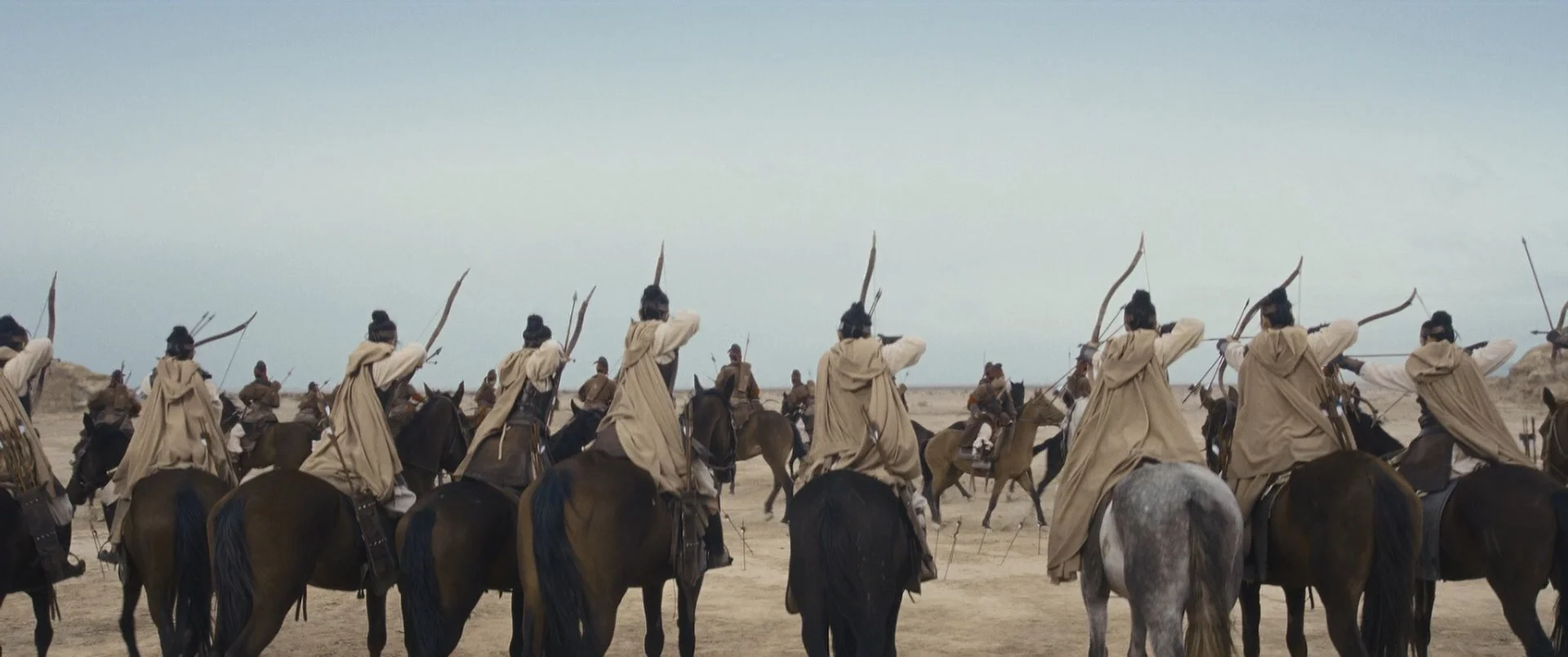
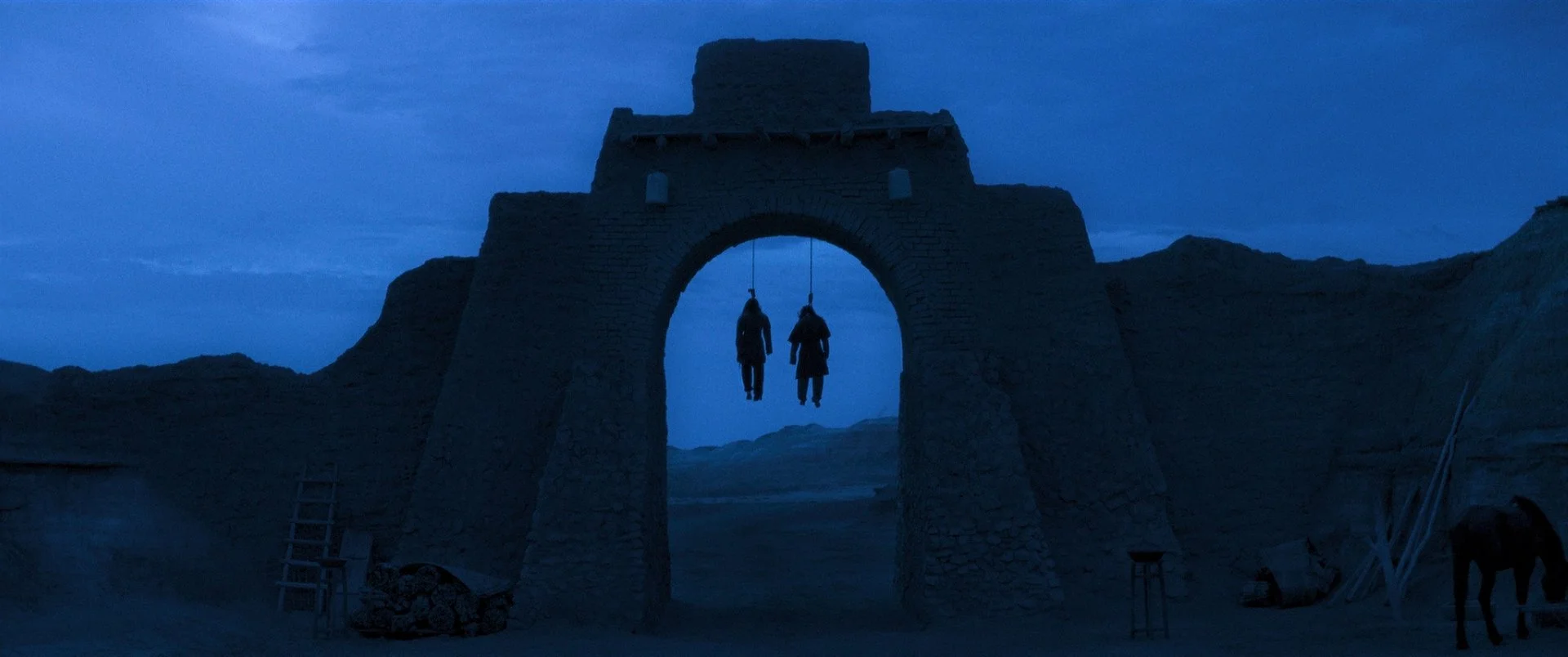
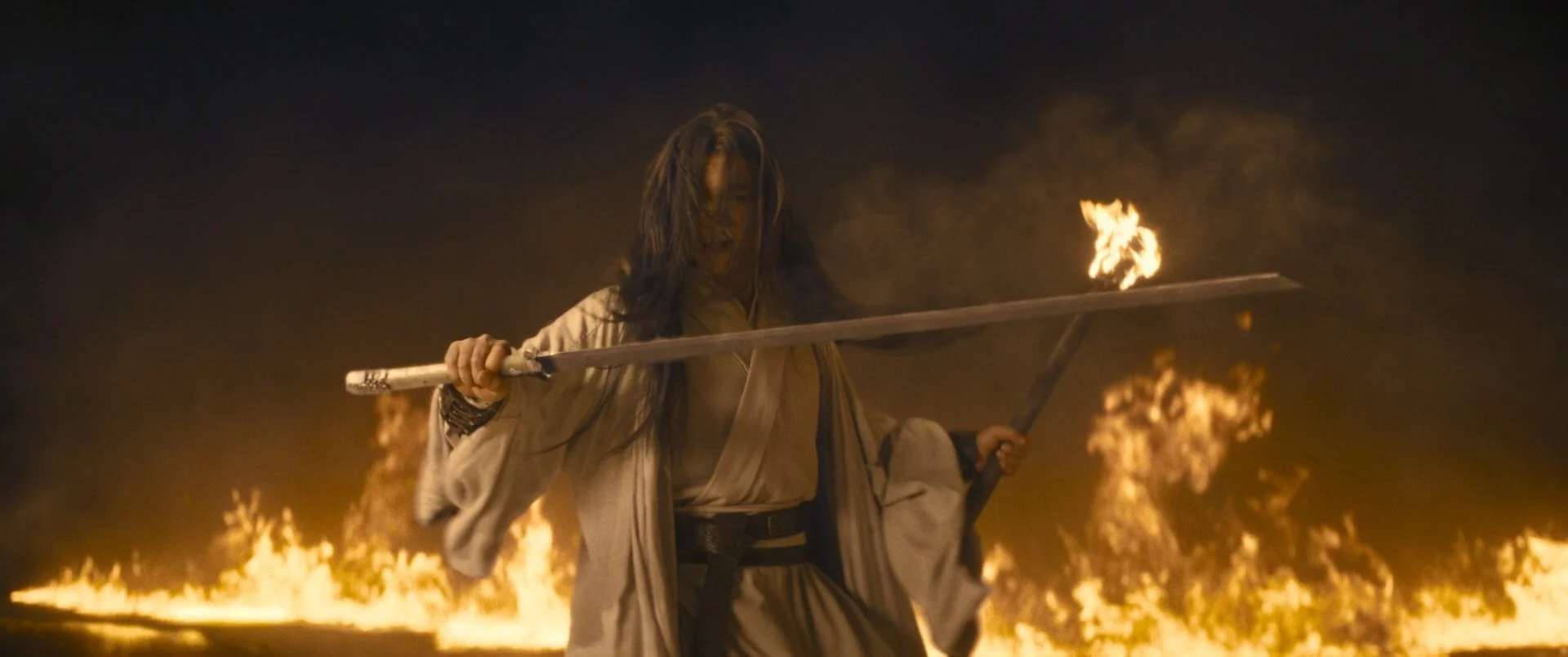
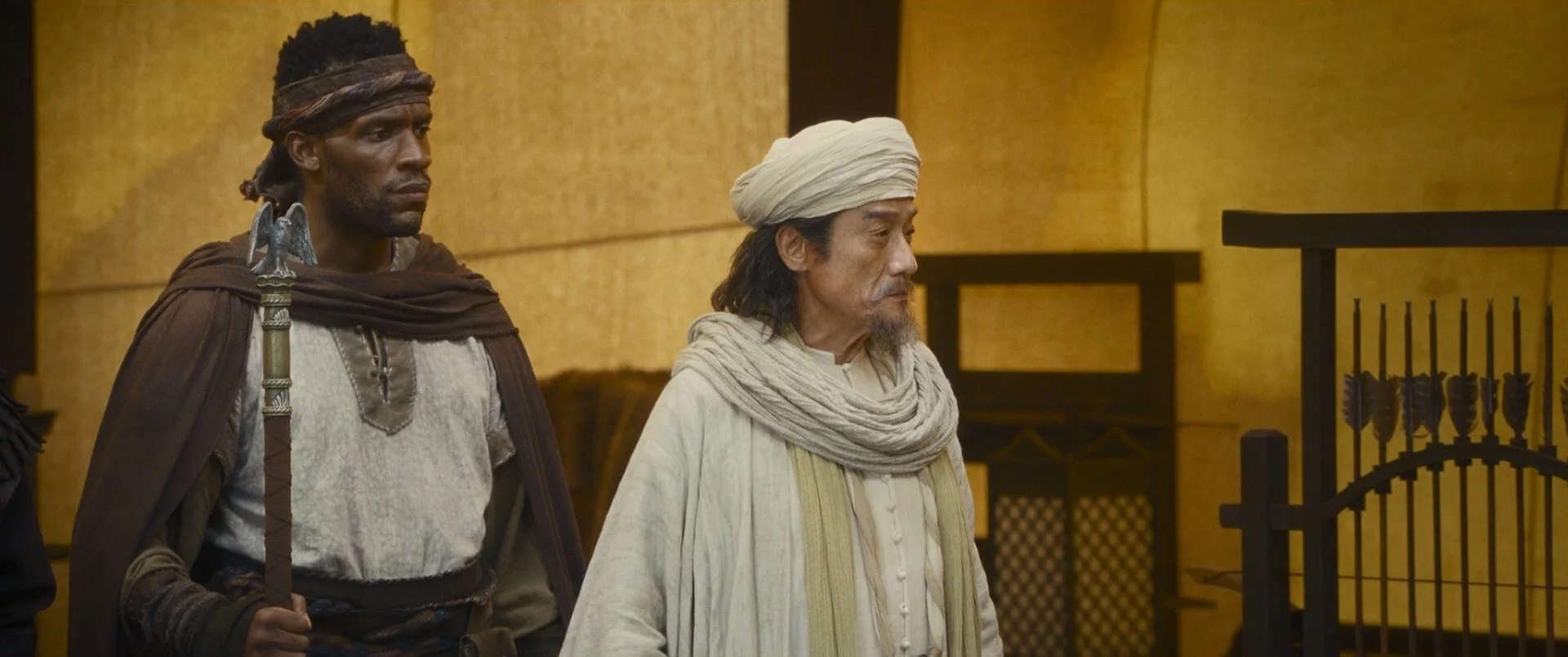
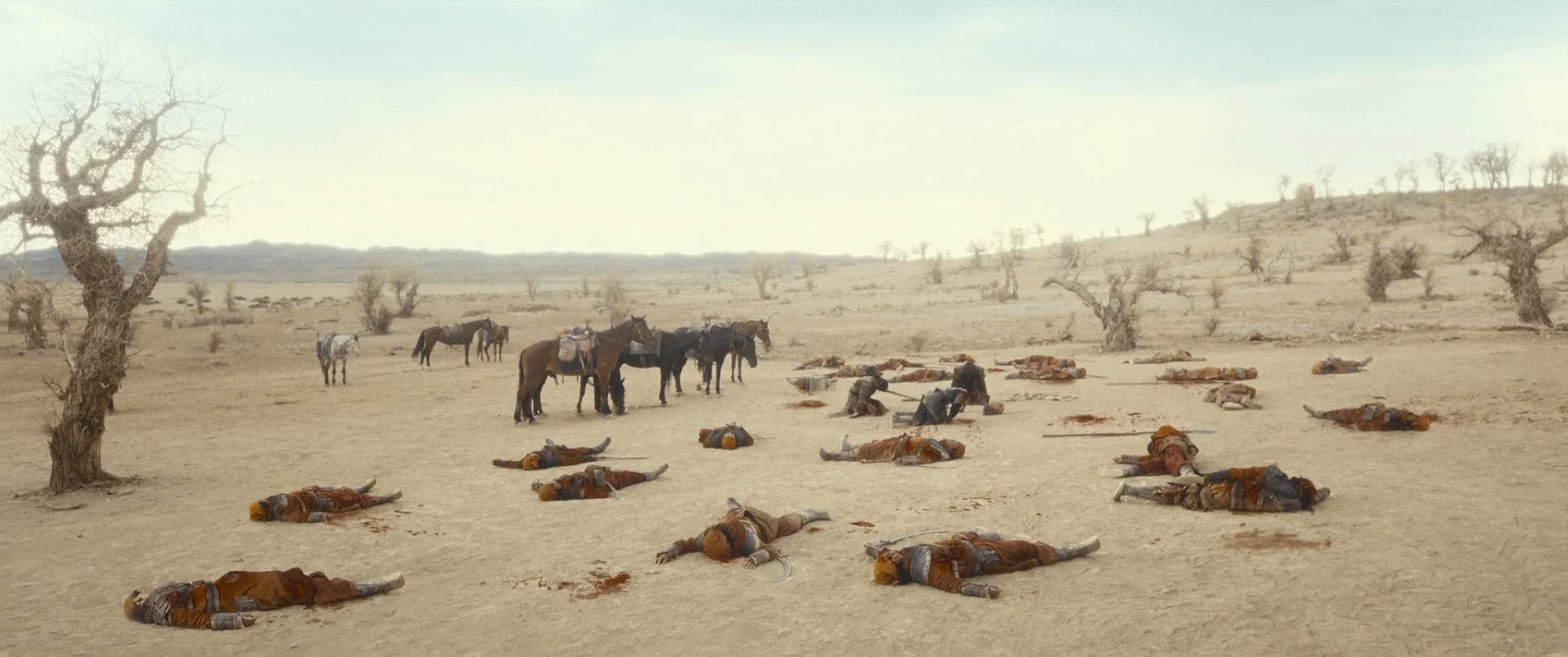
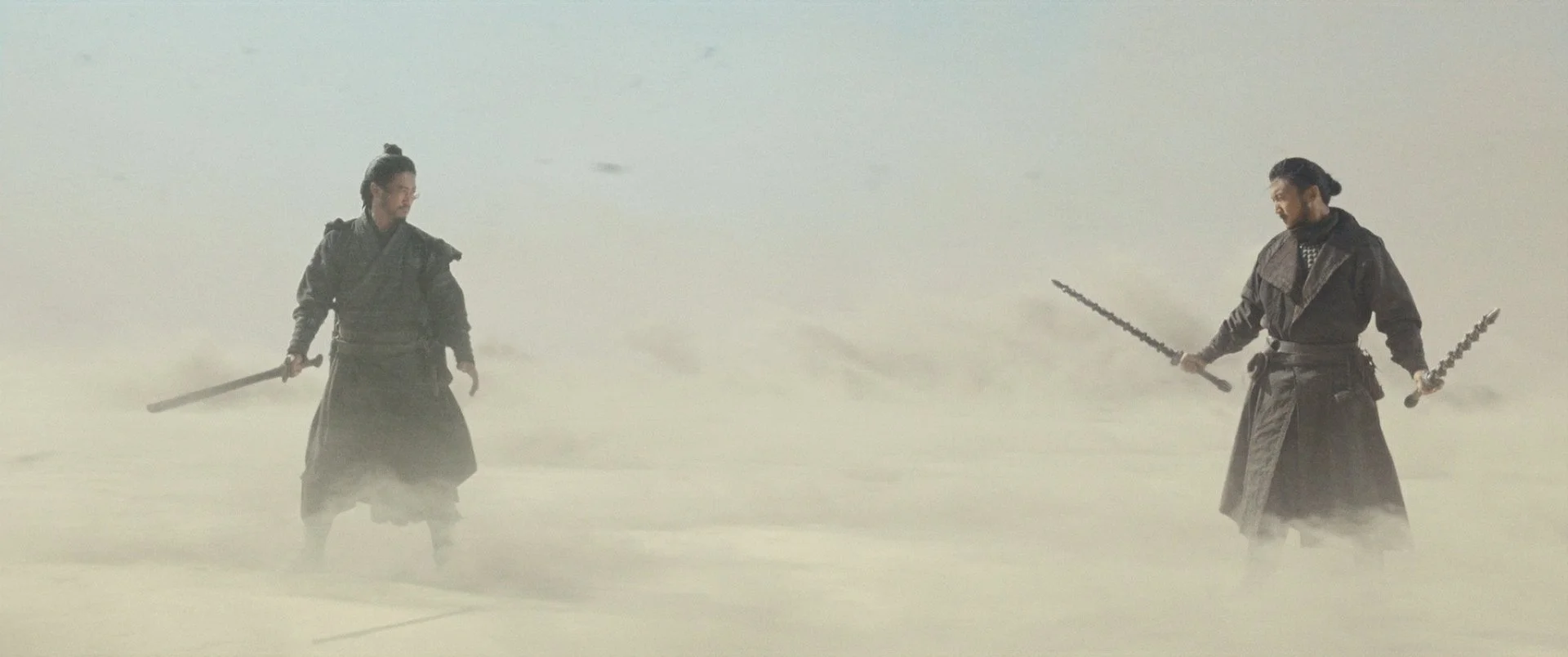
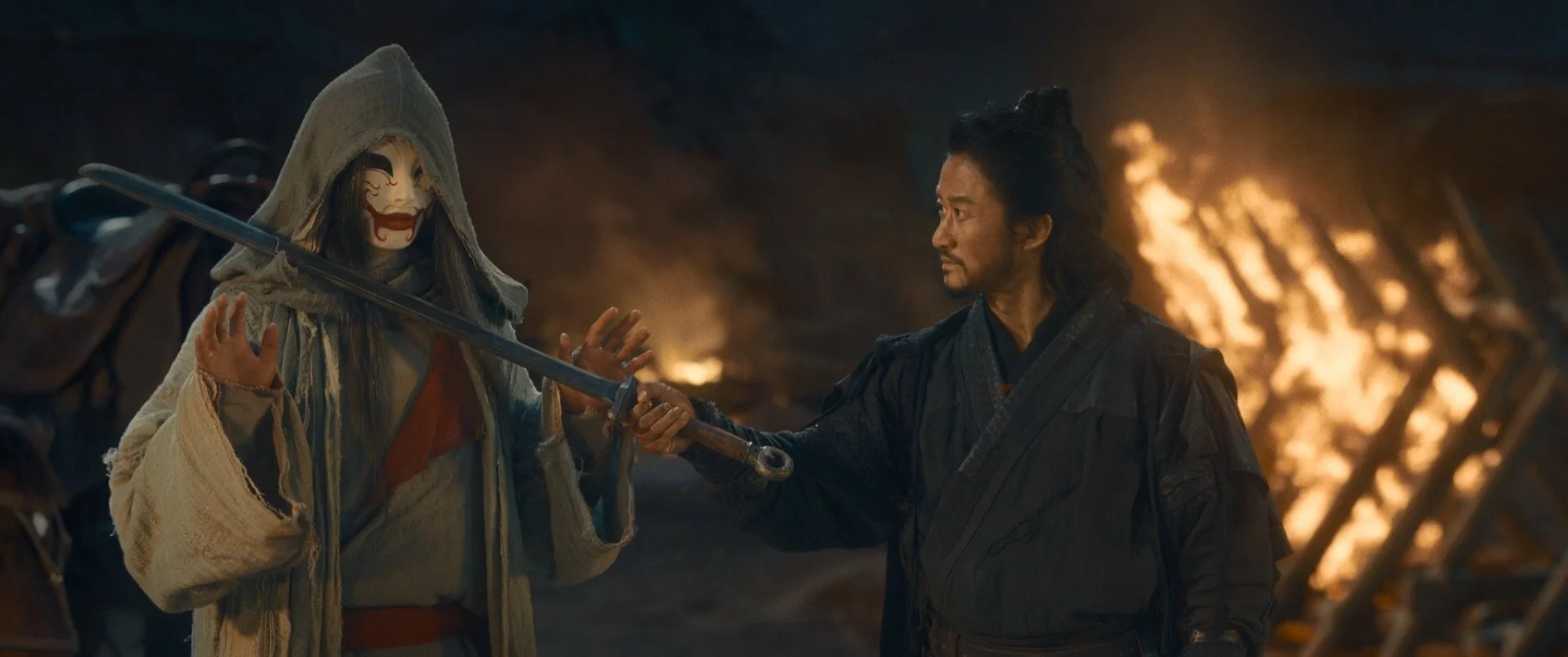
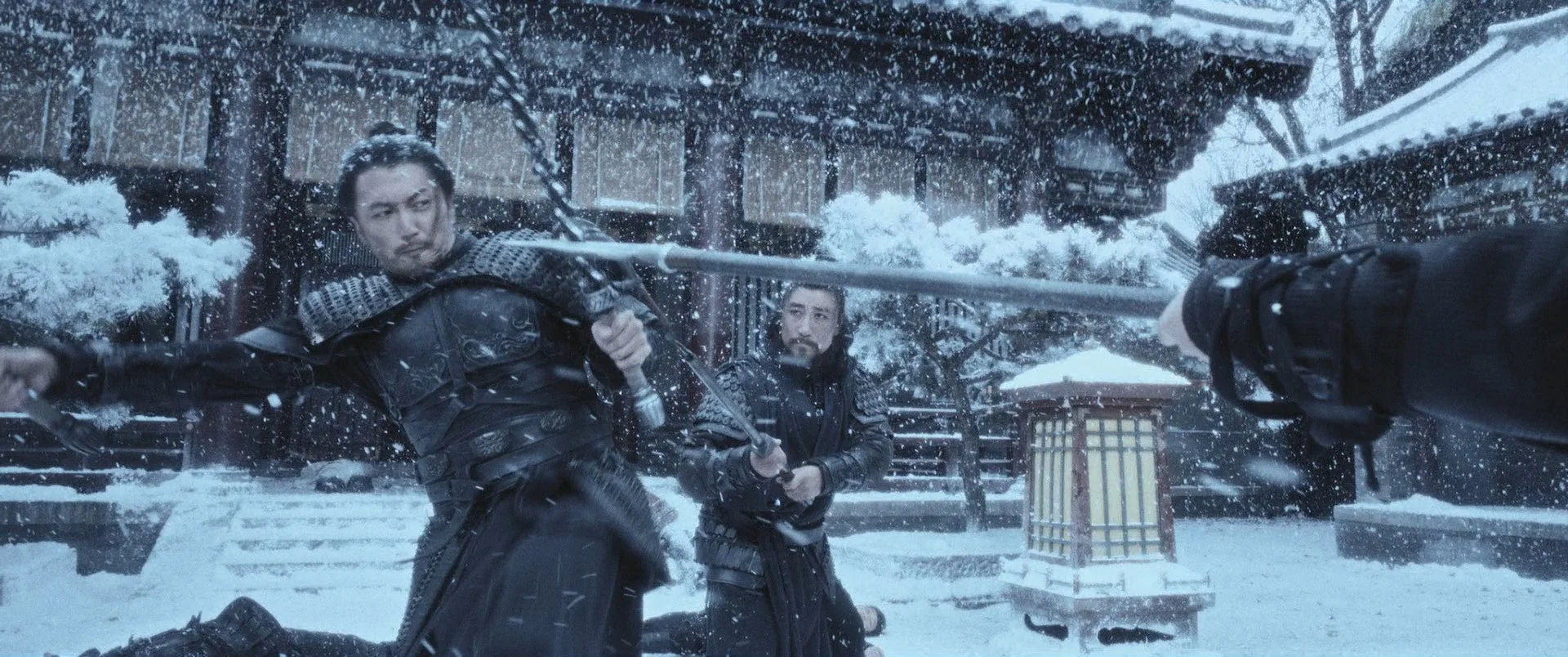
Undoubtedly the greatest attraction of Blades of the Guardians is its action sequences. Although the opening sequence leaves something to be desired — causing me to fear for a moment that I was in for another poorly edited action production — the second one elevated the film to the heights of wuxia choreography. The film presents an entire spectrum of warriors of varying degrees of power, resulting in a considerable number of diverse martial arts scenes. In these, Yuen distances himself from an excess of CGI and editing tricks, returning to the corporeal essence of the genre. The shots are legible, the choreographies elaborate, and the actors themselves perform the majority of the acrobatic and stunt work. I should add that since the main action takes place in a desert setting, and one of the largest sequences unfolds during a great sandstorm, Blades of the Guardians is occasionally reminiscent of George Miller’s Mad Max: Fury Road (2015). Miller and Yuen are, incidentally, of a similar age — eighty-one and eighty respectively.
I cannot resist at this point offering stronger praise for Yuen’s action scenes. While in recent years many Chinese costume spectacles have been tilting ever more strongly towards xianxia and fantasy — overloaded with digital effects, weightless bodies, and combat devoid of physicality — Blades of the Guardians returns to dust, metal, horses, wounds, blood, and legible movement. The film draws on physical fighting, real locations, and keeps computer-generated effects firmly in check. I would not draw too strong a comparison to the new school of wuxia (wuxia xinpai) — which exploded in Hong Kong in 1965 thanks to filmmakers such as Chang Cheh — but it is undeniable that Yuen steers more decisively than many contemporary filmmakers towards the dustier, more brutal, and more physical ethos of Jianghu. At the same time he rewrites it as a modern blockbuster, drawing on numerous technological innovations and featuring both male and female characters of importance and agency.
Although the film might be said to promote individualism ideologically, it does so less in the typically Western sense than in the context of classical xia ethics. According to these, a person may — and should — act according to their own moral code, even if this means conflict with the prevailing authorities, commands, and so on. This must, however, be done with the common good rather than private interest in mind. Blades of the Guardians also raises ideas of supporting the young in their dreams and not burdening them with the weight of their parents’ transgressions, as well as offering a critique of arranged marriages and an expression of support for the private choice of one’s partner.
The production’s weaknesses include narrative simplifications, minor dramaturgical stumbles, and the fact that the antagonist most frequently present on screen — Heyi Xuan (Ci Sha) — is a rather embarrassing character who inspires little fear or gravitas. The pace of the narration, the cinematography, the choreography, and the production design are, however, so accomplished that the viewer — and particularly the viewer who comes to watch rich wuxia cinema — should not ultimately feel let down by the story. Yuen attempts to compensate for the dramaturgical problems and Xuan’s weakness as an antagonist through the strong connection between Dao Ma, Di Ting, and Wei Zhi. As a result, although the character played by Nicholas Tse appears infrequently, he grows into a major threat, and by focusing the finale on the duel between him and Dao, the film avoids disappointing the viewer and delivers a highly satisfying conclusion.
Blades of the Guardians is not a great dramaturgical achievement, but it can without exaggeration be regarded as one of the most compelling contemporary wuxia spectacles. It reminds us that this genre does not rest on digital fantasy but on the body, the rhythm of combat, space, moral code, and the conflict between the individual and the violence of the world. Yuen Woo-Ping restores to wuxia a weight that so many contemporary costume spectacles so often lack.
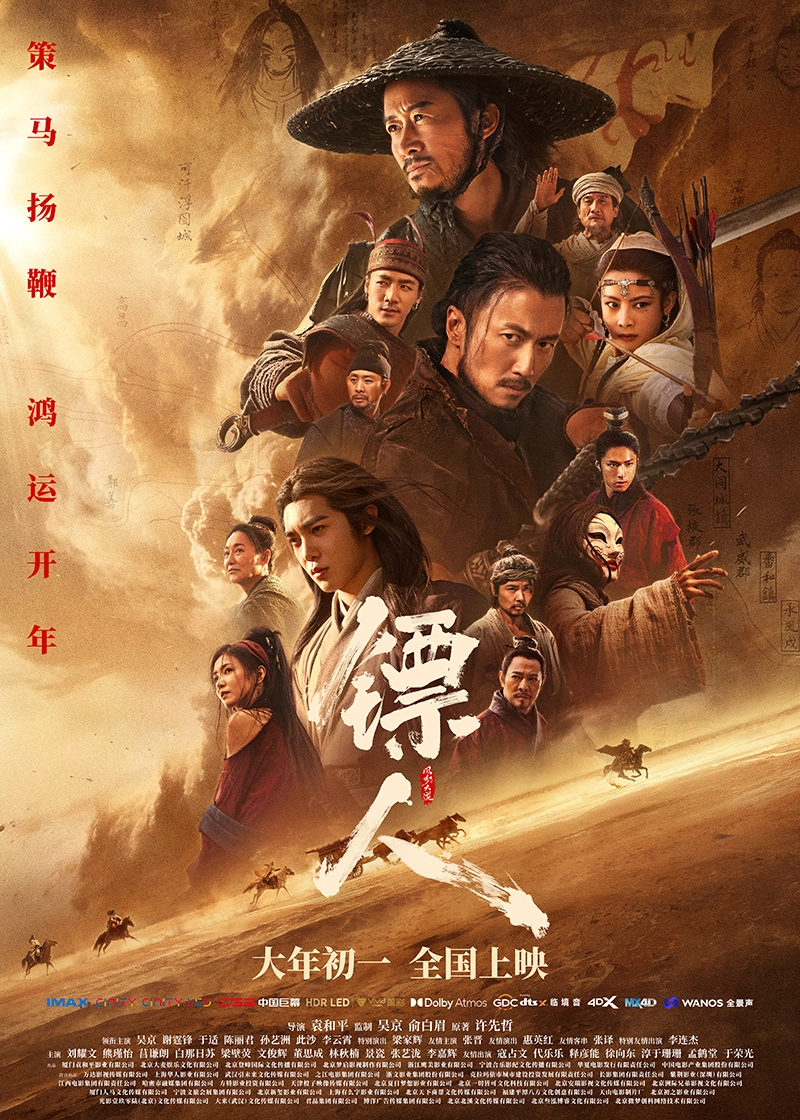
Blades of the Guardians aka Blades of the Guardians: Wind Rises in the Desert
Biāo rén: Fēng qǐ dàmò
Direction: Yuen Woo-Ping
Written by: Su Chaobin, Larry Yang, Yu Baimei, Chan Tai-Lee
Cinematography: Zhang Linke (some sources also claim Tony Cheung Tung-Leung)
Music: Muye Yu, Wai Lap Wu; songs: Jackson Wang
Action choreography: Gu Xuanzhao
Studio: Alibaba Pictures Group, DF Pictures, Damai Entertainment, Peace Film Production Co., Huaxia Film Distribution, China Film Group Corporation
Premiere: 17.02.2026
Cast: Wu Jing, Nicholas Tse Ting-Fung, Chen Lijun, Yu Shi, Sun Yizhou, Li Yunxiao, Ju Qianlang, Ci Sha, Tony Leung Ka-fai, Max Zhang, Jet Li, Kara Hui Ying-Hung
Awards:
– Movie Channel Media Attention Unit: best film, best supporting actor – Yu Shi, best supporting actress – Li Yunxiao;
– Hundred Flowers: best acting debut – Chen Lijun

Author of “Panorama of Hong Kong and Taiwan Cinema”, a lover of Asian cinema, action films, and space voyages aboard the starship Enterprise. He once studied Polish philology, and later became a citizen of the NSK State in Time. He has published in Kinomisja, Ekrany, Kultura Liberalna, Torii, Dwutygodnik Kulturalny, and others.