Should They Marry?
aka Spoiling the Wedding Day
(Wù jiā qī; lit. The Missed Auspicious Date or The Delayed Wedding)
Directors: Zhu Shilin, Bai Shen
Screenplay: Lu Yu
Cinematography: Cao Jinyun
Music: Li Houxiang, Ye Chunzhi
Asst. director: no info
Studio: Longma (Dragon-Horse)
Premiere: 05.08.1951
Genre: Romance, drama, comedy
Cast: Han Fei, Li Li-Hua, Jiang Ming, Lan Qing, Liu Lian, Li Ciyu and others.
Should They Marry?—regarded as one of the canonical titles of early Mandarin-language Hong Kong cinema—was made within the generic framework of a romantic comedy-drama, but also contains explicit socio-political commentary and a distinctly left-wing outlook.
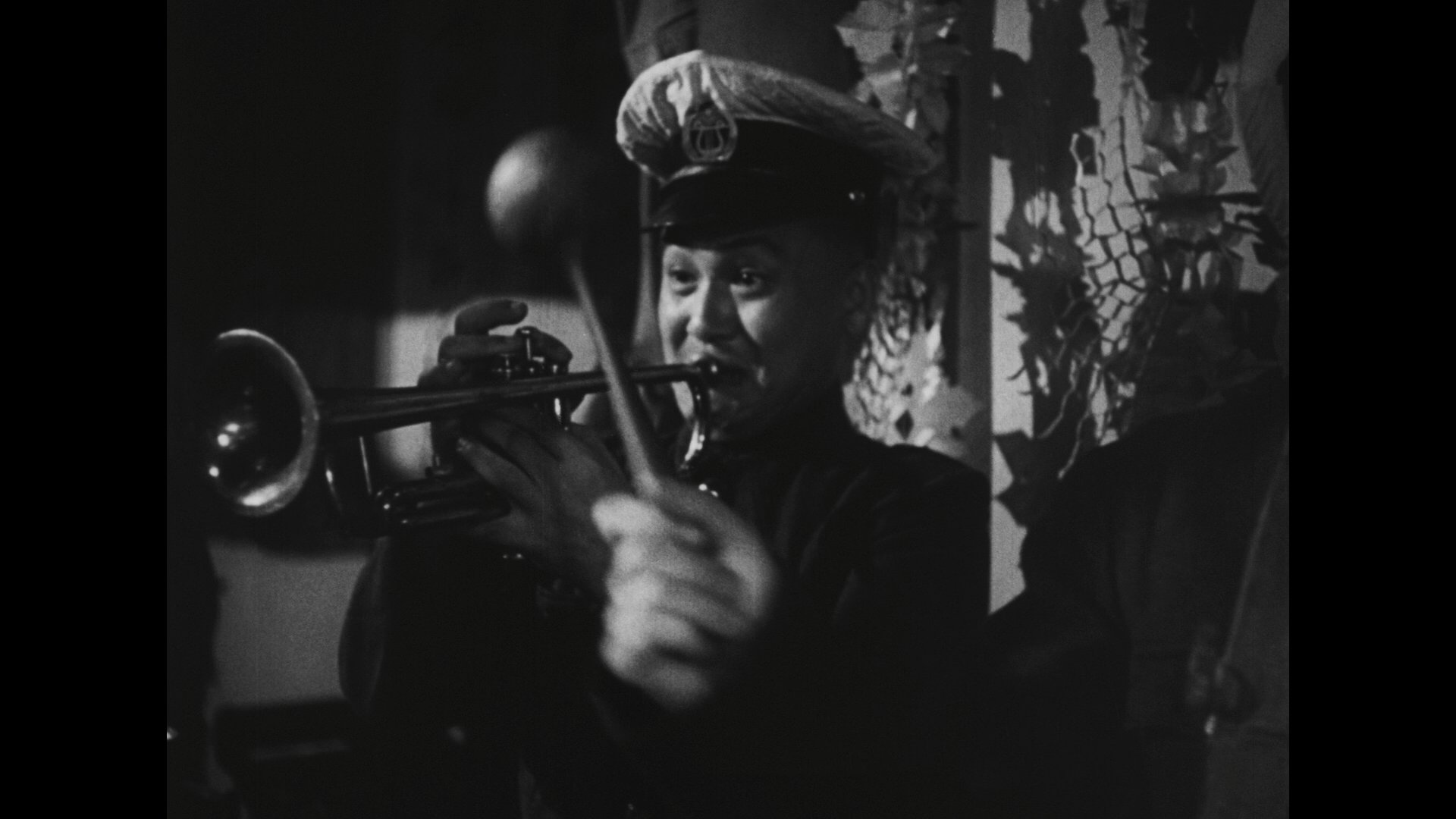
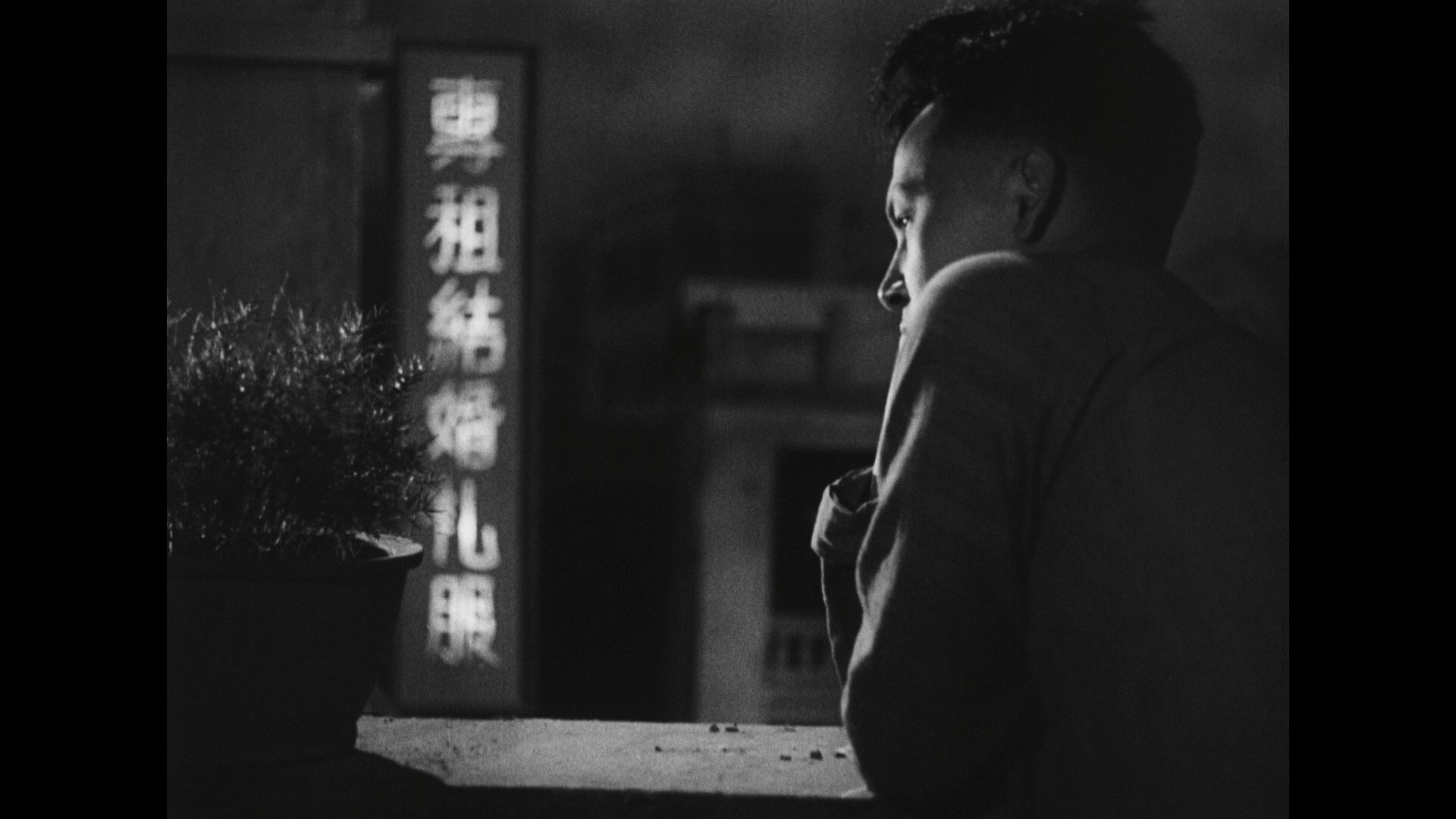
The film’s protagonist is Xiao Laba, or Little Trumpet, a poor musician who plays at weddings. He lives in a small room with his mother and spends his days wistfully observing other people’s marriages, longing to find a sweetheart of his own. The Wangs, a married couple, live in the room next door. Mrs Wang decides to help Laba by arranging a match between him and A-Cui, a colleague from the spinning mill where she works. After a brief comedy of errors, it turns out that Laba and A-Cui were childhood friends, separated by the war and the brutal Japanese occupation of China. They decide to marry, but poverty, social inequality, accidents and even pressure from foreign corporations repeatedly force them to postpone the wedding, subjecting the couple to a succession of humiliations.
Should They Marry? in the Context of Shanghai Cinema and Hong Kong’s Cantonese and Mandarin Film Industries
The film was produced by Longma, a company closely associated with post-war migrants from Shanghai’s film community. In this respect, its production background was not significantly different from that of other films—such as An All-Consuming Love (1947)—made by filmmakers who had emerged from pre-war Shanghai cinema. Like many filmmakers from mainland China, Zhu Shilin moved to Hong Kong after the end of the war against Japan. He initially worked with several studios, including Nanyang, Great China and Yonghua, before joining Longma in 1950. The company was financed by Wu Xingzai, while Fei Mu served as its principal artistic director. Zhu made several of his most famous films there, including The Flower Girl, Should They Marry? and The Show Must Go On.
Longma occupies a somewhat unusual position within the landscape of Hong Kong cinema. The studio formed a bridge between the realist, socially oriented cinema of the pre-war Wenhua and Lianhua studios, post-war humanist realism and the later left-wing Hong Kong cinema represented by Feng Huang and Great Wall. Following Fei Mu’s death and Wu Xingzai’s withdrawal from the film industry, Zhu himself helped establish Feng Huang, which grew into one of the most important left-wing film studios operating in Hong Kong.
For the sake of accuracy, it is worth mentioning that one can find claims online that Bai Shen began directing Should They Marry? but was unable to complete the film because he was deported to China by Hong Kong’s colonial authorities. Although Bai was indeed deported in January 1952, this could not have interfered with his directing duties, since the film had already entered theatrical distribution on 5 August 1951. The information most likely arose from confusion with the production circumstances of The Dividing Wall, which genuinely was disrupted by the deportation of its filmmakers. Should They Marry? was most probably directed jointly by Bai and Zhu, although today it is difficult to determine precisely who was responsible for what.
Zhu enjoyed a remarkably stable career and, unusually for directors of the period, remained associated with essentially the same current of filmmaking throughout almost all of it, steadily developing his cinematic language within that tradition. He was active in Shanghai during the 1930s, through the ‘Orphan Island’ period, and later in post-war and subsequent Hong Kong cinema.
Bai, meanwhile, was an important figure in left-wing circles who gradually became increasingly associated with Communist cinema. He initially worked in the theatre, but after moving to Hong Kong became involved in the film industry. In 1952, he was expelled from the colony for what was described as ‘patriotic-democratic activities’. After returning to China, he worked for Shanghai Film Studio.
In many respects, Should They Marry? therefore continues the traditions of pre-war Shanghai cinema, with Yuan Muzhi’s famous Street Angel (1937) being the most obvious point of reference. Both films deal with similar subjects—impoverished protagonists, the urban margins and love obstructed by material circumstances—and combine similar genres: comedy, melodrama and realist social cinema. Chinese critic Lin Niantong explicitly describes Should They Marry? as a development of this comedic tradition and the next step in the genre after Street Angel and Sorrows and Joys of Middle Age.
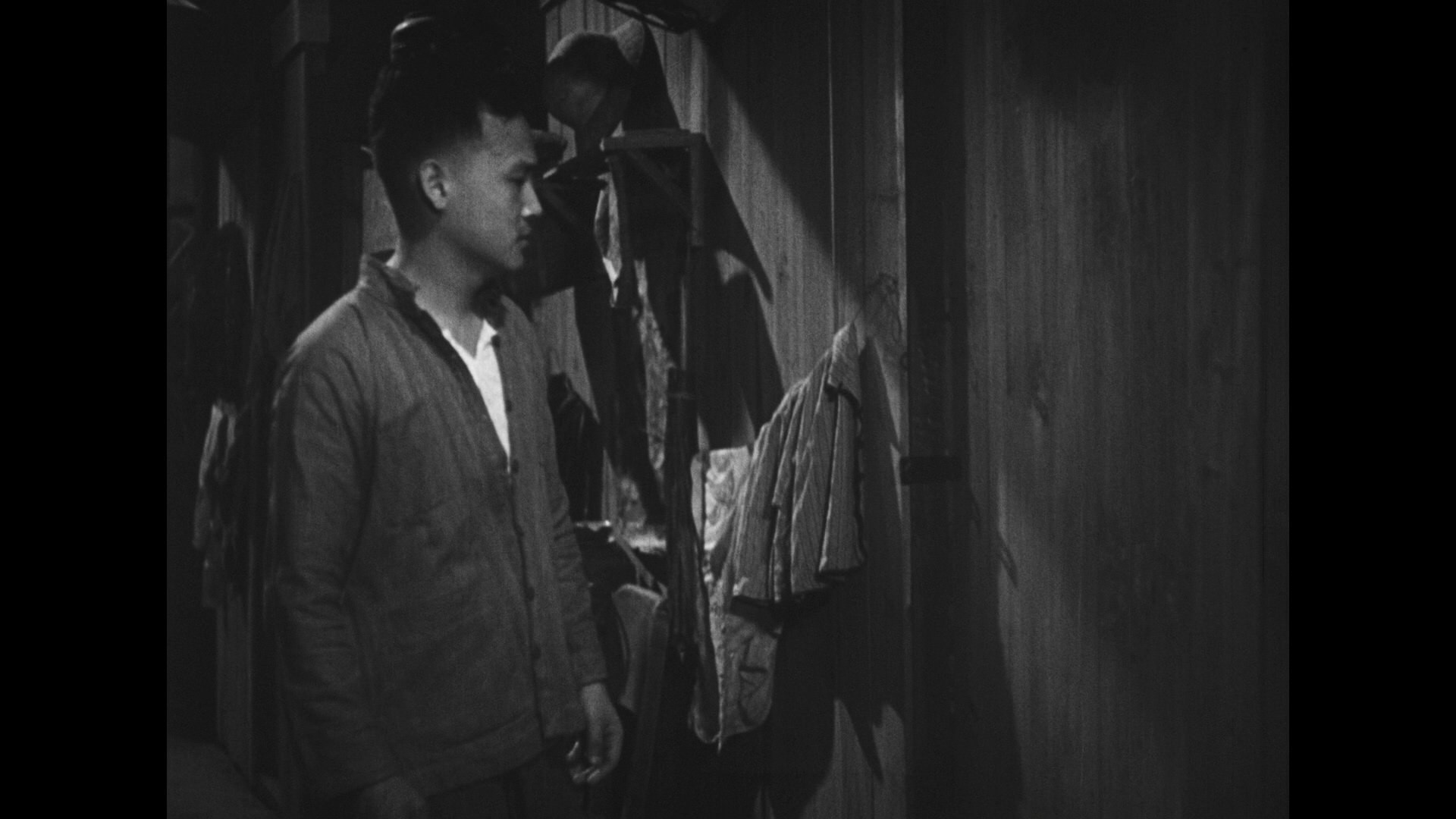
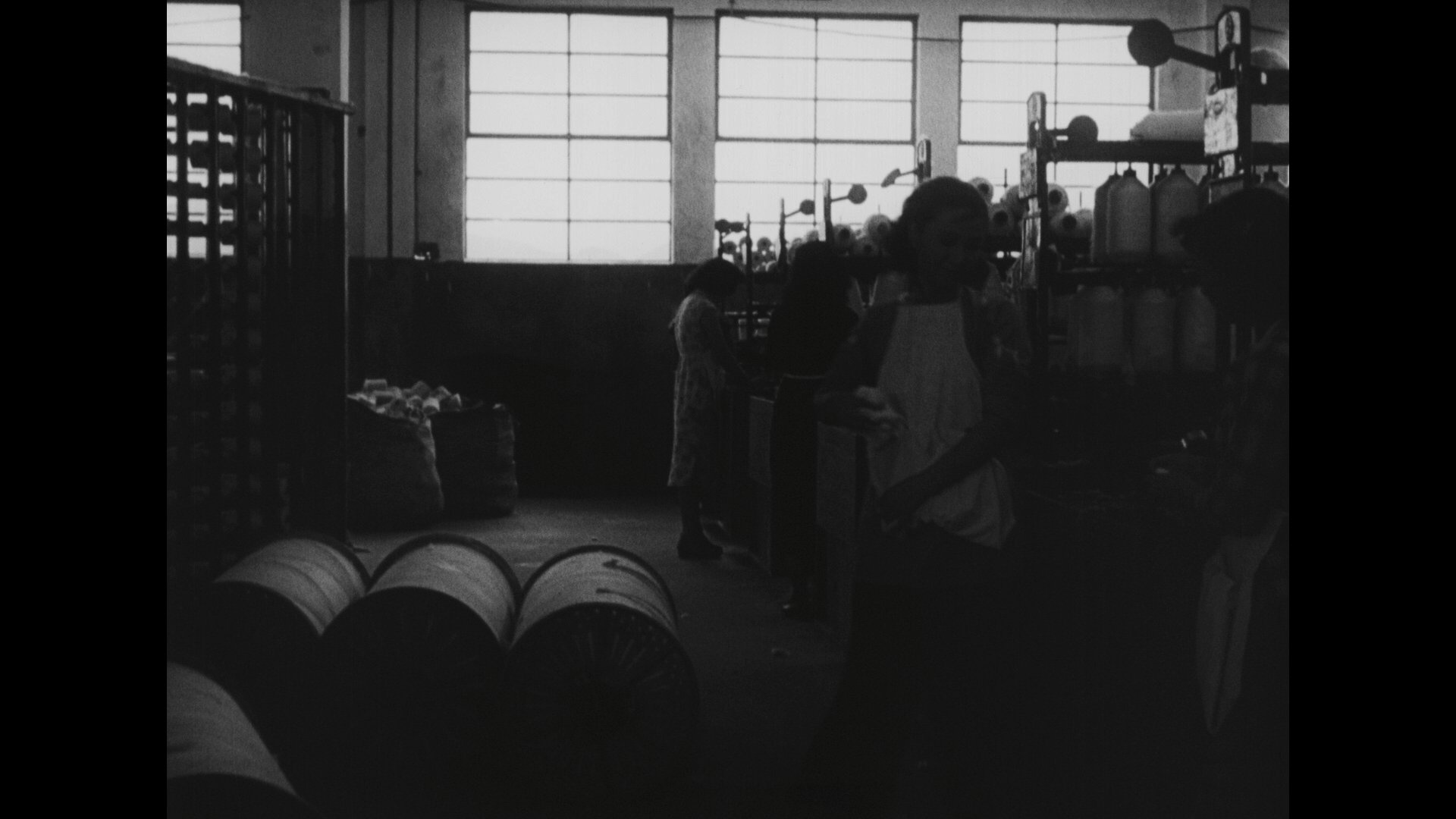
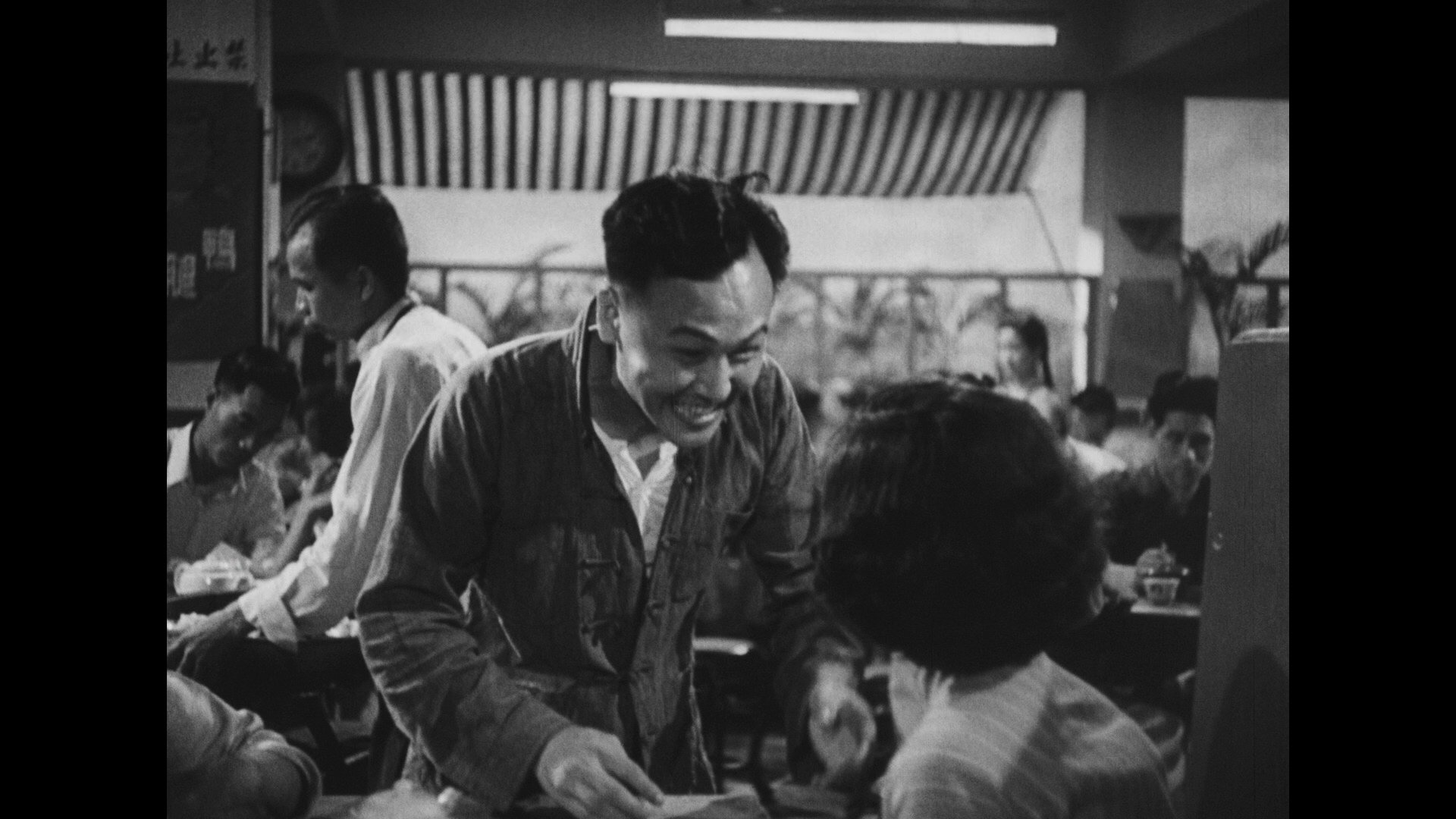
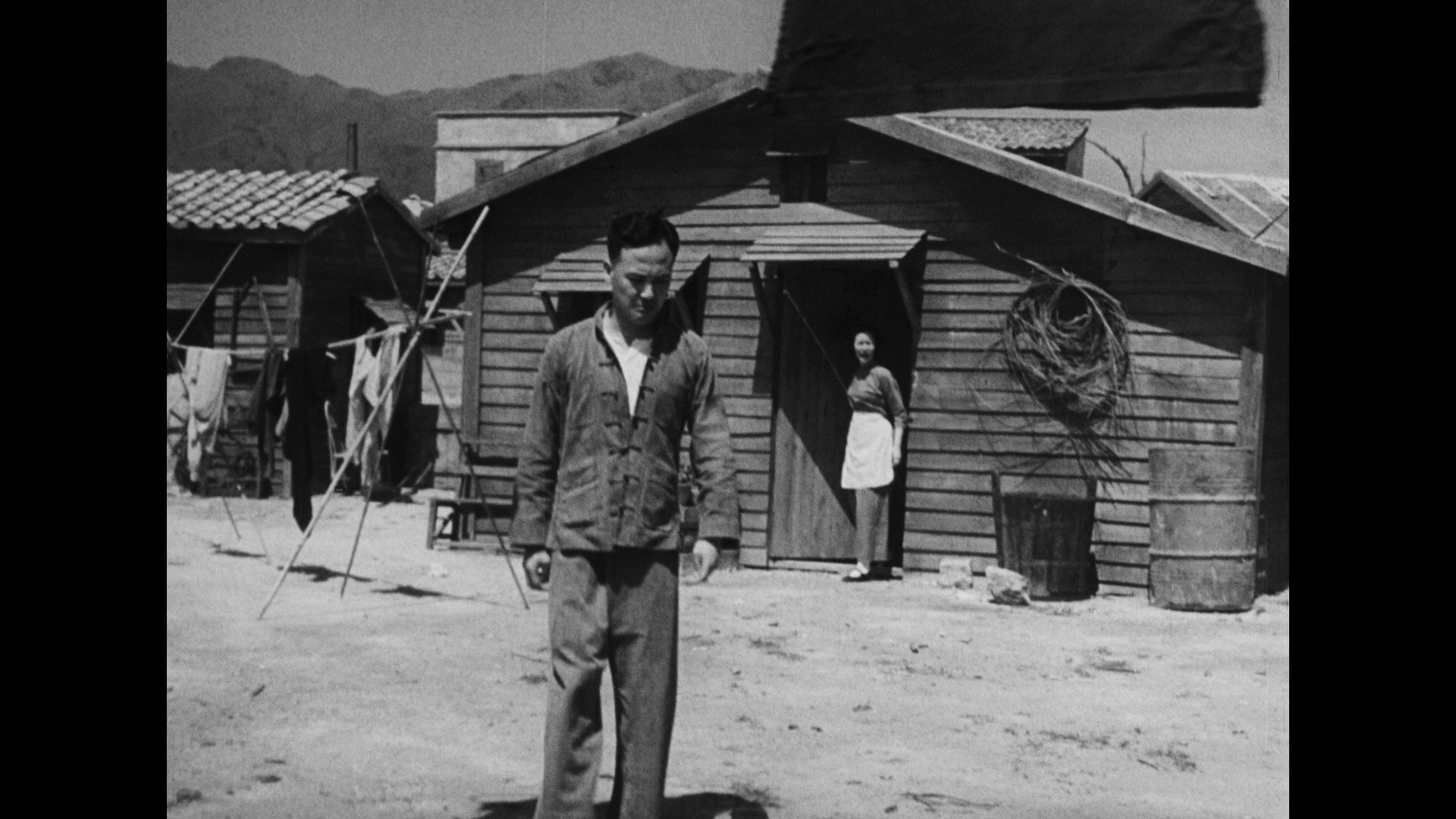
Stylistically, Should They Marry? also evokes fairly strong associations with Italian neorealism, particularly in its images of wooden huts in poor neighbourhoods and the interiors of cramped homes. Such comparisons also appear in some contemporary discussions of the film, but it should be remembered that Italian neorealist cinema was not widely available in Hong Kong at the time, and there is no evidence that Zhu and Bai were directly influenced by it. Everything instead points towards their continuing development of the realist, socially oriented Chinese cinema of the 1930s and 1940s. In films of this kind, poverty was often depicted through street comedy, songs, troubled romances and similar devices. The difference is that whereas in Street Angel the image of poor Shanghai was constructed through trumpets and singing against the city’s characteristic buildings and spaces, in Should They Marry? these have been replaced by images of more modern restaurants and spinning mills associated with Hong Kong.
Politically, meanwhile, the principal backdrop in pre-war Shanghai had been a semi-colonial metropolis that nevertheless remained a centre of Chinese modernity. In the Hong Kong of 1951, the protagonists inhabit a city of migrants, refugees, colonial administration and sudden housing crisis. Despite this, the film successfully transfers Shanghai’s social-cinema tradition into a new geography: from the streets of Shanghai to Hong Kong’s wooden settlements and spaces controlled by foreign ownership of land.
Through its focus on poor protagonists and impoverished neighbourhoods, Should They Marry? is also strongly reminiscent of contemporary Cantonese cinema, which—unlike the better-known Mandarin productions of the second half of the 1950s—frequently concentrated upon the less affluent classes. Examples include The Kid, The Guiding Light and In the Face of Demolition, which address, among other things, the need for mutual assistance and education.
The difference between socially oriented Cantonese cinema and left-wing Mandarin cinema was primarily stylistic. Cantonese filmmakers more frequently relied upon local actors, faster narrative rhythms, the Cantonese language and more direct melodramatic and comic devices. Mandarin filmmakers, particularly those emerging from the Shanghai tradition, were more inclined to construct carefully composed works more strongly subordinated to a clearly defined social or ideological argument. Their productions also tended to have larger budgets, reflected, among other things, in higher-quality sets.
About the Film
During its opening sections, the film barely ventures beyond the conventions of romantic comedy. Although it never completely abandons its humour, after the protagonists decide to marry it turns much more decisively towards social drama. The main storyline is actually very simple, while the characters are excessively one-dimensional—either thoroughly good or completely corrupt—which constitutes the film’s greatest weakness. Its narrative pace is also somewhat slow, which can negatively affect the experience of a film that relies on recurring gags and burdens its protagonists with an excessive number of problems concerning the choice of a wedding date, earning enough money for the ceremony and finding somewhere to live.
The principal strengths of Should They Marry? are its symbolic use of gags, its realistic depiction of contemporary Hong Kong from the perspective of the lower social classes without confining the action to studio spaces, its cast and its inventive montage sequences. Let us briefly consider each of these aspects in turn.
One recurring gag involves Laba repeatedly tripping over a stone standing in front of A-Cui’s house. For a substantial part of the film, he catches his foot on it while a comic gong sounds on the soundtrack; these scenes are clearly constructed in the tradition of slapstick humour. At one point, however, we discover that the stone is actually a boundary marker indicating land belonging to a yangchang, a foreign company. When the hut occupied by A-Cui and her father is demolished on the company’s orders—the corporation planning to build a supermarket on the site of the destroyed homes—the gag reveals the structure of violence and ownership within the colony, arising from the inequality between foreign corporations and local inhabitants. In this context, Laba’s repeated stumbling becomes a visual symbol of his inability to succeed because of an inhuman external force: imperialist economic pressure.
Another recurring gag concerns a tuft of Laba’s hair that he can never comb into place. It always sticks out, stubbornly refusing to submit to the comb. The humorous scene of him attempting to arrange his hair recurs before every important meeting in his life, but gradually acquires meaning as a symbol of Laba’s own imprudent stubbornness. He lives with the conviction that he must provide for himself and his family on his own. This does not stem from masculine pride—after all, he accepts assistance from his working fiancée—but from his desire to preserve his independence and dignity.
The central idea of the film, however, is the left-wing notion of collectivism. The wedding and the difficulties encountered by the couple primarily serve to demonstrate the impossibility of self-determination and self-sufficiency for poor people. Only by accepting the help of others—in this case, the female workers at the spinning mill where A-Cui and Mrs Wang are employed—is Laba finally able to achieve what he could not accomplish alone. At this point, his stubborn hair finally begins to obey the comb—although it is his wife’s comb.
In this context, the film’s left-wing character manifests itself not so much through support for a particular ideology or political group as through its identification of social problems, including imperialism, feudalism and economic inequality, and its promotion of social attitudes centred upon mutual aid. If all the protagonists’ friends contribute a single yuan each towards a home for the newlyweds, the cost will not be substantial for any individual, but together they will collect a considerable sum. This is therefore less a declaration that ‘the working class will overthrow the system’ than an assertion that ‘a poor person cannot survive without the help of others’. Zhu and Bai attempt to mobilise their audience towards solidarity and mutual assistance while showing that poor people, too, have a right to a stable home, marriage and dignity.
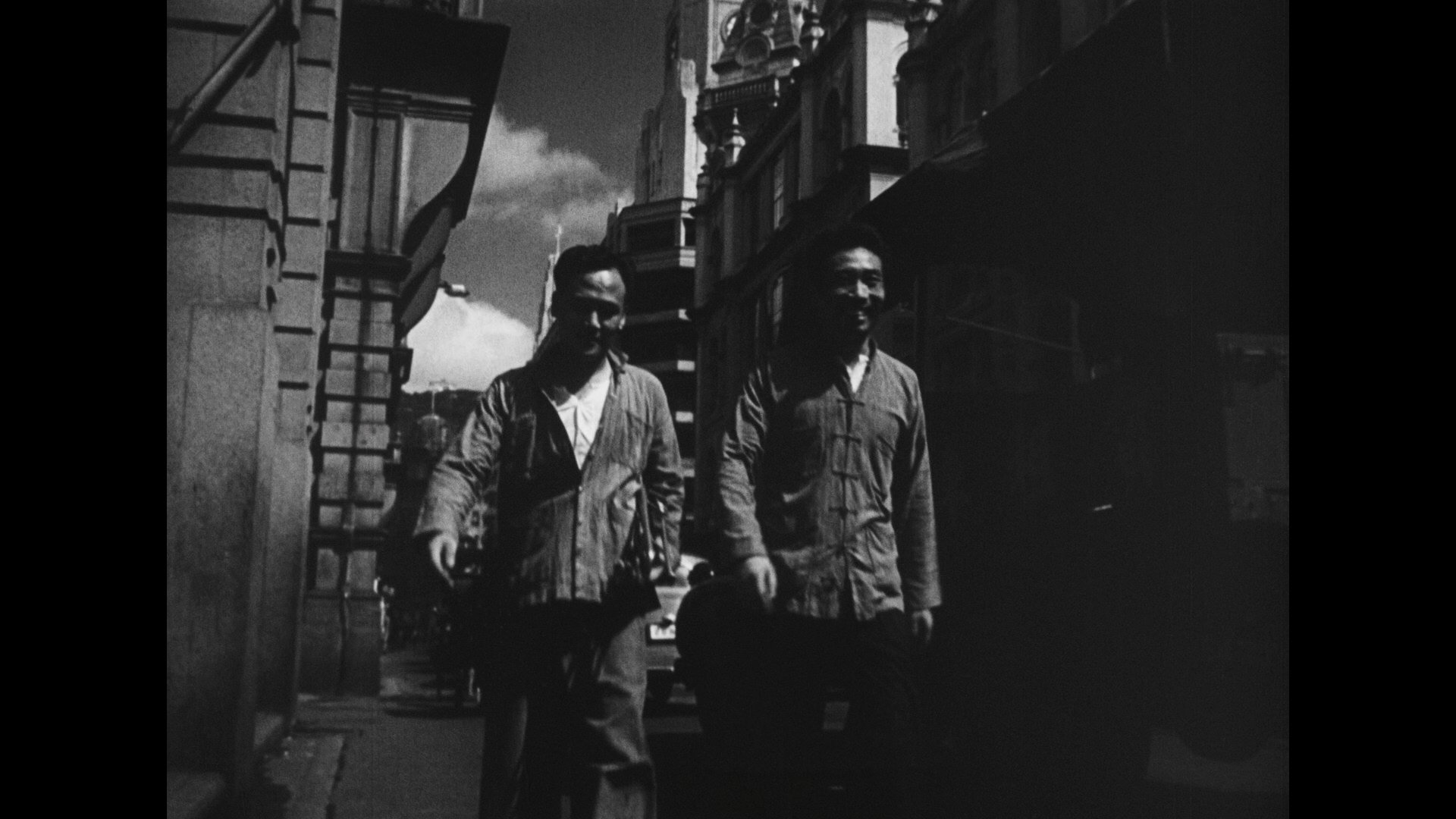
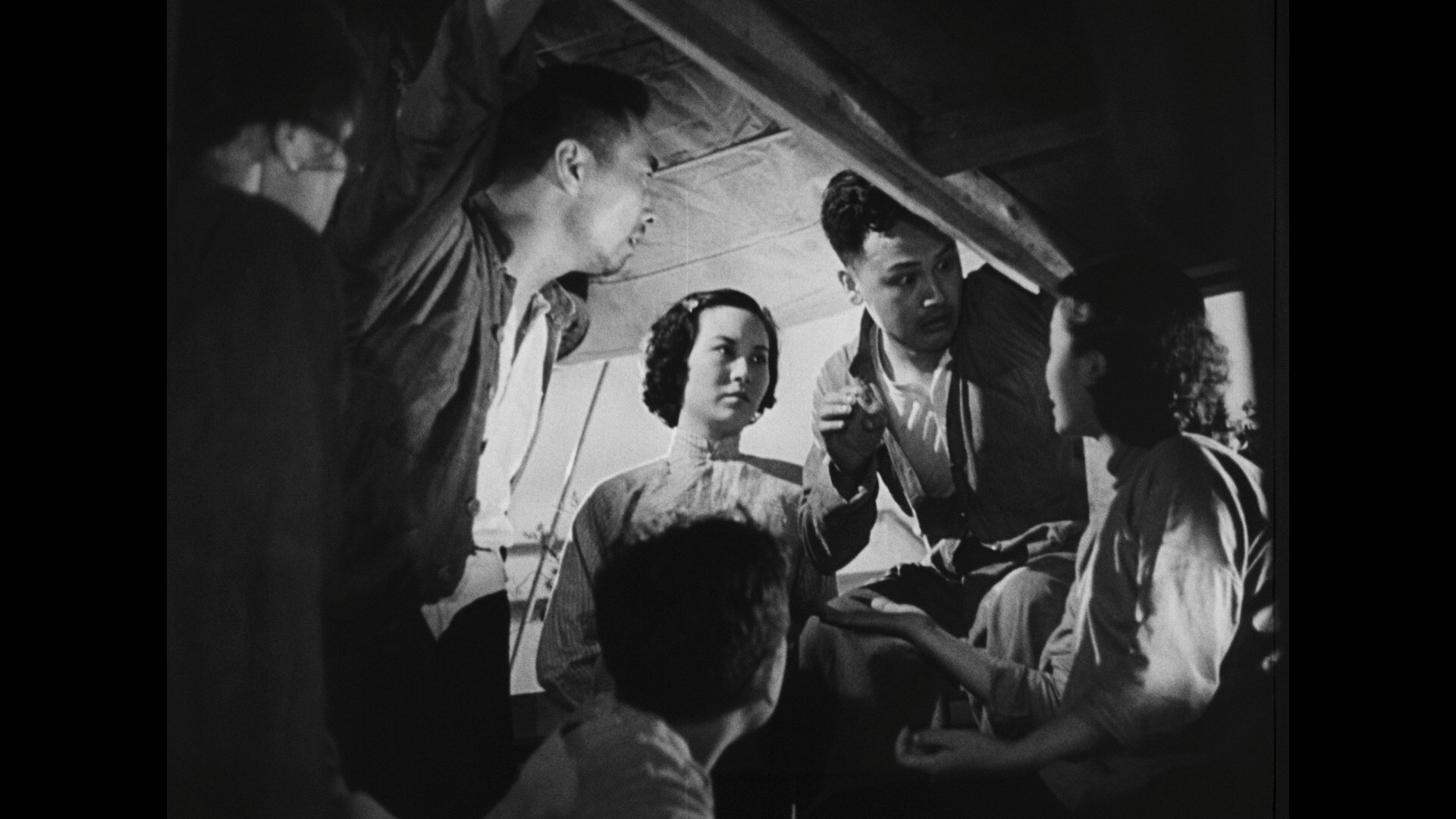
The second aspect mentioned above is the film’s realism. This can be seen, for example, in its depictions of domestic interiors. They are intensely claustrophobic because, as a result of population growth—although the film never explicitly states this—poorer inhabitants are forced to rent not entire flats but individual small rooms, in which whole families must sometimes live. In other parts of the city, people occupy spartan wooden huts. Those living in flats must contend with greedy landlords, while those living in huts face the imperialist expansion of zones of foreign influence. Should They Marry? also contains numerous shots of streets, parks, poor neighbourhoods, markets and other locations, making it, from the perspective of a contemporary viewer, a portrait of a Hong Kong that no longer exists.
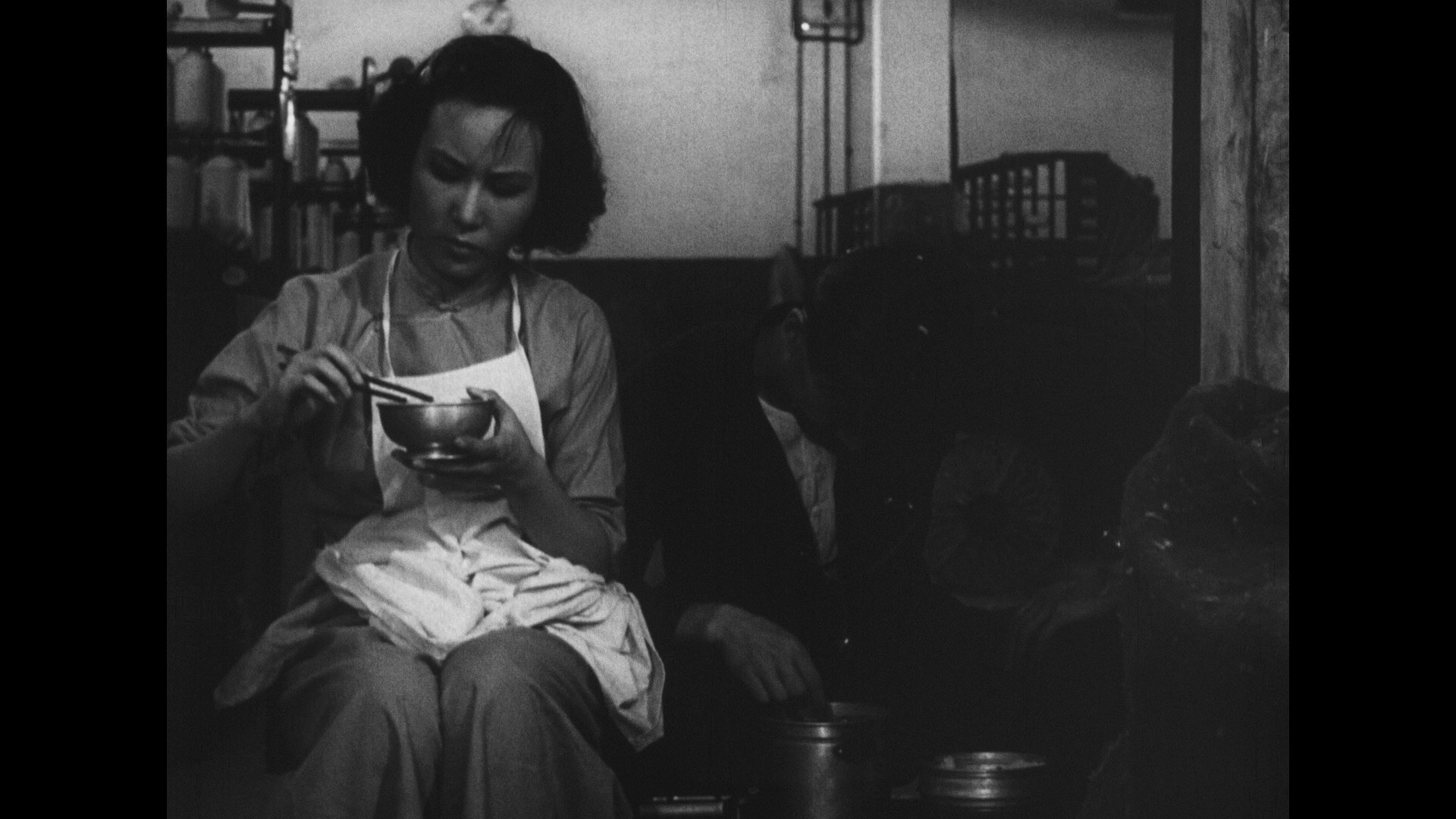
The film’s realism is also evident in the occupations of its characters. A-Cui, for example, is one of many women doing manual work in post-war Hong Kong. Laba is a wedding musician, and through him we observe the class differences between the weddings of the poor and those of the wealthy. In the evenings, the two of them run a food stall, but are harassed by local criminals who extort protection money from them. Should They Marry? thus presents a fairly broad cross-section of contemporary Hong Kong life.
The two leading roles are played by Li Li-Hua as A-Cui and Han Fei as Xiao Laba. Li Li-Hua (1924–2017) was one of the greatest stars of mid-twentieth-century Chinese-language cinema. She came from a family associated with Peking opera and studied the operatic arts from childhood. At the age of sixteen, she joined the Yihua film studio and made her debut in Three Charming Smiles in 1940. The film was a box-office success and made her a star. During the Japanese occupation of Shanghai, Li appeared in films made within a studio system controlled by the occupation authorities. Consequently, like many others, she was accused of collaboration after the war, but was acquitted. In 1948, at the invitation of Li Zuyong, she moved to Hong Kong and joined the Yonghua studio. She subsequently worked with the colony’s largest Mandarin-language production companies: Great Wall, Longma, Hsin Wa, Shaw & Sons and MP&GI.
Associated primarily with large-scale melodramas and costume epics, Li surprised audiences in Should They Marry? by playing a working-class woman suffering from poverty. In preparation for the role, she learnt how to work in a spinning mill, where she also observed the women employed there. In later years, she became one of the most important actresses in both Hong Kong and Taiwan. During the 1960s, she became associated with Shaw Brothers, won the Golden Horse Award twice for leading performances and, towards the end of her life, received lifetime achievement honours from both the Golden Horse Awards and the Hong Kong Film Awards. As an actress whose career stretched from Shanghai cinema through Hong Kong and Taiwan to Hollywood, she remains one of the most important figures in transregional Chinese-language cinema.
Han Fei (1919–1985), whose real name was Han Youzhi, was primarily known for comedic roles. He also worked in the theatre. Born in Beijing, he moved with his family to Shanghai in 1932, where he completed his education and began performing with various theatrical companies, gradually building his reputation.
He made his screen debut in Deep in the Night in 1941. After the war, he appeared in Shanghai productions for Wenhua, mainly realist social comedies. In 1949, he moved to Hong Kong, where he became associated with left-wing and progressive circles, principally through the Great Wall and Longma studios, which produced some of his most important comedic performances. It is no exaggeration to describe him as one of the faces of left-wing social comedy in the early 1950s. In 1952, he returned to Shanghai and joined Shanghai Film Studio. Although he continued to perform in comedic roles, he also began appearing as villains, officials, teachers and workers in productions supportive of the Chinese Communist Party.
The final aspect worth mentioning is the editing. Should They Marry? contains three particularly interesting sequences in this respect. The first takes place in a restaurant, where Laba arrives with Mrs Wang while Laba’s mother secretly follows them. Wang intends to introduce Laba to her colleague from work, unaware that A-Cui and the young man have known each other since childhood. When A-Cui is late, Wang goes to look for her, and during her absence A-Cui arrives at the restaurant with a friend. She encounters Laba by chance, and the two want to talk to each other, but at the same time they must remain apart while waiting for the prospective partners Wang has promised to introduce to them. The sequence is presented with a strong comedic touch, using long takes, and relies upon the mistaken-identity motif that was extremely popular in Chinese-language comedy and had been popularised during the 1930s through successes such as Girl in Disguise.
The second sequence uses parallel montage. Through rapid cutting, the viewer alternately watches Laba playing the trumpet—the sound of the instrument dominating one side of the sequence—and A-Cui working with her father to construct an additional room onto their hut, accompanied by the rhythm of hammer blows. In addition to possessing considerable visual and musical energy, the sequence emphasises the protagonists’ hard work and clearly connects Laba’s profession with the couple’s material living conditions. It becomes all the more emotional because it is subsequently contrasted with the destruction of the hut by the foreign corporation.
The third sequence depicts the protagonist’s dream. After buying a lottery ticket and falling asleep, Laba dreams of a surreal version of his wedding to A-Cui, which transforms into a succession of scenes reminiscent of wuxia and militarist cinema before descending into a nightmare that ends with the collapse of the dream world itself.
These sequences, excellent in terms of both image and sound editing, make other scenes in the film seem noticeably weaker by comparison. Even Laba’s awakening from his dream is presented in a scene with considerably less energy and an overextended slapstick gag. The behaviour of the characters and many of the film’s events are frequently designed to evoke specific emotions or subordinated to its message, and consequently do not always seem to emerge naturally as sincere reactions on the part of the characters. Although the central idea of Should They Marry? is never presented in an overtly agitational manner, it nevertheless remains somewhat insistent, and the plot has clearly been constructed in support of it.
Despite these weaknesses, the film remains a valuable and important work within Hong Kong’s Mandarin-language film industry. It achieved both commercial and critical success and has retained considerable relevance: young couples still struggle today with housing, wedding expenses and social formalities.
It is a film whose strength emerges through its symbols and ideas rather than through the presentation of its central storyline alone. Its power therefore lies not in the course of the plot itself, which is fairly simple and occasionally resembles a morality play, but in the way Zhu and Bai transform recurring gags, props and everyday obstacles into an image of the social structures obstructing the lives of Hong Kong’s poor. For admirers of the colony’s cinema and socially oriented comedy, it is therefore a film particularly worthy of attention.
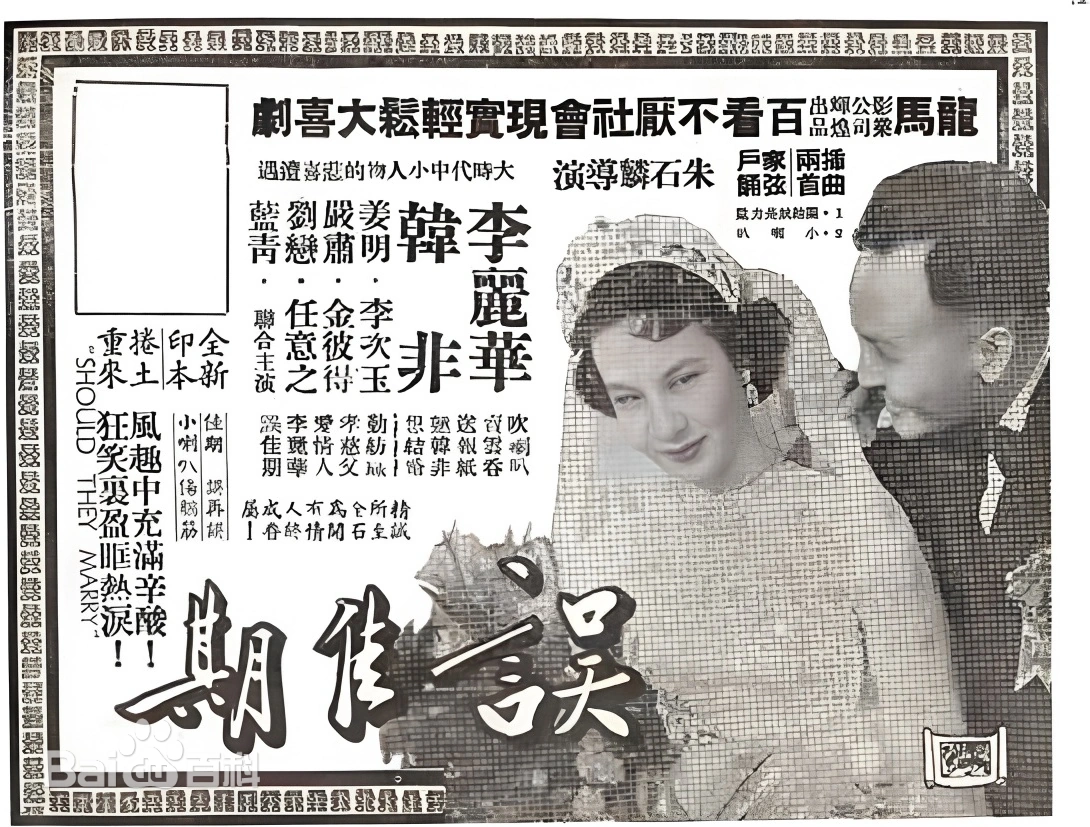
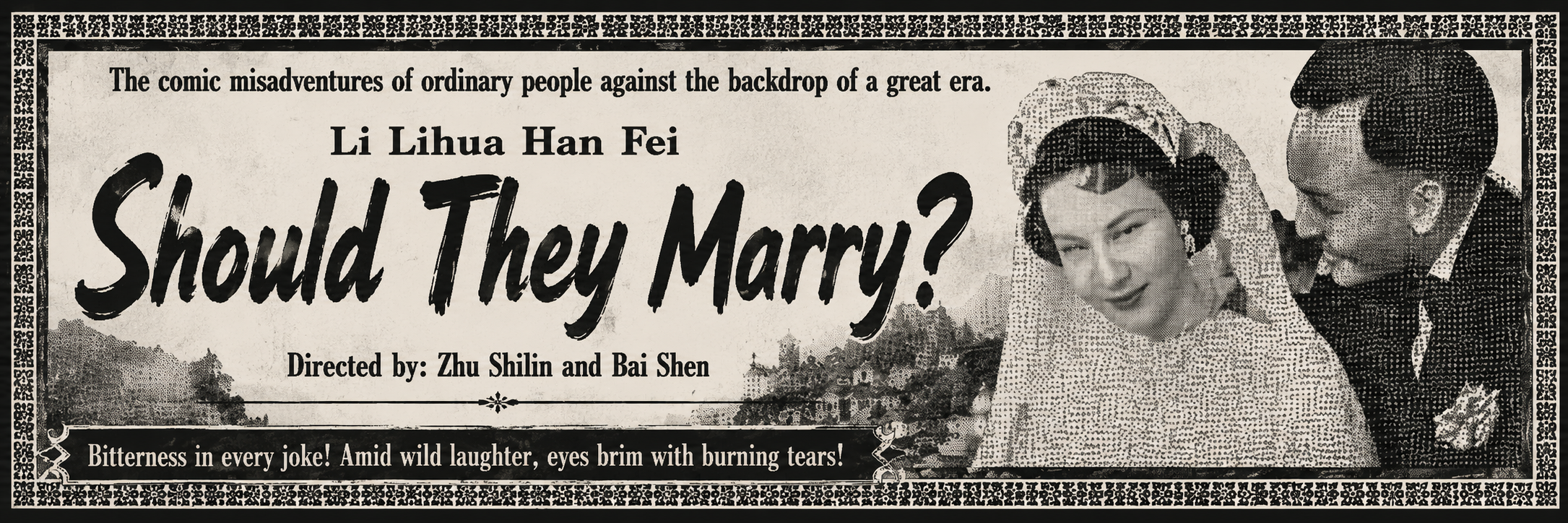
Apart from the title, the poster contains the following promotional taglines:
- A grand light-hearted social-realist comedy you’ll never tire of!
- The comic misadventures of ordinary people against the backdrop of a great era.
- Bitterness in every joke! Amid wild laughter, eyes brim with burning tears!
- Revealing every shade of human emotion and every twist of fate. It will move even hearts of stone and steel!
- Two songs from the film — sung in every household!
The songs listed on the poster are:
- 獻花歌 (Xiàn huā gē): Song of the Flower Offering
- 小喇叭 (Xiǎo Lǎba): Little Trumpet

Author of “Panorama of Hong Kong and Taiwan Cinema”, a lover of Asian cinema, action films, and space voyages aboard the starship Enterprise. He once studied Polish philology, and later became a citizen of the NSK State in Time. He has published in Kinomisja, Ekrany, Kultura Liberalna, Torii, Dwutygodnik Kulturalny, and others.