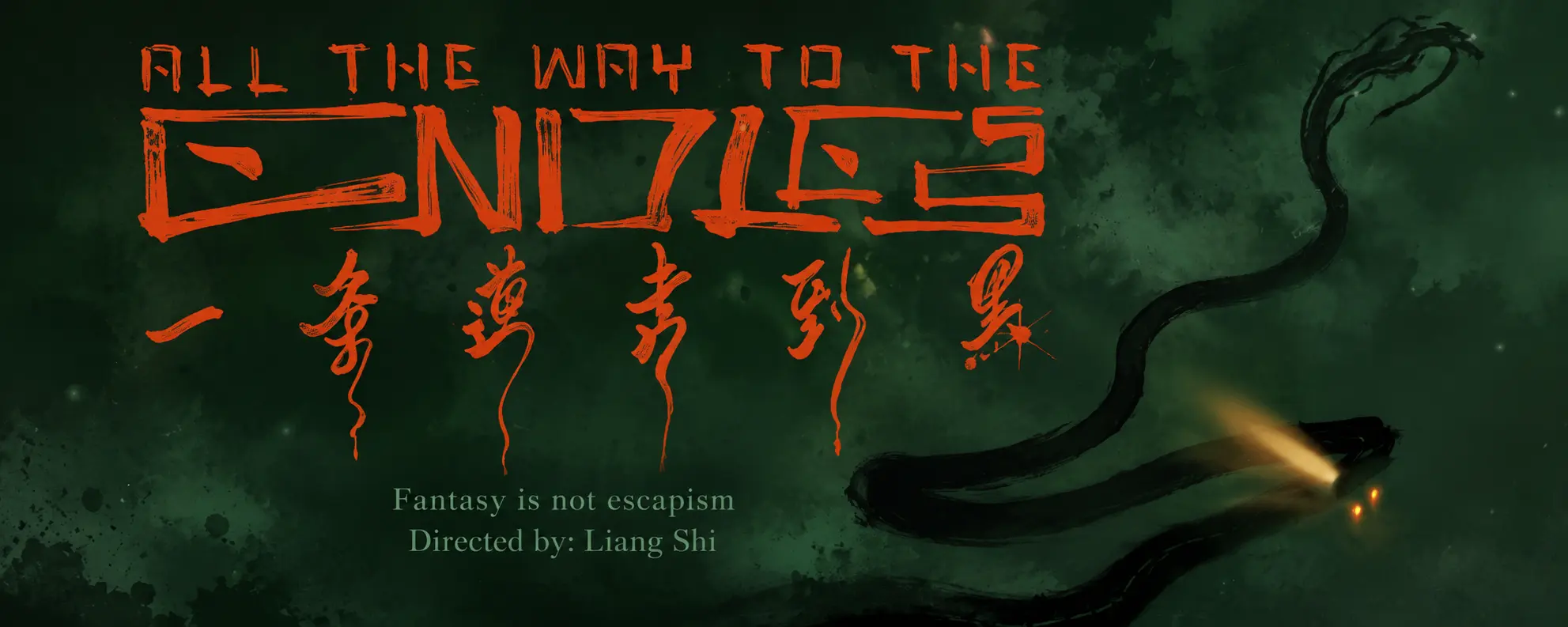
Following the international successes of Gan Bi’s artistically oriented films, Chinese independent cinema has found itself in his shadow — as readers of Velarium were able to discover from the review of Binbin Li’s debut production The Night Rain South Township (2023). Another young director, Liang Shi, has taken a similar direction, though his film does not so much imitate Bi’s poetic cinema as openly construct its own reality from quotations, associations, and references to other filmmakers and cultural forms — from auteur cinema to yue opera and prayer rituals.
All the Way to the Endless entered the festival circuit in 2024 but became more widely available two years later, when it debuted on Chinese streaming platforms. Its original Mandarin title is somewhat more sombre than the English one and translates as “to walk one road all the way into darkness.” This idiom denotes stubborn perseverance on a chosen course regardless of the consequences, underlining both determination and blind obstinacy. In this context it carries an ambivalent shade and can be used in a negative sense as well. The character who presses forward is a screenwriter in his mid-thirties, Bianju (Wei Zhen), who is suffering from writer’s block. After his muse disappears, his mind begins to wander through the recesses of memory and fantasy, filtered through cinema and opera. Meanwhile, in the real world, his friend Xiongmao (Feng Shi) takes him on a journey to Tibet. The protagonist thus finds himself, on both levels — real and imagined — on a road towards self-discovery.
In addition to the two actors mentioned, others also appear in the film, including Shanchuan Yu as an elderly widower travelling to Tibet. Along the way he meets a child who reminds him of his own, who died long ago. The man ends up in a hotel where he was to have met Kar-Wai Wong, the famous and existing in reality Hong Kong director. This story is one of many narratives that — all indications suggest — unfold within the protagonist’s mind. The widower also witnesses an operatic performance taking place in a meadow: a staging of the celebrated legend of The Butterfly Lovers, a tragic tale of lovers, assumed identities, and a fantastical metamorphosis. Its inclusion in All the Way to the Endless underscores the motifs of romantic projection, impossible love, the splitting of identity, the idealization of the woman, and death — all intertwined with the protagonist’s search for himself and his muse.
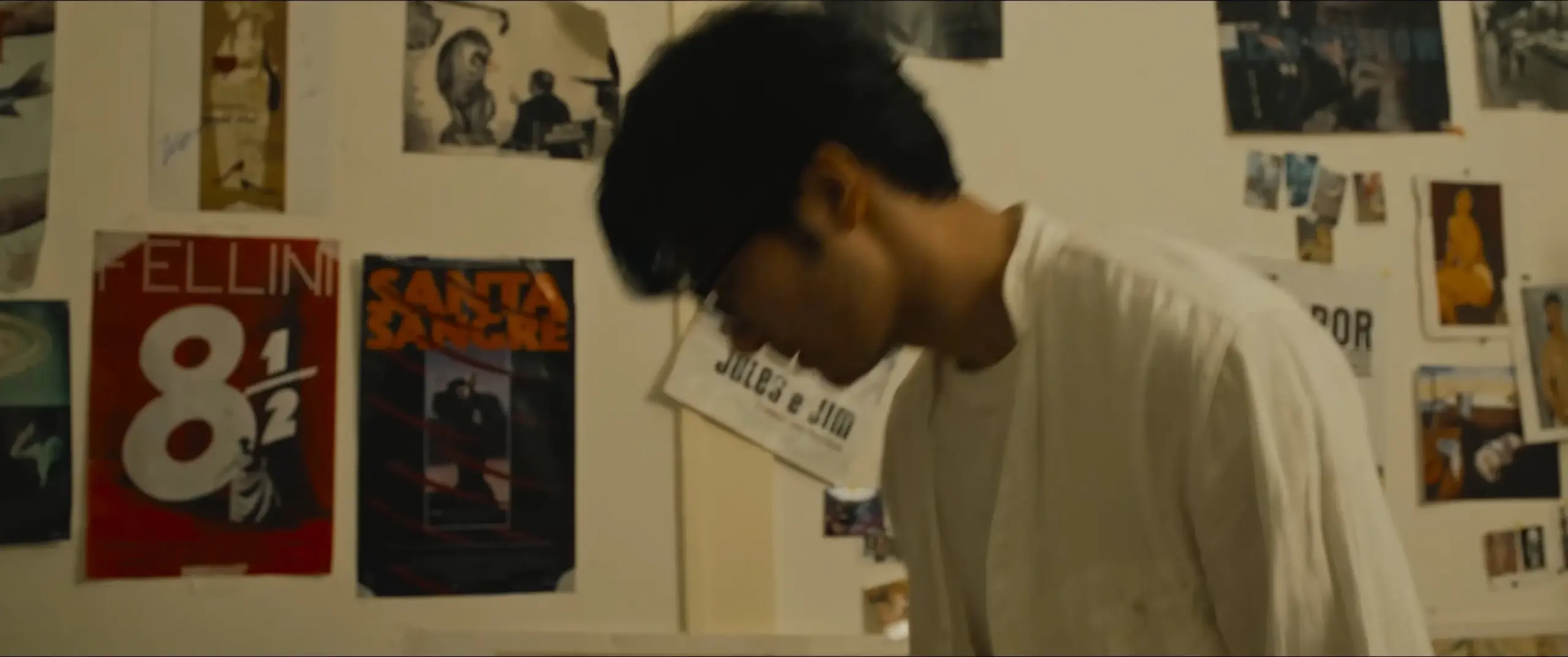
At the same time, through these and similar scenes — as well as through the ostentatious references to the romantic, poetic narratives of Wong’s films — Shi constructs an idiosyncratic cultural and cinematic landscape. It can be said without exaggeration that both Bianju and the director himself think almost entirely in cinematic terms. Evidence of this is found in the protagonist’s room, filled with posters for films such as Andrei Tarkovsky’s Nostalghia, Alejandro Jodorowsky’s Santa Sangre, Jean-Luc Godard’s A Woman Is a Woman, Alfred Hitchcock’s Psycho, and many others. The posters serve not merely a decorative function but are an indication that the character processes life through cinematic images, and that his apartment is a kind of mental film library. In this context the strong stylistic diversity of All the Way to the Endless comes as no surprise. The production is in many respects an almost abstract collage in which black-and-white, operatic, and surreal scenes are interwoven, and the setting jumps between Shanghai and rural landscapes.
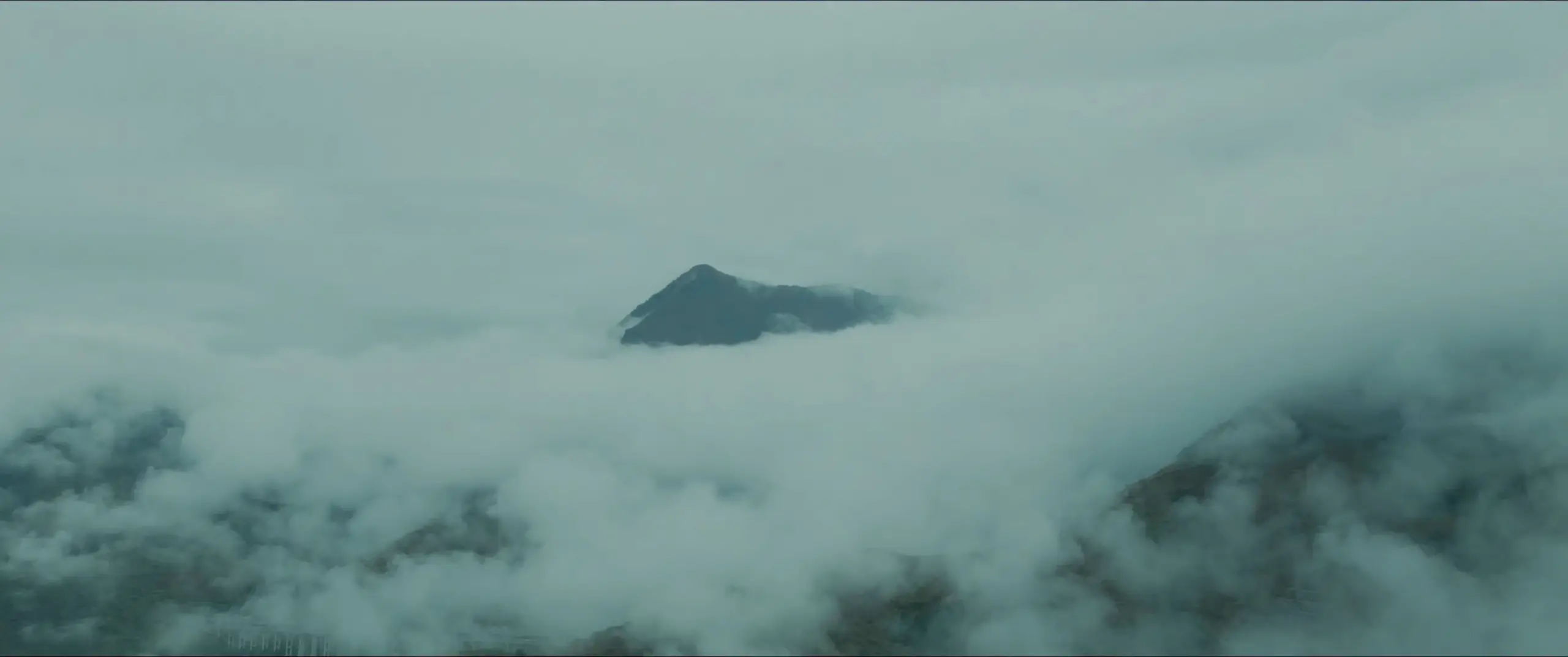
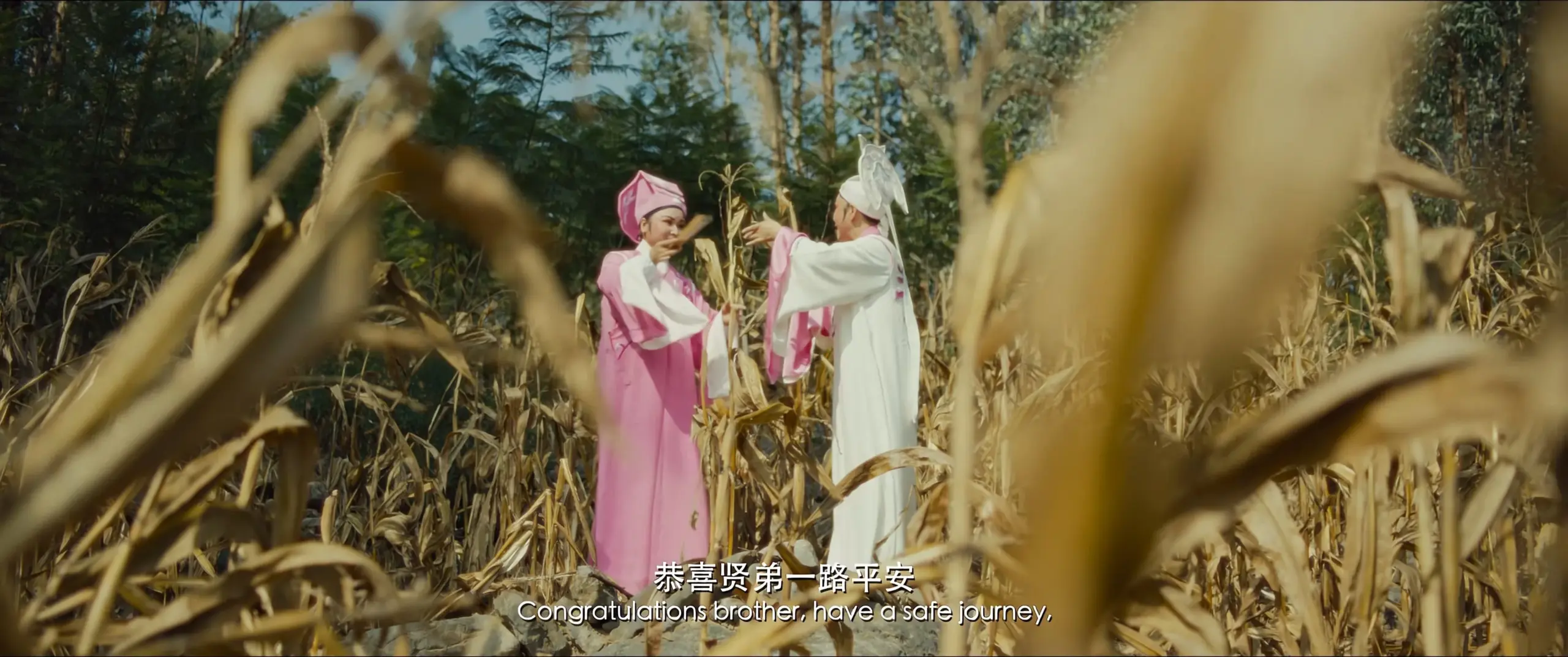
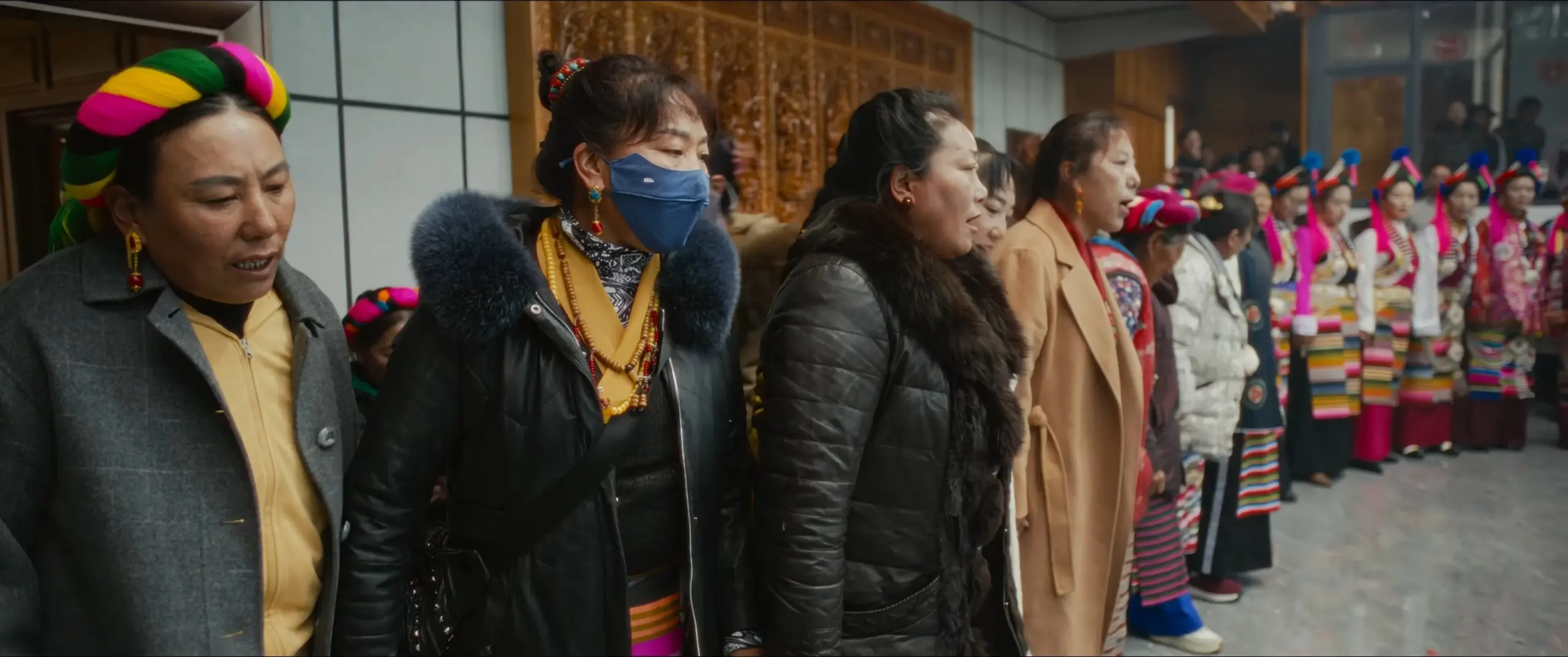
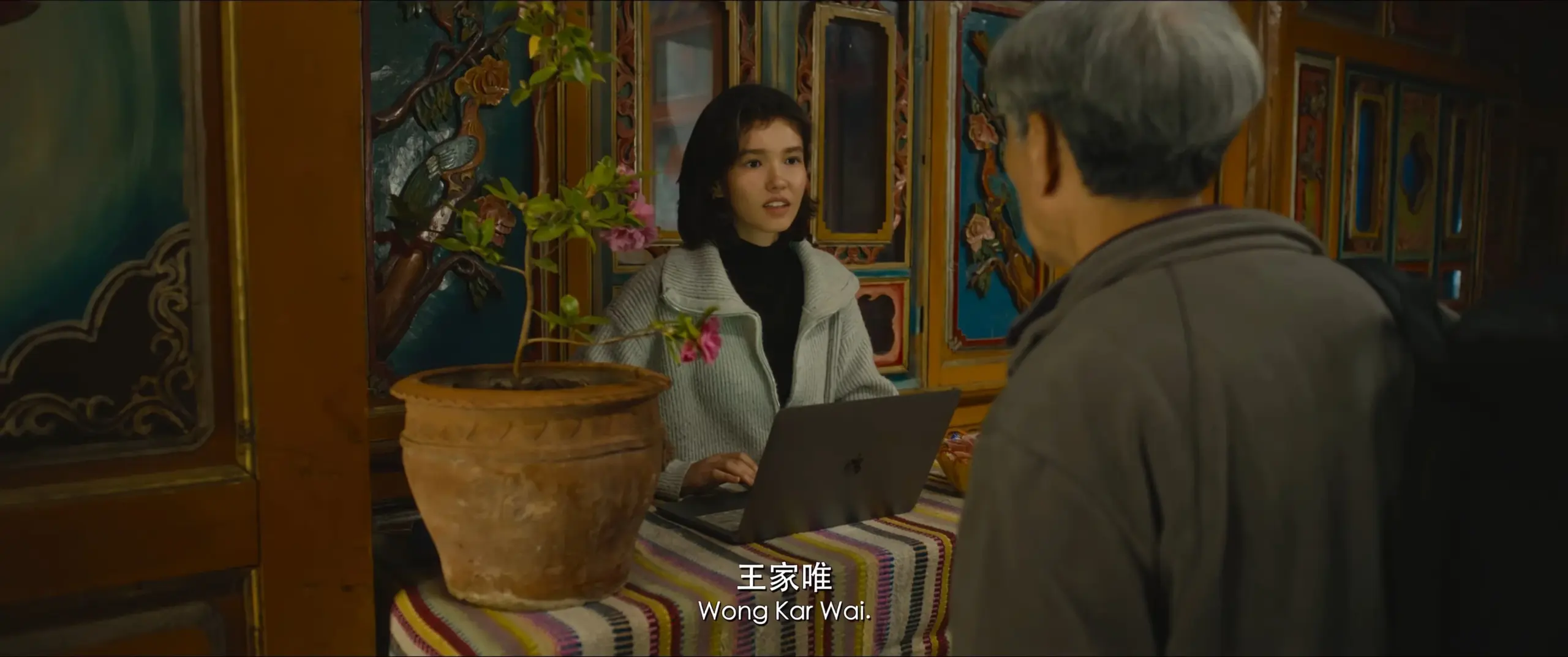
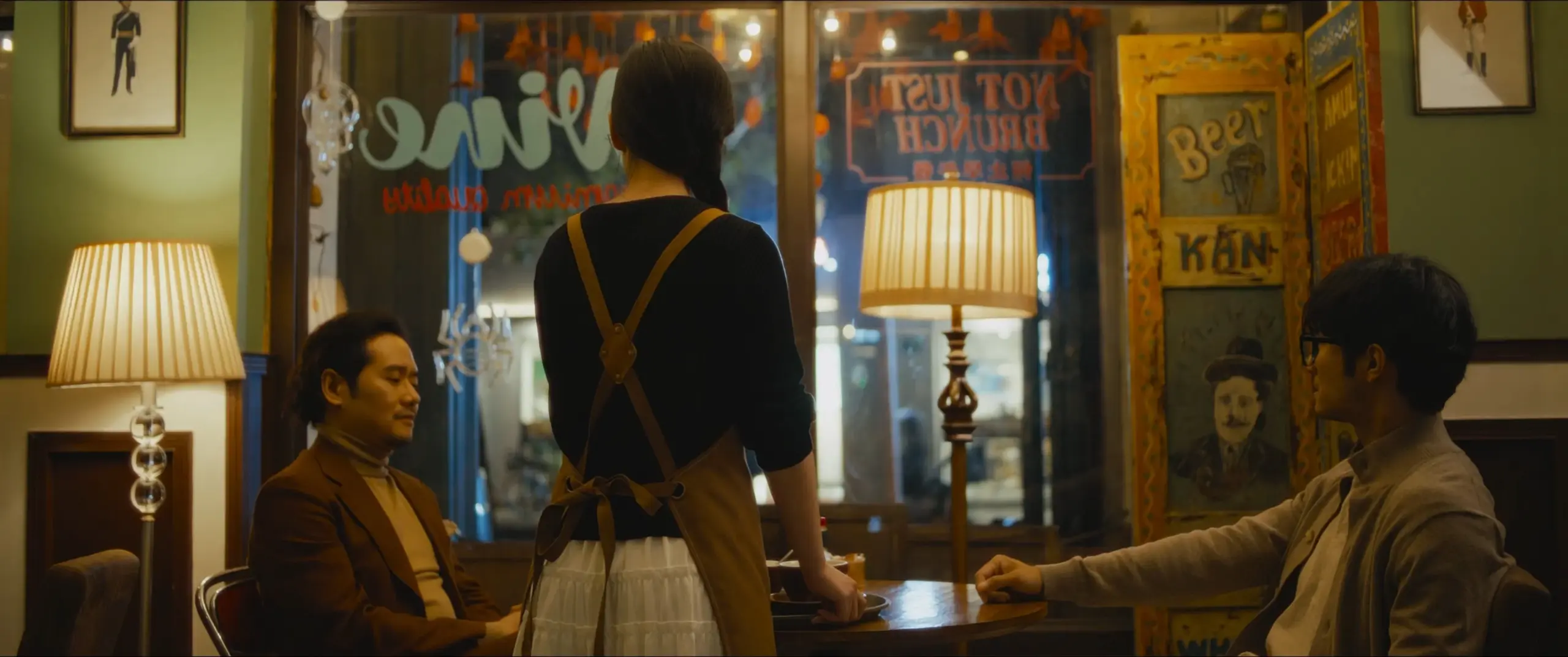
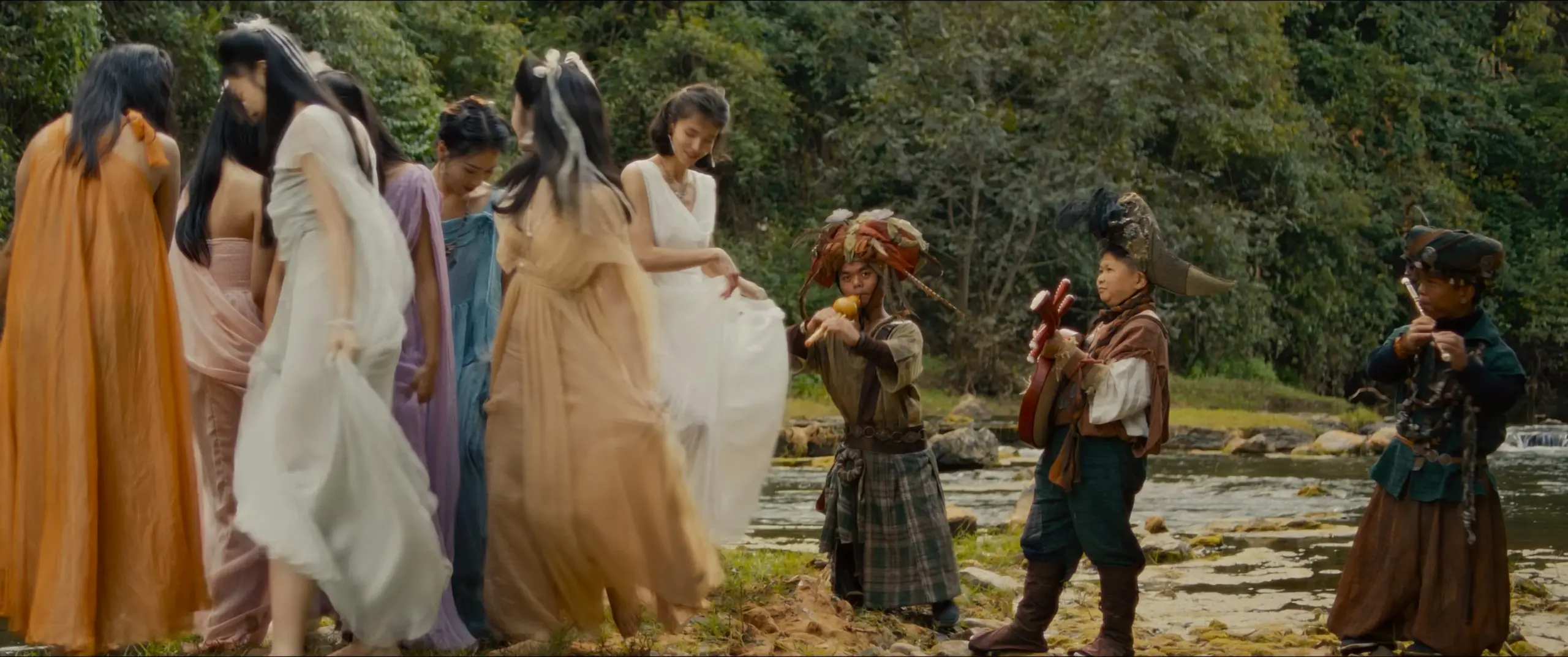
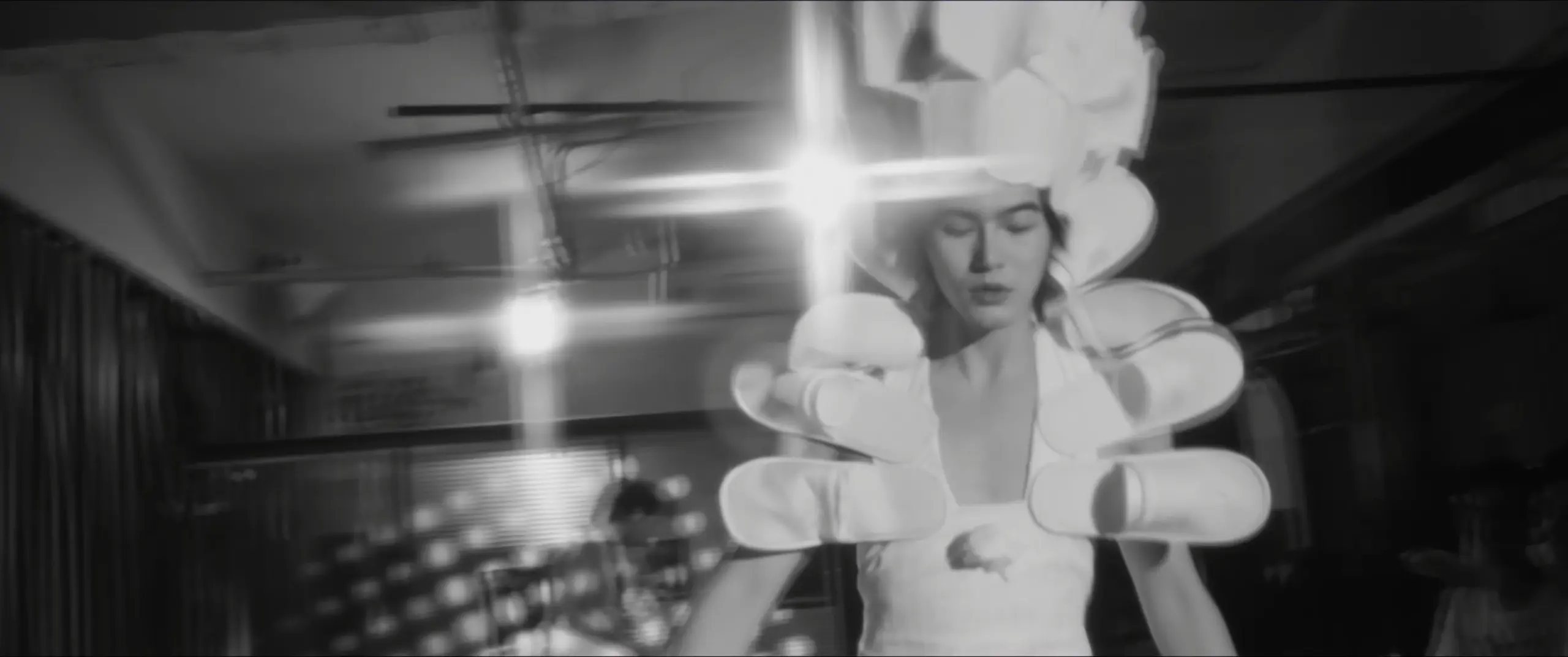
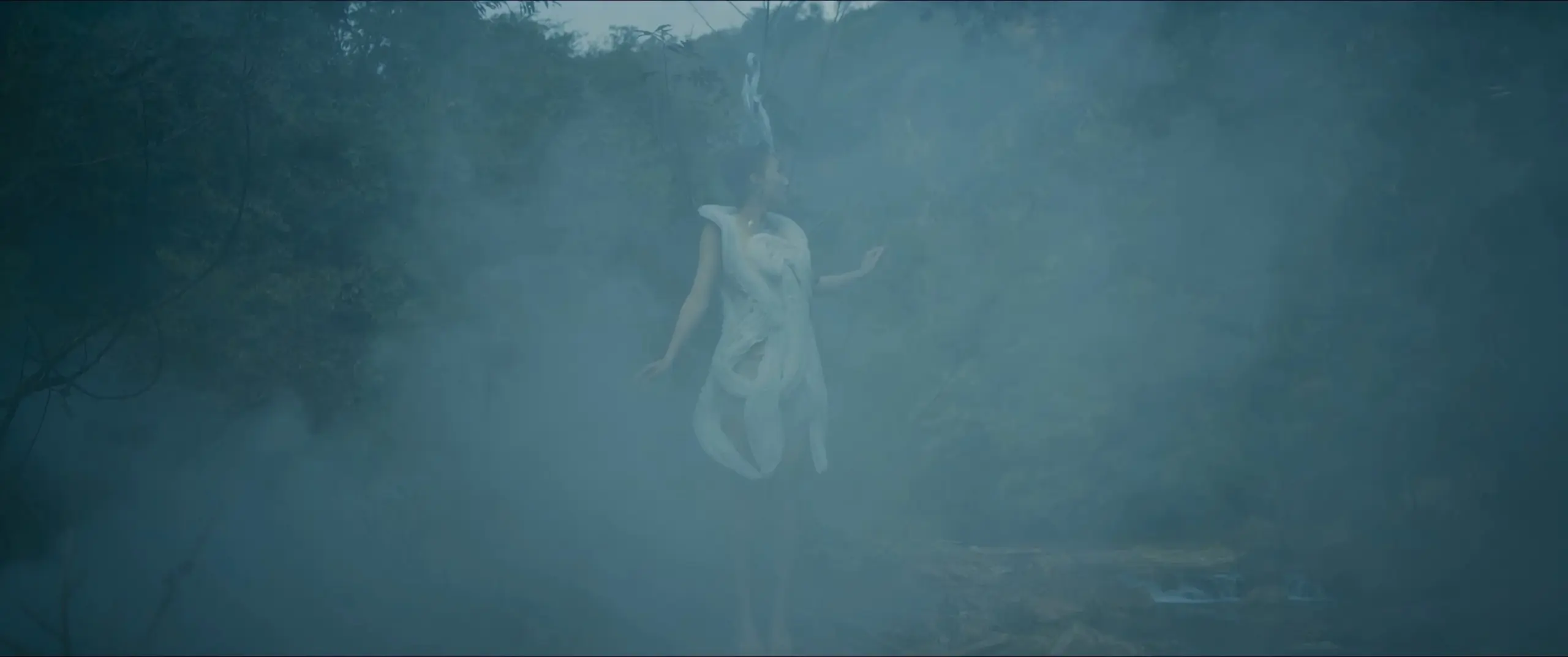
Unfortunately, such a wide variety of styles seems to amount to a succession of visually attractive sequences rather than the result of narrative consistency. The story lacks cohesion, and many scenes appear entirely inconsequential. At one point, for instance, the film takes the viewer to a nightclub, into which a young man presented as a significant character enters. He exchanges greetings with others, whereupon the scene suddenly cuts away and we never return to it. On several occasions Shi also slows his film down excessively; even the opening credits run to approximately seven minutes, accompanying a shot of a mountain road observed through the window of a moving car. On one level they establish an atmosphere — calling to mind the title sequence of Apichatpong Weerasethakul’s Blissfully Yours — but this slow cinema mood appears only occasionally thereafter, creating the impression of artificial padding rather than a natural element of the chosen aesthetic. At times Shi also loses himself in dialogue; a particularly long conversation between Bianju and Xiongmao by a campfire, full of strained poeticism and obvious musings, proves a genuine test of the viewer’s patience.
All the Way to the Endless is interesting precisely because it is a derivative film whose derivativeness is conscious and deliberate. It is a portrait of a man who lives among cinematic images, which is why the quotations from Wong, the scenes reminiscent of Weerasethakul or Gan Bi, the black-and-white fantasies, the operatic interludes, and other such elements are an important part of the protagonist’s psyche. Yet it is equally difficult not to criticize the film’s incoherence. Its greatest strength and its greatest weakness are, in effect, the same: almost everything we watch seems to be a near-random projection of the protagonist’s mind. This makes the film at times hypnotic, but also narcissistic, and its fragmentariness can be read either as a form of introspection or as evidence of a lack of dramaturgical instinct, or as a stream of consciousness largely devoid of meaning. A minor additional flaw is the excess of music, mixing symphonic, pop, children’s, and operatic motifs into a blend that is very discordant and frequently obtrusive.
Watching All the Way to the Endless is therefore a somewhat frustrating experience. On one hand the film is stylistically attractive, full of interesting images and varied ideas; on the other it can be pretentious, chaotic, and wearying. It is worth recommending to fans of independent and poetic cinema, particularly those interested in cinematic self-referentiality and a knowing play with quotation. I do not believe, however, that it is likely to engage viewers outside that circle more broadly.
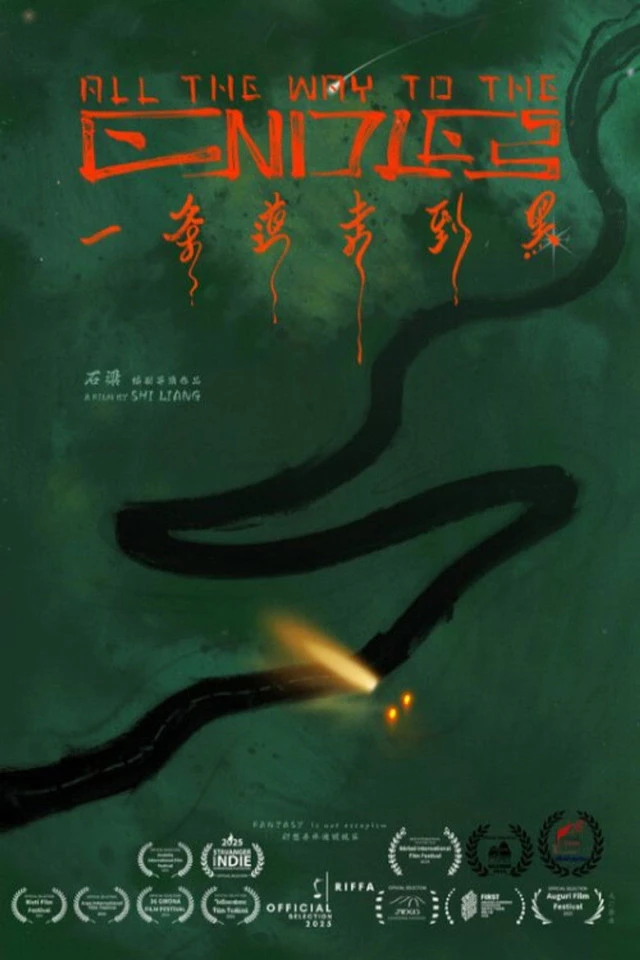
All the Way to the Endless
Yītiáo dào zǒu dào hēi
Direction and screenplay: Liang Shi
Cinematography, music, asst. director: no info
Studio: Shanghai Yuanmen Film Co., Ltd.
Premiere: 25.10.2024
Cast: Wei Zhen, Feng Shi, Mingming Lu, Mire, Yufan, Deji, Soya i inni.
Author of “Panorama of Hong Kong and Taiwan Cinema”, a lover of Asian cinema, action films, and space voyages aboard the starship Enterprise. He once studied Polish philology, and later became a citizen of the NSK State in Time. He has published in Kinomisja, Ekrany, Kultura Liberalna, Torii, Dwutygodnik Kulturalny, and others.