Left-Handed Girl is a deeply personal project for Taiwanese filmmaker Tsou Shih-ching, who spent twenty-five years developing it. During that time, she built an international reputation through her long-standing artistic collaboration with Sean Baker. She produced his Starlet (2012), Tangerine (2015), The Florida Project (2017) and Red Rocket (2021), and co-directed Take Out with him in 2004. Since the early 2000s, however, she had been planning to make a film of her own, inspired by her personal experiences. Difficulties securing financial support delayed its production for many years, but Tsou never gave up and—thanks to the reputation she had established and Baker’s support—finally made her solo directorial debut in 2025.
The central narrative motif of Left-Handed Girl comes from the director’s own life. As a left-handed child, she was reprimanded by her grandfather when he saw her holding a kitchen knife in her left hand. He told her that it was ‘the devil’s hand’. When Tsou attended kindergarten, her teachers forced her to switch to her right hand. Although this experience forms the core of the production, it is not its only subject. It was placed within the framework of the familial and financial difficulties faced by the film’s three protagonists. These, too, were inspired by real events.
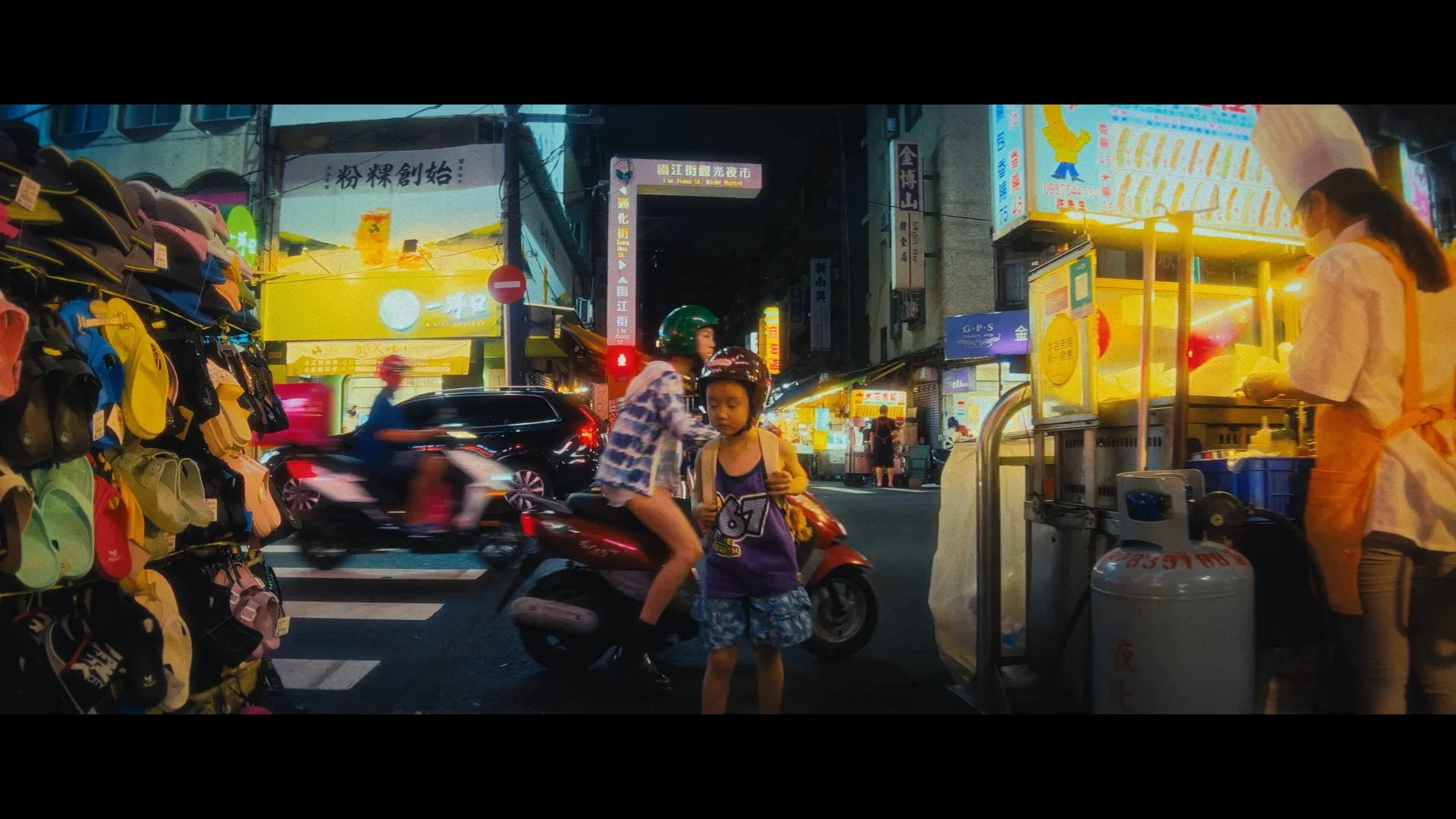
In 2010, Tsou and Sean Baker—who is also the co-writer, co-producer and editor of Left-Handed Girl—came to Taipei, where they visited several night markets. One of these was Tonghua Night Market. There, they saw a small girl moving freely between the stalls and her mother working at a stand selling noodles and soup. The final piece of the narrative puzzle was the motif of a mother repaying debts left behind by an irresponsible husband, an idea Tsou drew from the experiences of a friend.
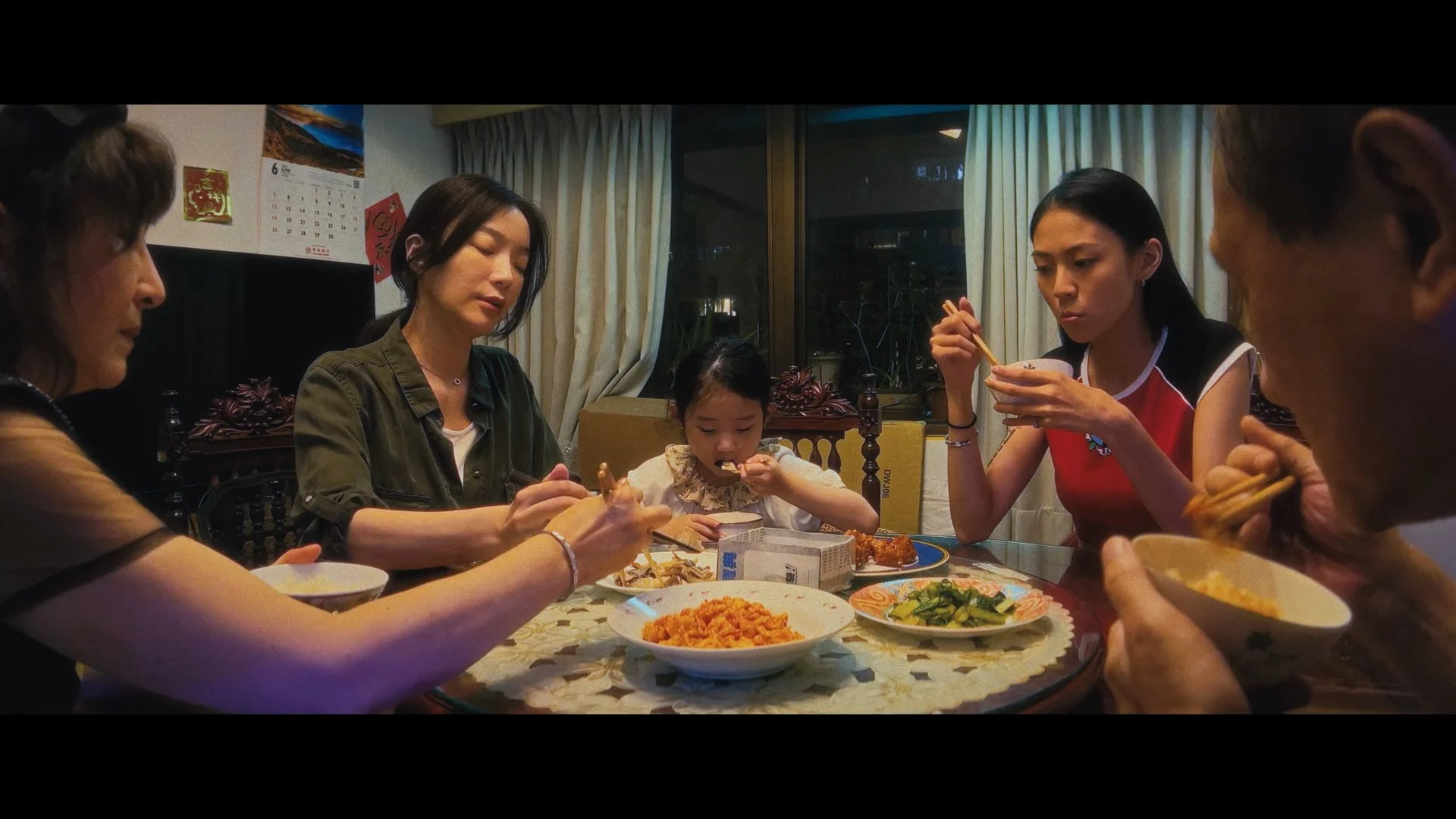
The film concerns a family of three consisting of the mother, Shu-fen, and her daughters: the older I-Ann and the younger I-Jing. We first meet them as they return to Taipei. Shu-fen begins running a noodle stall at a night market, her older daughter works selling areca nuts, while the younger girl attends school during the day and wanders around the market in the evenings. Communication problems between the women soon become apparent, as do their financial difficulties, connected with the debts left by Shu-fen’s husband and his terminal illness. I-Ann begins a sexual relationship with the owner of the shop where she works. Meanwhile, her traditionalist grandfather forbids I-Jing from using her left hand, calling it ‘the devil’s hand’. Believing that her hand is controlled by evil forces, the girl begins using it to steal.
Left-Handed Girl uses the family’s experiences to weave a multilayered narrative about economic pressures, intergenerational relationships, the burden of patriarchal tradition and family secrets. Tsou initially suggests the latter through subtle reactions and misunderstandings, later through information about unfulfilled ambitions, before finally allowing them to explode in a cathartic finale that combines the conventions of Taiwanese soap operas with the director’s inspiration from Mike Leigh’s Secrets & Lies (1996).
Among the undeniable strengths of Left-Handed Girl are the remarkable candour and visual richness with which it depicts life in Taiwan. The night markets, shops, clubs and flats are presented with a strong sense of realism. Tsou worked with a small crew that shot the film using iPhones. This gave her considerable mobility and allowed her to avoid disrupting the natural rhythm of Tonghua Night Market. Furthermore, many scenes are presented from the perspective of the young I-Jing, which meant that the iPhones were frequently held fairly low and consequently attracted little attention from passers-by. The discreet nature of the filmmakers’ approach is confirmed by the fact that random people would sometimes walk up to the noodle stall during filming and order food, unaware that they had entered a film set.
Another strength is the cast. The actresses playing the three principal roles are simply superb. Janel Tsai, who portrays Shu-fen, is a well-known actress in Taiwan, strongly associated with domestic dramas and television series. She had, however, been looking for an opportunity to play a different kind of character from those she was usually offered. Tsou gave her the role of a world-weary woman with clearly visible flaws, which the actress immediately accepted.
The director discovered Ma Shih-yuan, who plays I-Ann, on Instagram. She found her through the hashtag ‘Taiwanese girl’ and—as she has explained in interviews—immediately perceived in Ma a combination of strength and inner chaos that seemed ideal for the role. Ma is dazzling on screen, as confirmed by her winning the Best New Performer award at the Golden Horse Awards.
On the one hand, her I-Ann resembles the archetypal rebellious and defiant young woman, but at the same time she possesses an evident strength of character, concealed sadness and powerful frustrations. Although she initially appears unwilling to support her family, this reluctance proves to be a mask. I-Ann is a complex character who combines outbursts of aggression with selfless acts of assistance, while also providing I-Jing with considerable support and acting as her guide and guardian.
The greatest difficulty involved casting the youngest actress. After numerous auditions with different children, the role went to Nina Ye only around a month before shooting began. Ye acquits herself remarkably well in the part.
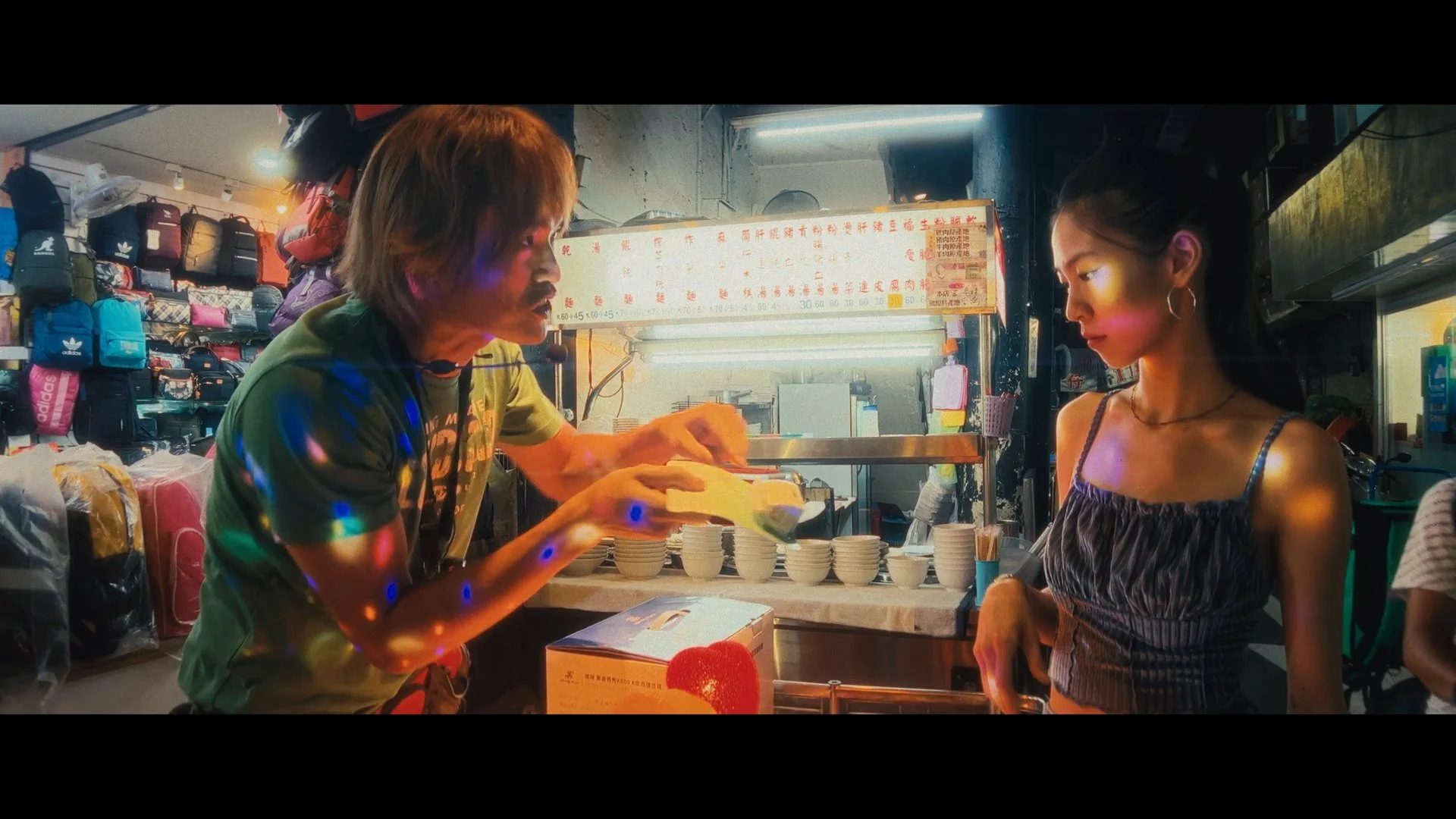
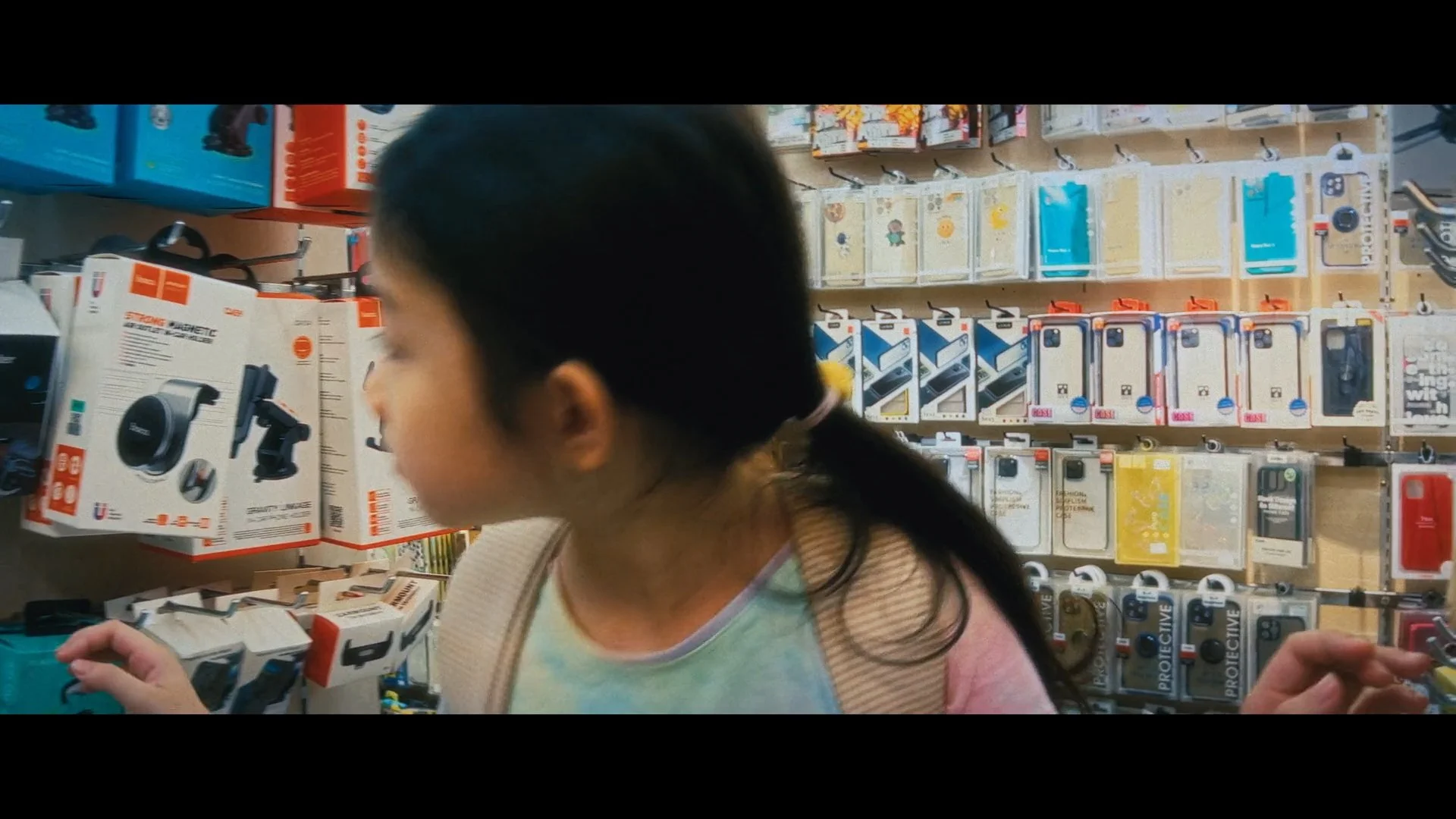
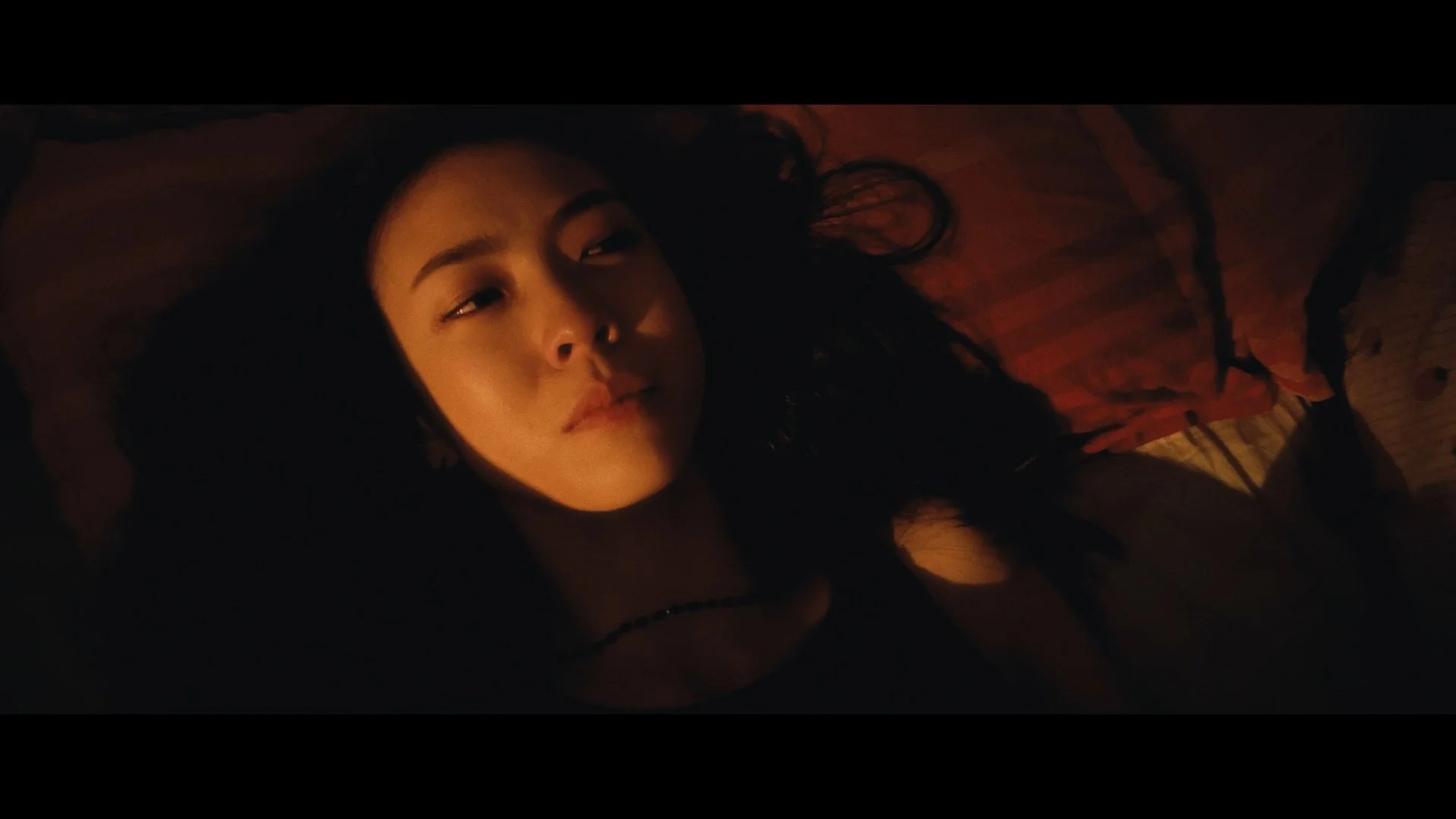
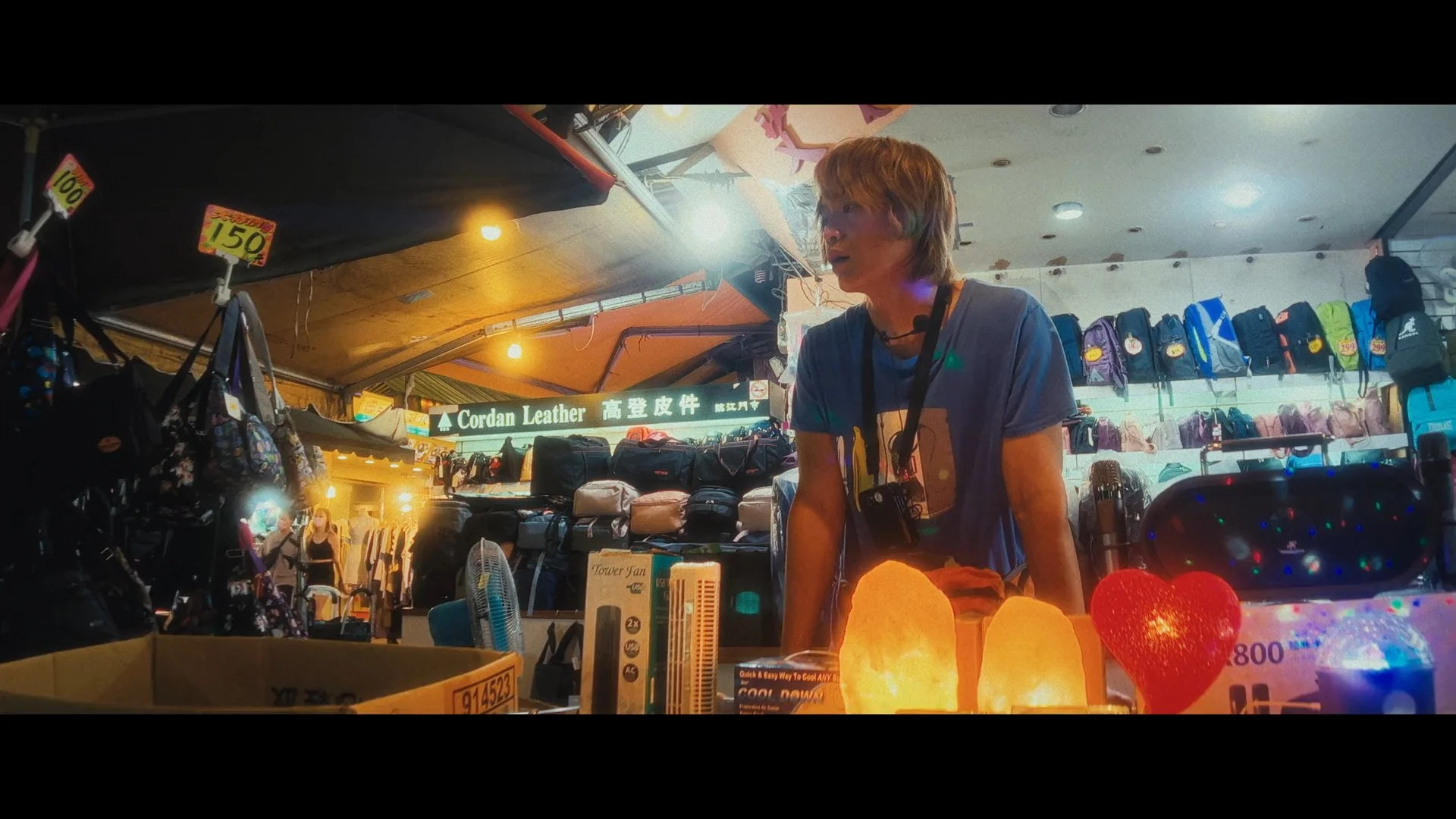
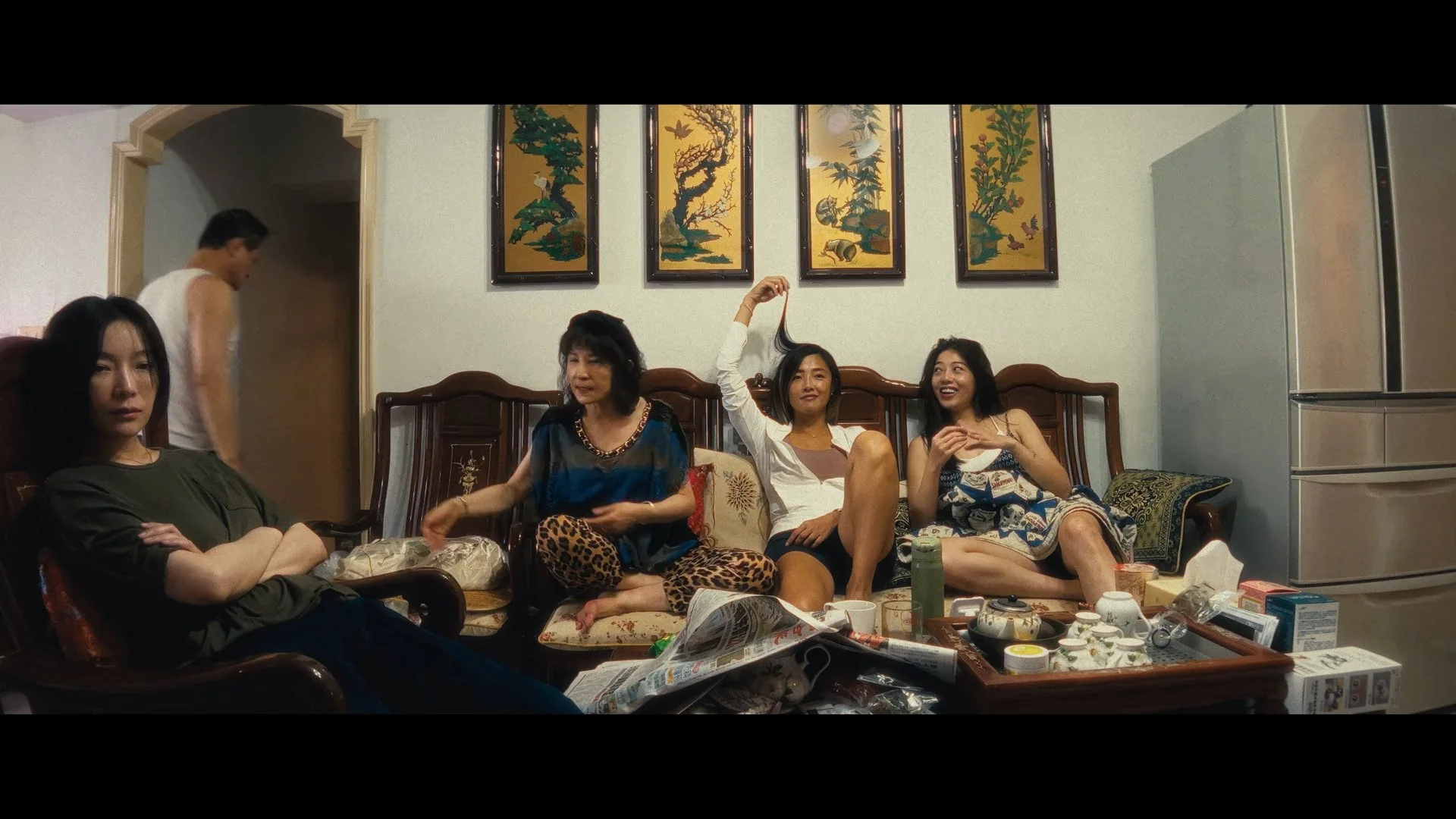
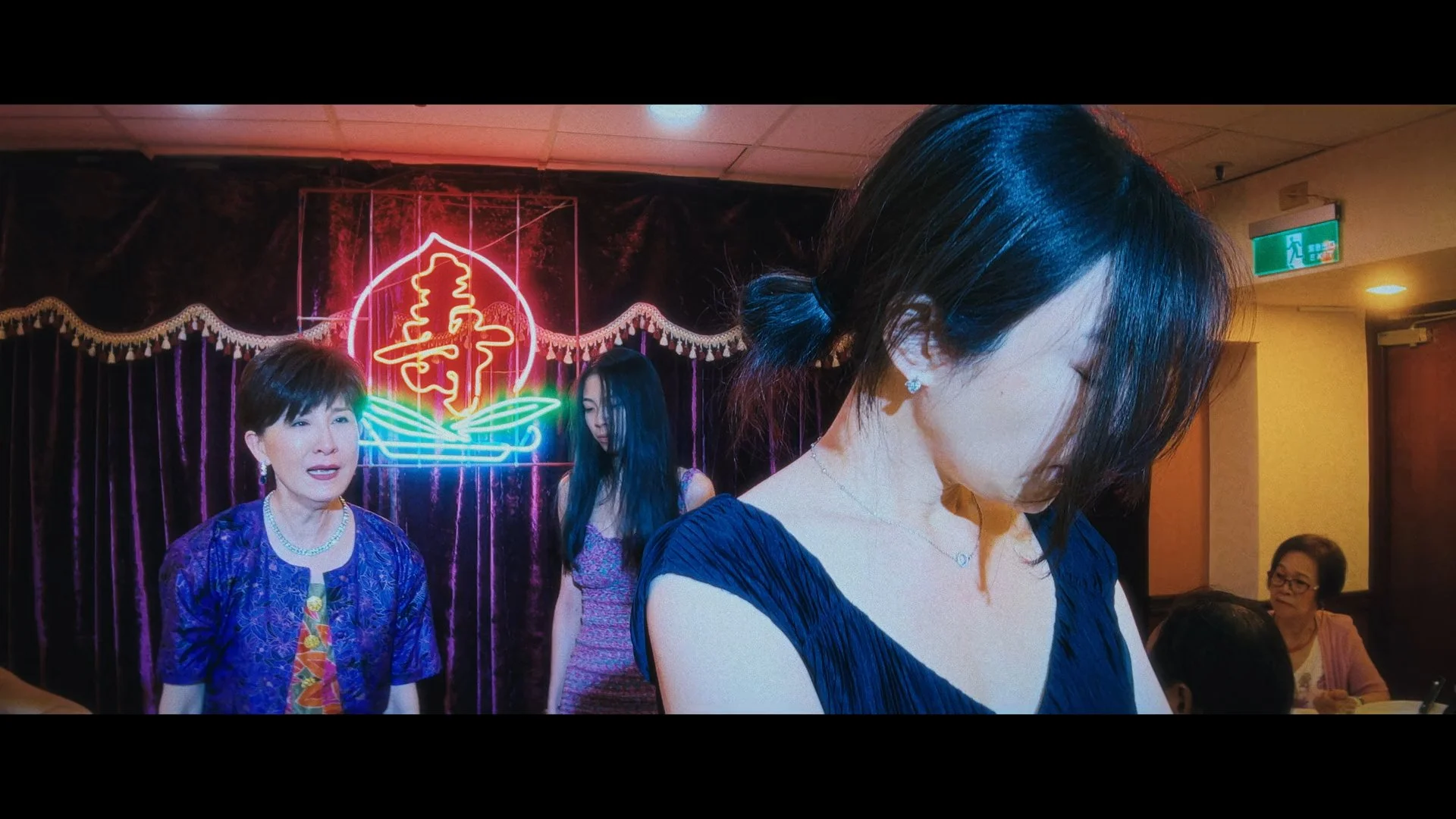
The film has three principal thematic axes. The first is the motif of the titular left-handedness. It is treated metaphorically as a social aversion—or, more precisely, an aversion rooted in a traditional patriarchal order—to everything perceived as different. Tsou’s treatment of the subject is ingenious, while its clarity also makes it highly accessible and straightforward.
The second axis concerns how the meaning of the metropolitan landscape changes according to the perspective from which it is observed. The night market and the areca-nut shop are presented from three different points of view. For the mother, the market is a place where she fights to support herself and survive economically in a world in which she frequently encounters greed, a lack of compassion and inequality, particularly that based on gender.
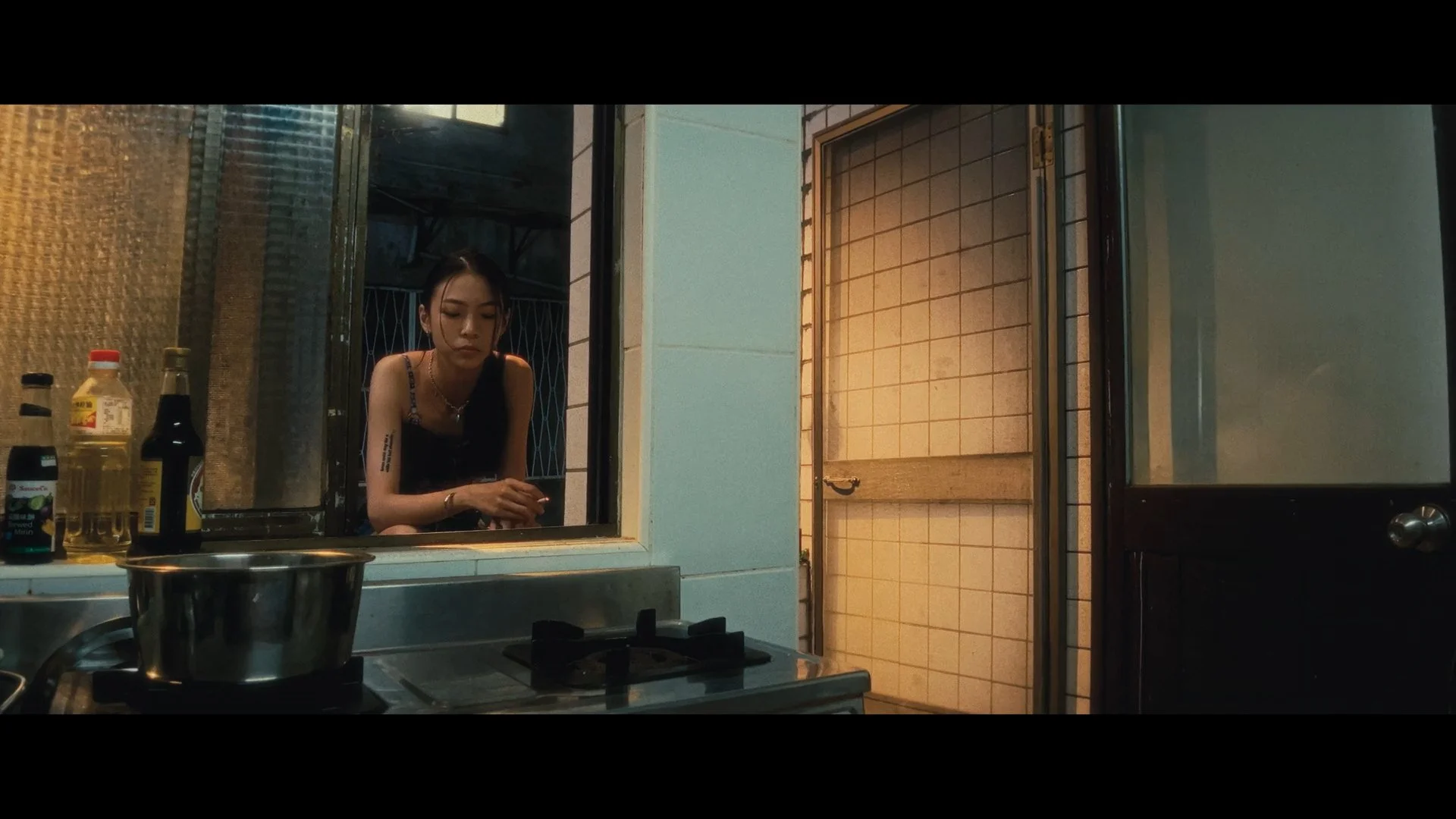
For the older daughter, it is a place of shame—partly because she never completed university—and of attempts to achieve independence through employment, but also of sexualisation. As an exceptionally attractive young woman, she is harassed by customers and enters into an affair with her employer, who conceals the fact that he is married.
For the younger daughter, meanwhile, the night market is a kind of playground: a semi-mystical labyrinth filled with secrets, energy and colour.
The third axis, finally, concerns the lives of women under patriarchal pressure. Tsou avoids a simplistic model of good women opposed to bad men. Patriarchy does not operate here exclusively through men, but also through women who have been shaped by it and reproduce its logic through everyday gestures, judgements and family hierarchies.
The film therefore includes negative female characters, such as the wife of I-Ann’s employer, while Shu-fen’s selfish sisters and her greedy mother, who unfairly favours her son, are presented in a more ambivalent light. Even the principal characters are not idealised. Shu-fen is frequently exhausted by life, sometimes excessively submissive and occasionally vulnerable to temptation. I-Ann’s deep frustrations can push her towards self-destructive behaviour, while I-Jing, in her childish naivety, allows herself to be persuaded that her left-handedness has ‘diabolical’ origins, leading her to commit petty thefts.
At this point, it is worth examining I-Ann’s work at a stall selling bīnláng, or areca nuts, in slightly greater detail. They are a popular stimulant in Taiwan, chewed particularly by drivers and manual labourers. This is not a neutral workplace: Taiwan’s betel-nut retail culture is connected with the working-class economy of the night-time street, the male gaze and the phenomenon of the so-called ‘betel-nut beauties’—scantily dressed young women who sell the stimulant from glass-fronted, neon-lit kiosks.
Tsou is therefore using not merely a piece of local colour, but a space in which labour, sexualisation and economic pressure intertwine. Moreover, I-Ann’s choice of employment emphasises the limited professional opportunities available to a young woman who never attended university and complements the character’s self-destructive tendencies.
The men appearing in the film are portrayed somewhat one-dimensionally and, for the most part, in a more or less negative light, although there is also a positive male character. They are not, however, the object of Tsou’s interest, so their reduction to the background is a natural consequence of the chosen subject. More troubling is the accumulation of problems and secrets, culminating in a finale that is slightly too melodramatic. At the same time, it is also profoundly Taiwanese and strongly reminiscent of the numerous secrets and communication problems that filled classic works belonging to the wenyi pian tradition, including those produced in Hong Kong.
Before concluding the review, I cannot ignore the question of Sean Baker’s possible influence upon Left-Handed Girl. The production possesses characteristics associated with his work—familiar from such films as The Florida Project and Tangerine—including its editing style, its interest in the working class, its use of a child’s perspective and its street-level energy.
Despite these similarities, and despite the considerable universality of its message, the film is also thoroughly Taiwanese in its cast, locations, themes and narrative choices, as well as being deeply inspired by Tsou’s personal experiences. In interviews, the filmmakers have emphasised that Baker would not be the filmmaker he is without Tsou’s influence, and Tsou would not be herself without Baker’s, thereby underlining the symbiotic nature of their relationship.
Left-Handed Girl is not only one of the more interesting Taiwanese films of recent years, but also one of the more accomplished contemporary family dramas in world cinema. It is an exceptionally successful solo directorial debut from Tsou Shih-ching, filled with sincere emotion and a vivid, visually rich depiction of Taipei. It is stylistically and thematically intriguing and features an excellent cast. Its melodramatic finale may prove grating, but as an element of the local dramatic tradition it strengthens the film’s ‘Taiwaneseness’, allowing it to preserve both its distinctively local character and its universal message.
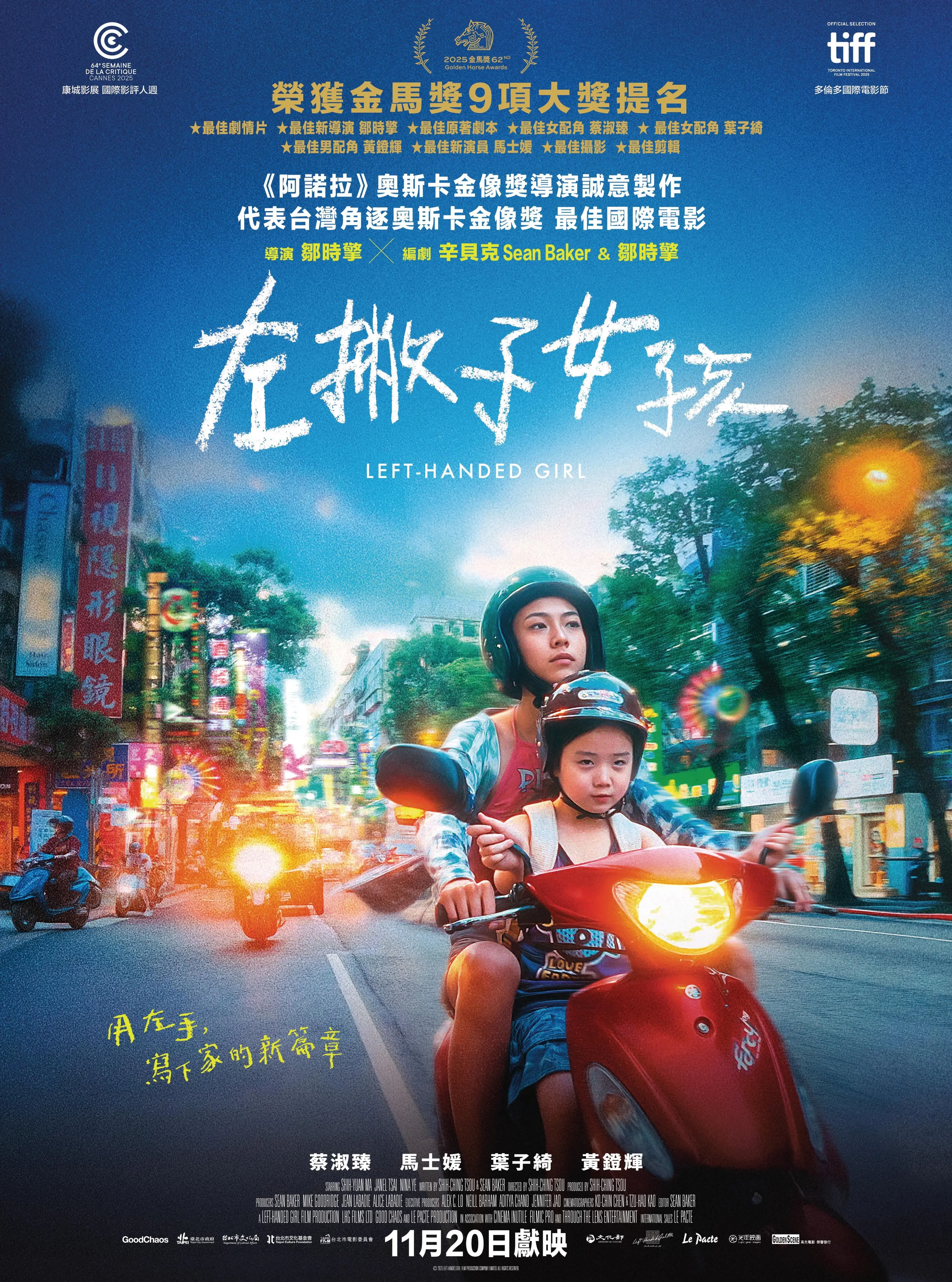
Left-Handed Girl
Zuǒpiēzǐ nǚhái
Direction: Tsou Shih-ching
Written by: Sean Baker, Tsou Shih-ching
Cinematography: Chen Ko-chin, Kao Tzu-hao
Music: film uses selected songs only
Asst. director: Hsieh Hung-li
Studio: LHG Films, Le Pacte, Cinema Inutile, Filmic, Through the Lens Entertainment, Good Chaos, Left-Handed Girl Film Productions
Premiere: 15.05.2025
Cast: Ma Shih-yuan, Janel Tsai, Nina Ye, Brando Huang, Akio Chen, Chao Xin-yan, Hsia Teng-hung, Alvin Lin, Blaire Chang
Awards:
– Cannes Critics’ Week — Gan Foundation Award and Rail d’Or
– Golden Horse — Best New Performer for Ma Shih-yuan
– Taipei Film Awards — Best New Performer and Best Editing
– numerous other awards in Oslo, Rome, Stockholm and more.
Author of “Panorama of Hong Kong and Taiwan Cinema”, a lover of Asian cinema, action films, and space voyages aboard the starship Enterprise. He once studied Polish philology, and later became a citizen of the NSK State in Time. He has published in Kinomisja, Ekrany, Kultura Liberalna, Torii, Dwutygodnik Kulturalny, and others.