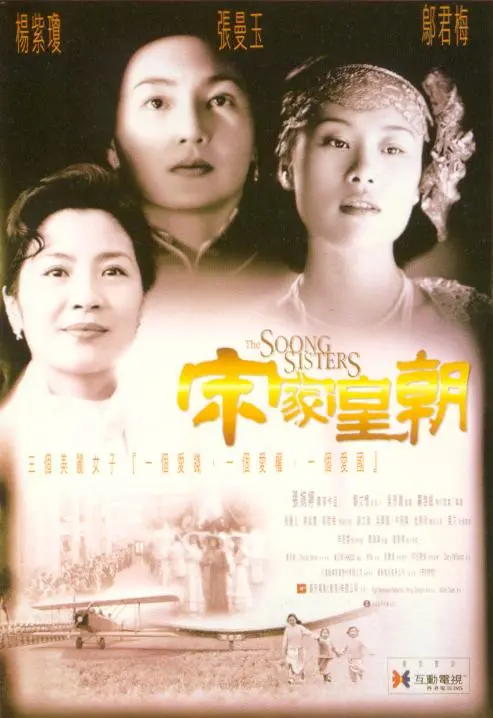
The Soong Sisters
宋家皇朝 / Song jia huang chao
[lit.: The Court of Sung Sisters]
Director: Mabel Cheung Yuen-Ting
Screenplay: Alex Law Kai-Yuk
Cinematography: Arthur Wong Ngok-Tai
Editing: Fung Mei
Music: Kitaro, Randy Miller
Studio: Golden Harvest
Cast: Maggie Cheung Man-Yuk, Vivian Wu Junmei, Michelle Yeoh, Winston Chao Wen-Hsuan, Hsing-Guo Wu, Zhen-Hua Niu, Wen Jiang, Elaine Jin, Jin Liu and others.
Hong Kong Film Awards (17th edition)
Nominations:
– Best Film Best Director: Mabel Cheung Yuen-Ting
– Best Screenplay: Alex Law Kai-Yuk
– Best Supporting Actress: Michelle Yeoh
– Best Sound Design
Wins:
– Best Actress: Maggie Cheung Man-Yuk
– Best Supporting Actor: Wen Jiang
– Best Cinematography: Arthur Wong Ngok-Tai
– Best Original Film Score: Kitaro, Randy Miller
– Best Costume & Make Up Design: Emi Wada
– Best Art Direction: Eddie Ma Poon-Chiu
Golden Horse Awards (34th edition)
Nomination:
– Best Cinematography: Arthur Wong Ngok-Tai
Wins:
– Best Original Film Score: Kitaro, Randy Miller
– Best Sound Effects
– Best Art Direction: Eddie Ma Poon-Chiu
– Best Visual Effects: Pioneer Digital Planning Co., Ltd.
The titular Sung sisters (as their surname is more commonly romanized today) are historical figures who were deeply involved in twentieth-century Chinese history and connected to important figures who shaped the country’s politics. The second sister, Rosamund Sung Ching-Ling (Maggie Cheung), was the wife of Yat-Sen Sun (Winston Chao), a revolutionary and founder of the Republic of China, established as a result of the 1911 revolution led against the rule of the Qing dynasty. After her husband’s death, Rosamund became affiliated with the Chinese Communist Party (CCP) and was one of its prominent figures. The youngest of the sisters, Mei-Ling Sung (Vivian Wu), was the wife of Kai-Shek Chiang, generalissimo and leader of the nationalist Kuomintang (KMT) government, and rose to become a significant diplomat during the Second Sino-Japanese War. The eldest sister, Nancy Sung Ai-Ling (Michelle Yeoh), was the wife of banker H. H. Kung (Zhen-Hua Niu), one of the wealthiest men in the country, founder of the first Chinese banks, who financially supported first Sun’s revolution and later the KMT government.
The film opens shortly before the 1911 revolution and moves through the most important events — with an expectedly excessive haste, but always with audiovisual splendor — such as Sun’s death, the split between the KMT and the CCP, the anti-communist purges, the Second Sino-Japanese War, the Xi’an Incident, and the Chinese Civil War. It makes fairly clear that the history of twentieth-century China was primarily a series of revolutions, wars, and conflicts, during which the nation found itself almost constantly between a rock and a hard place, suffering from fratricidal rivalries. In this context, the scene that impressed me most was the student protests outside Chiang’s residence. Chiang, a fierce enemy of the communists, continued to focus on destroying the Communist Party even in the face of Japanese aggression. The students demanded the unification of China — KMT and CCP — so that it could mount a stronger resistance and repel the Japanese invaders. One of the students sets himself on fire during the protest. Chiang’s conduct, though morally reprehensible, also had its own rationale, which he articulated as follows: “To believe in communism before the age of thirty is romanticism; to believe in communism after the age of thirty is stupidity,” and “The Japanese are merely a disease of the skin, while the communists are a disease of the soul.” Interestingly, the film shows that it was his reading of the Bible that inspired him to begin the executions and killings of communists.
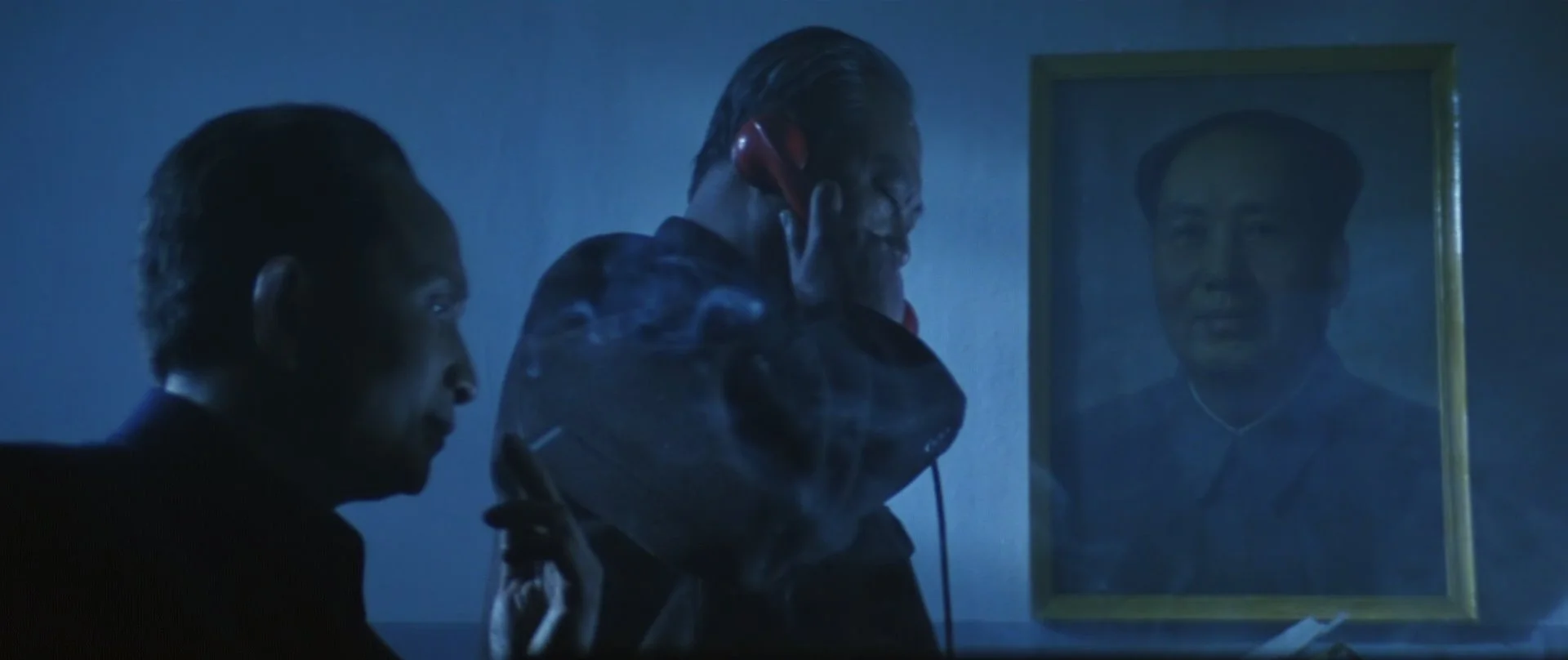
In terms of its portrayal of communism, Cheung and Law exercise considerable caution. They omit entirely the party’s leaders and prominent figures — most notably Mao Zedong, who is entirely absent from the film despite having played, for instance, a significant role during the Xi’an Incident. Instead, the communists are represented through poorer people and Rosamund, who sincerely believed in communist slogans and longed for liberation from tyranny. In one scene, Rosamund says: “Before, we were slaves of old China [the Qing dynasty], and now we are slaves of the slaves of old China [the KMT].”
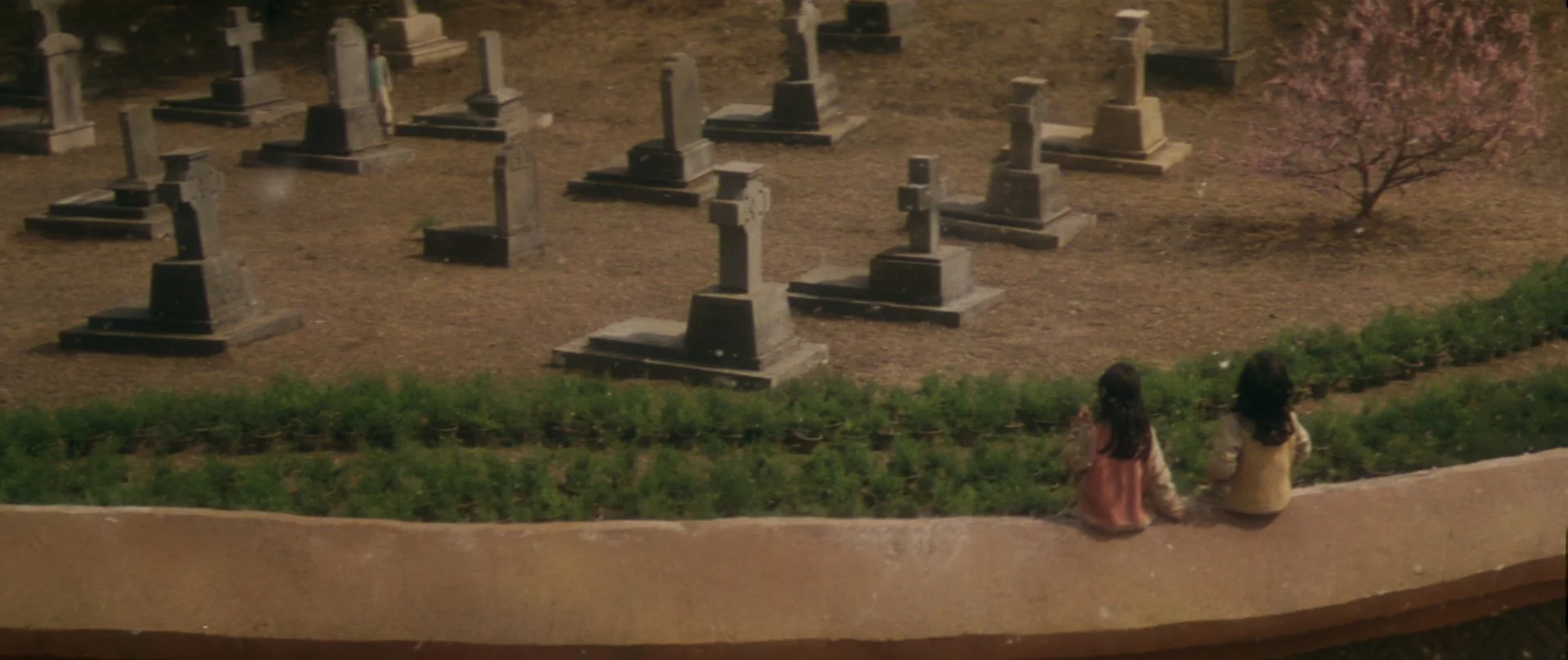
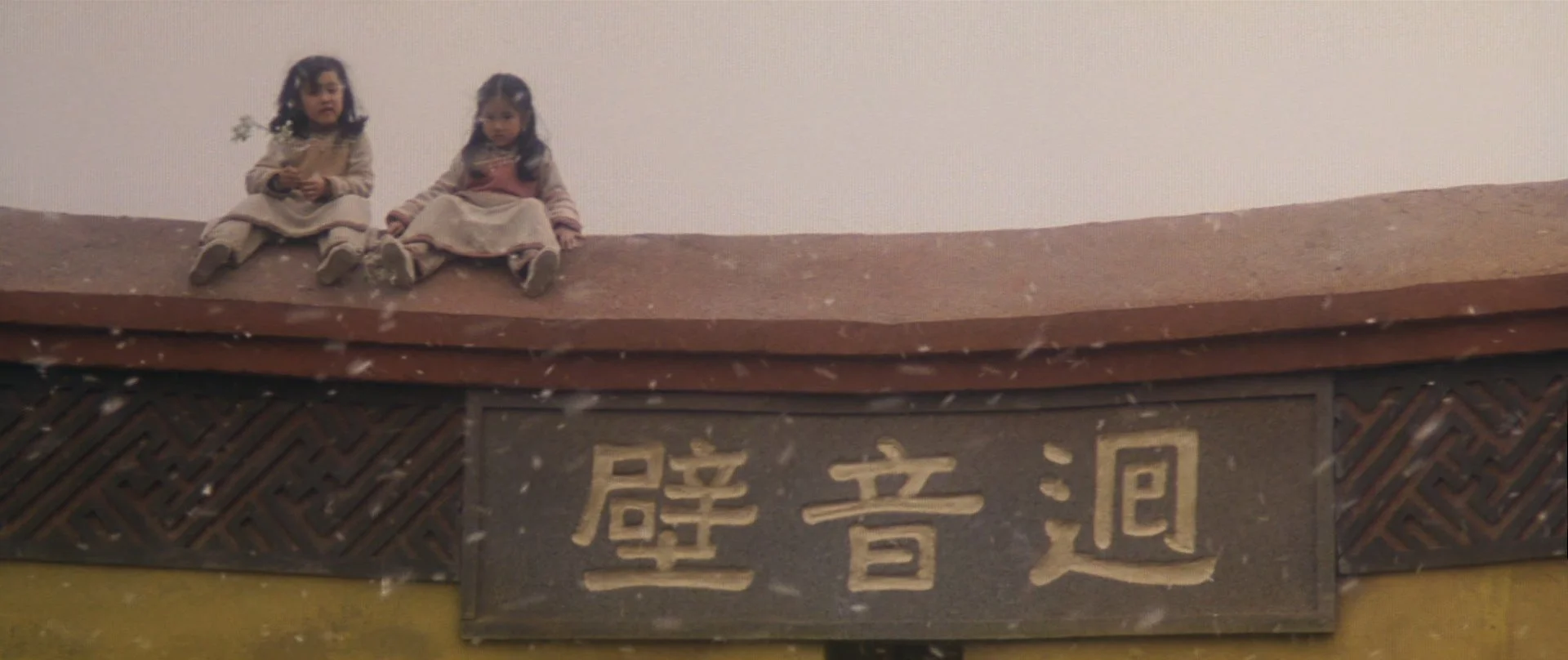
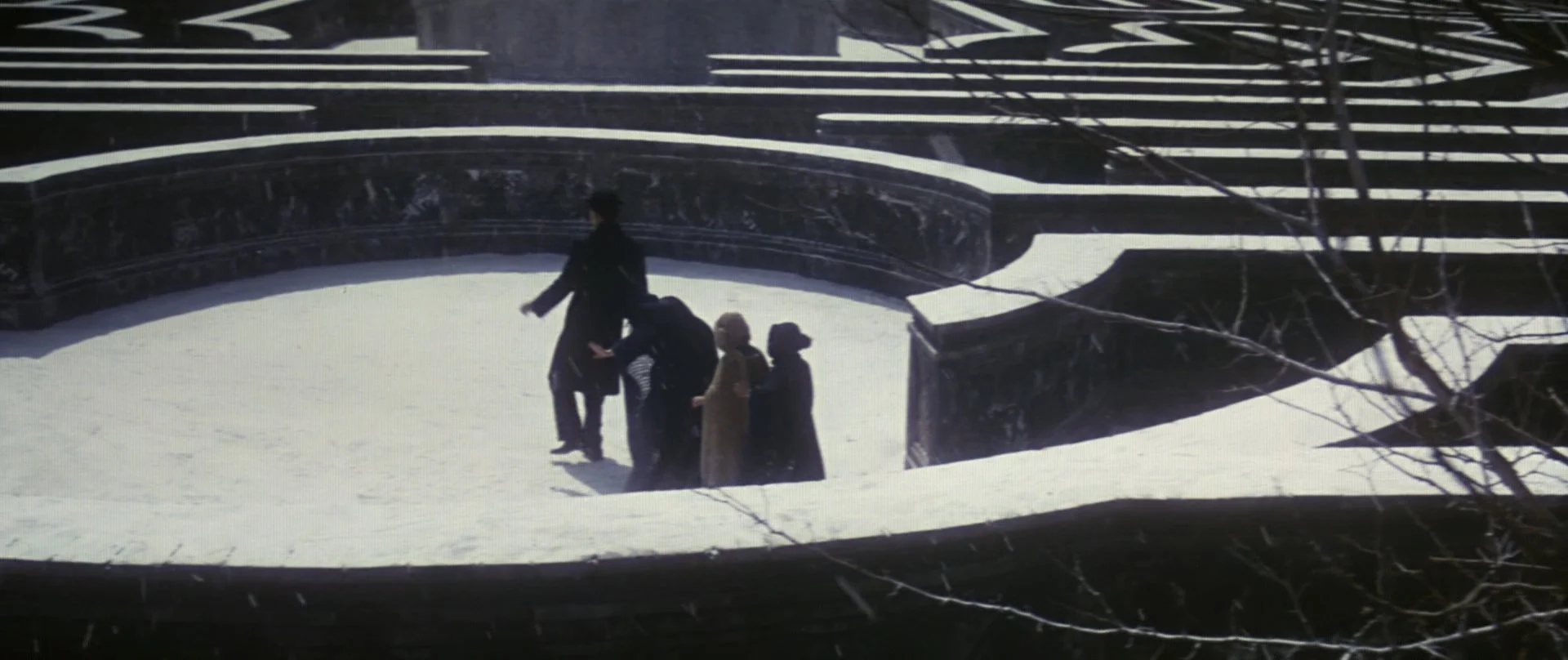
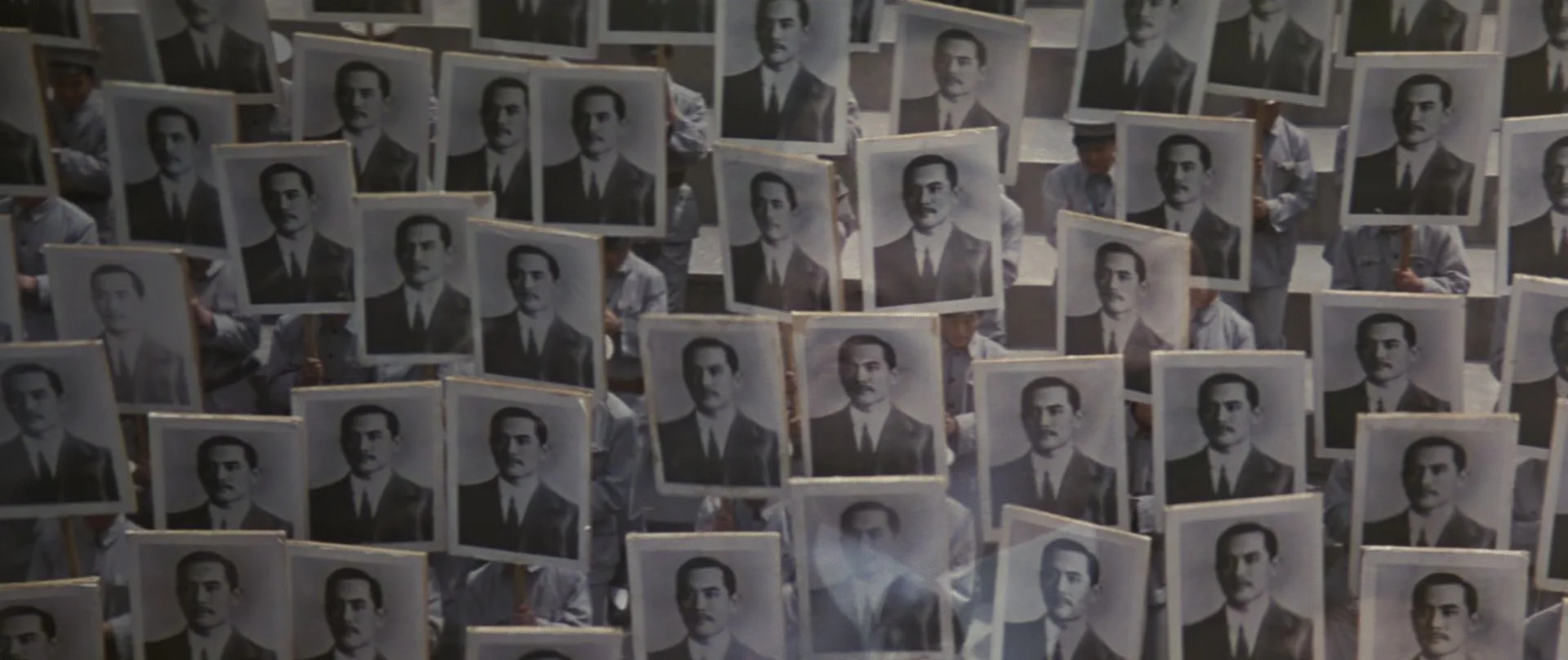
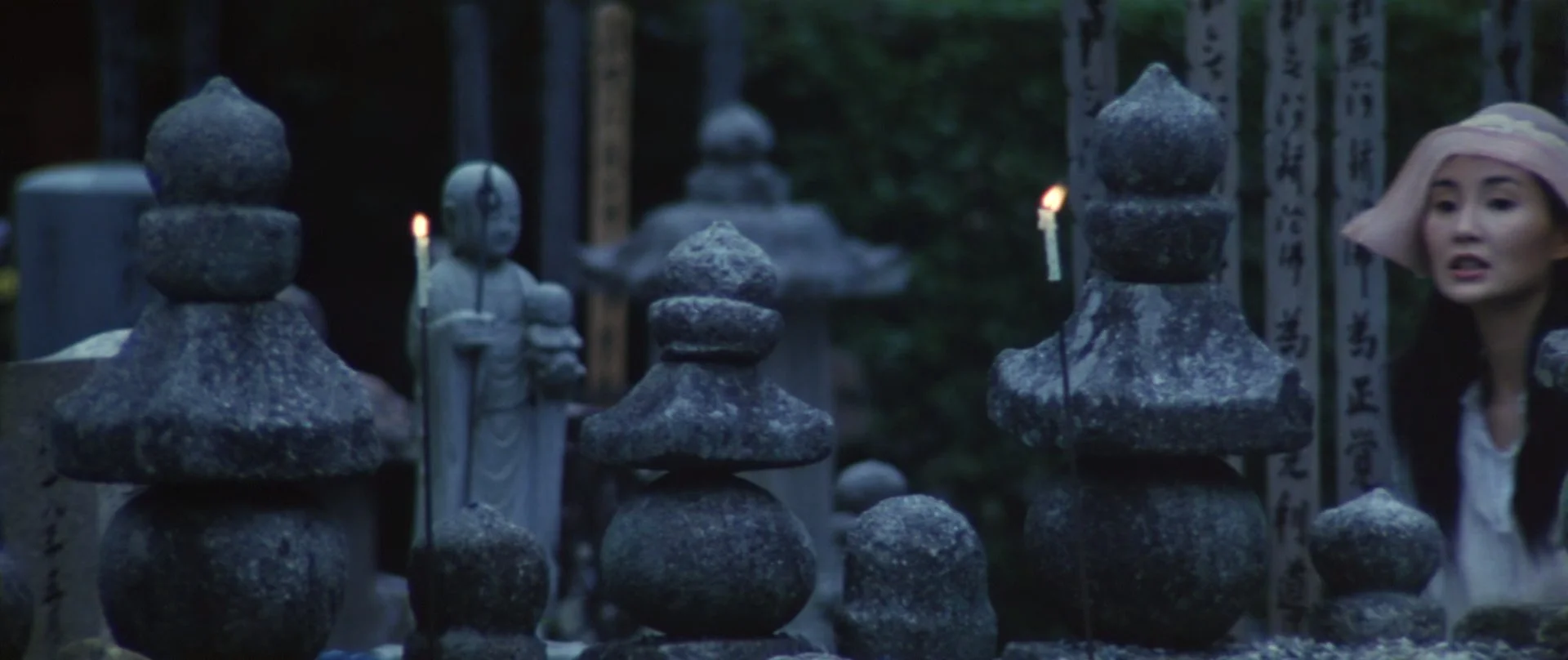
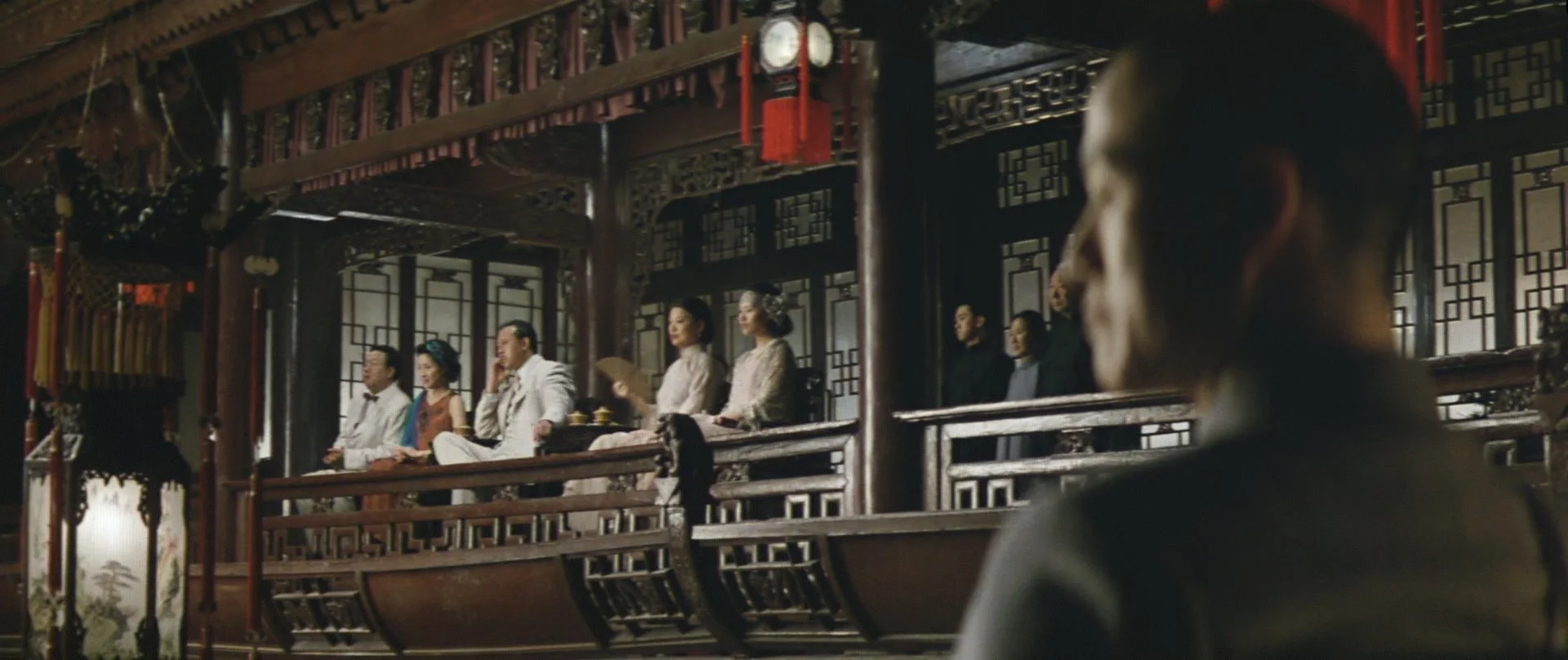
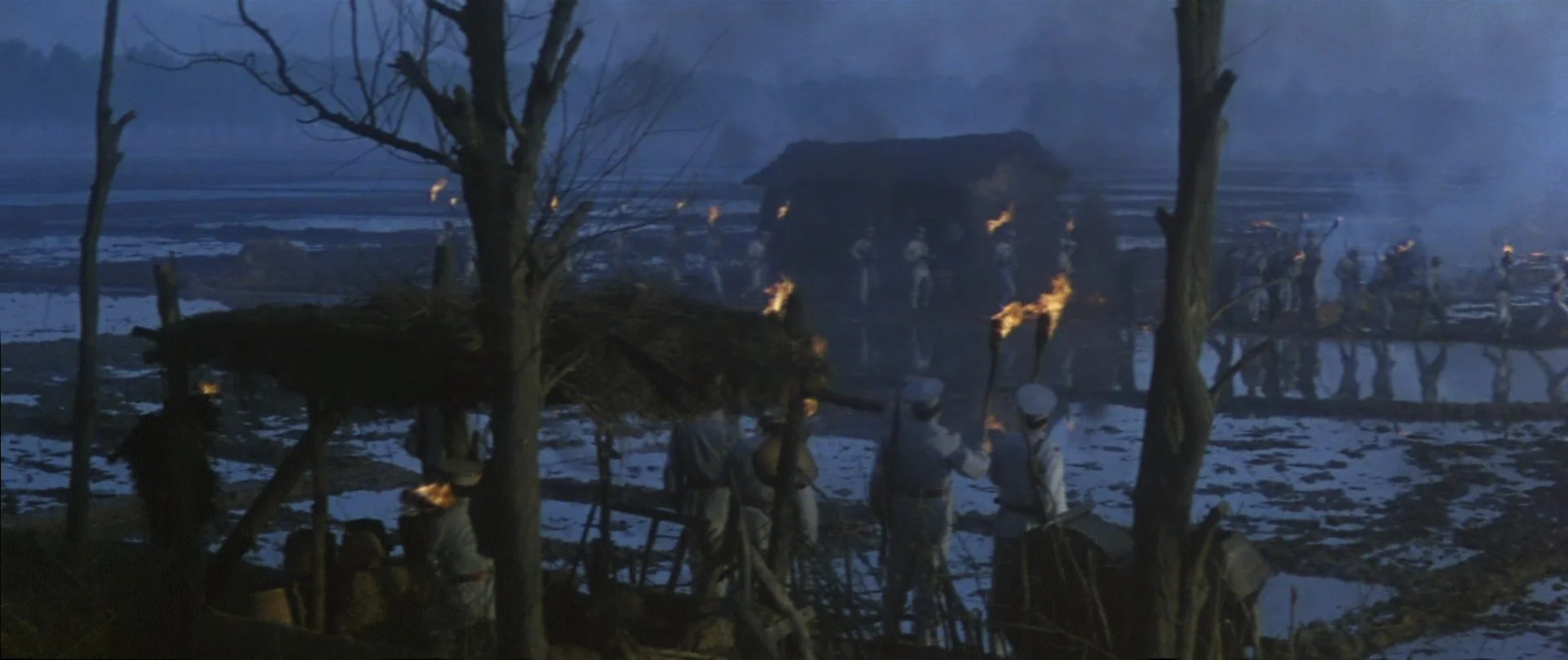
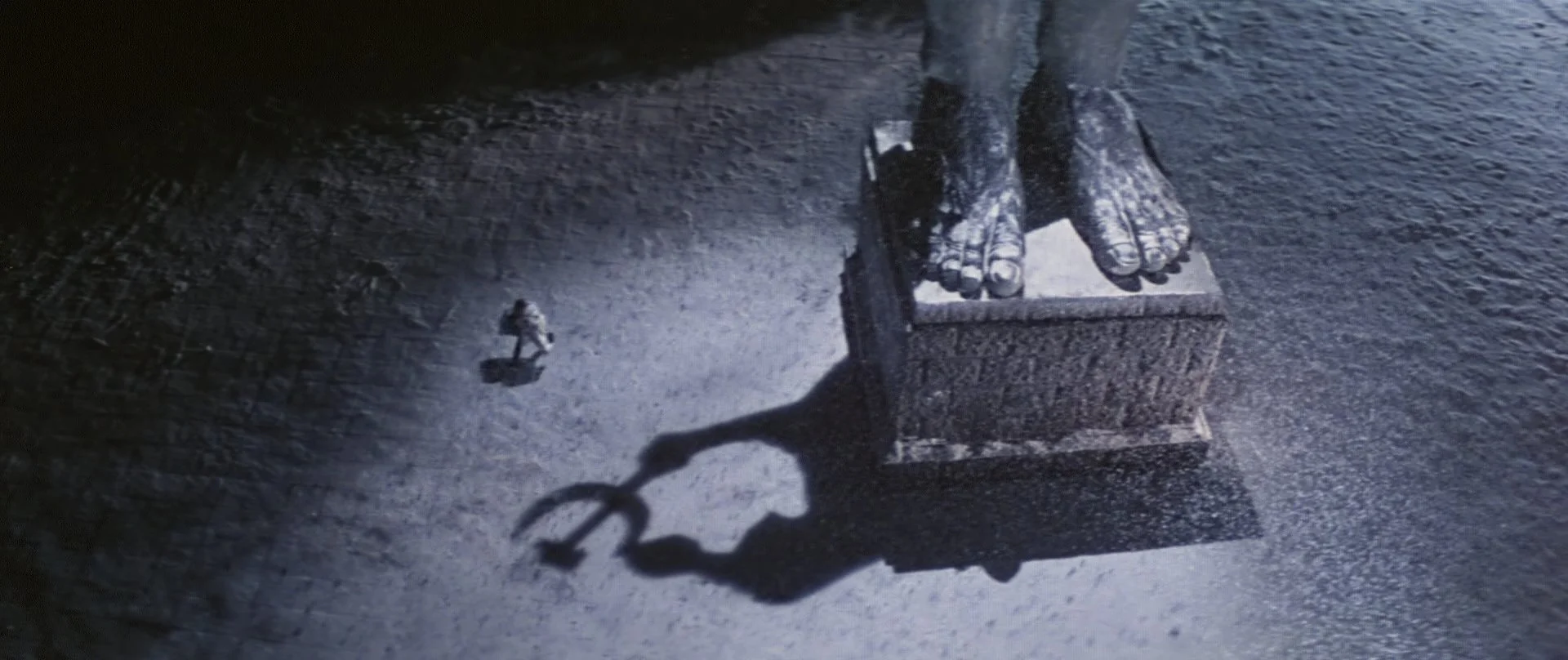
It is worth noting at this point that the film should not be received as cinema of full historical accuracy. The three Sung sisters are used primarily in a symbolic manner, as confirmed, for example, by the fact that not a single word is spoken in The Soong Sisters about their three brothers — they have been completely erased and simply do not exist in the world of the film. The picture also opens with text displayed on screen, appearing in a slightly altered form in the promotional materials as well: “Once upon a time, in a land far away called China, there were three sisters. One loved money, one loved power, and one loved her country.” It sounds unmistakably like the opening of a fairy tale, clearly suggesting that the events presented in the film should not be read literally.
After reading those words, one might expect the production to carry a moralizing tone and perhaps promote patriotic attitudes. I will admit that when I saw that sentence myself, I immediately thought of the moralistic cinema of pre-war Shanghai or post-war Hong Kong. In reality, however, these three loves carry a different allegorical dimension here. Personally, I believe they symbolize the fragmentation of China and of the vision of an ideal nation. The sisters’ father (Wen Jiang) taught them that illness and suffering are the result of poverty (love of money); he was involved in politics and activities directed against the Qing dynasty and the United States, believing that only a position of strength commands the respect of other powers (love of power); and he was a revolutionary who devoted his life and money to building a more just and prosperous China (love of country). All three qualities should therefore coexist, so that “new China” — as the vision of the ideal state is referred to in the film — could actually come into being. Sadly, their unification never occurred; instead, these three loves divided into three incomplete “Chinas”: the People’s Republic of China (Rosamund), Taiwan (Mei-Ling), and Hong Kong (Ai-Ling).
The Soong Sisters is a decidedly interesting film, though its sentimentality and the speed with which it presents events — compressing nearly 40 years into roughly two hours and twenty minutes, while still making room for romantic concerns and the depiction of the complex relationships between the sisters — leave a considerable sense of incompleteness and of skimming the surface of its subjects. Various concessions — such as a softening of the horrors of war — also diminish the production’s emotional impact, though they allowed it to reach a wider audience, which the filmmakers clearly cared about. Where the film never disappoints is in its visual dimension; aside from one scene featuring unconvincing CGI (though perhaps not the worst for 1997), the production looks and sounds dazzling.
Here you can read about the historical sisters, and below you can watch the movie trailer and listen to its soundtrack.
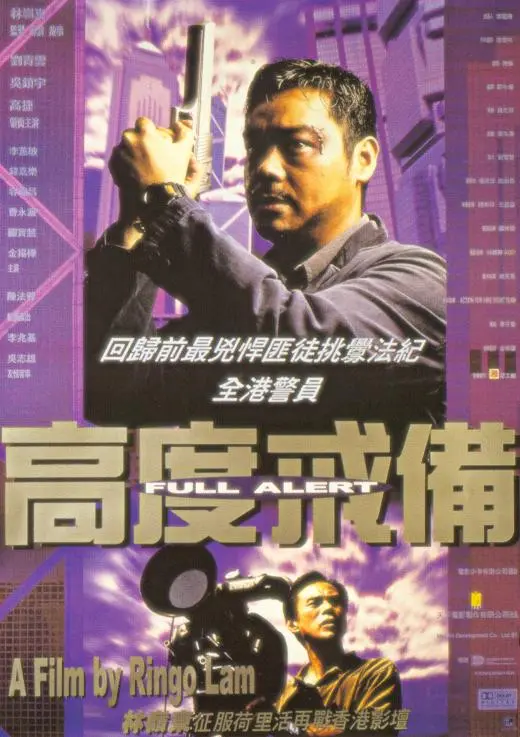
Full Alert
高度戒備 / gou1dou6 gaai3bei6
Director: Ringo Lam Ling-Tung
Screenplay: Sammy Lau Wing-Kin, Ringo Lam Wing-Kin
Cinematography: Andy Lam Kwok-Wah
Editing: Marco Mak Chi-Sin, Angie Lam On-Yee
Music: Peter Kam Pau-Tat
Studio: Brilliant Idea Group Ltd., The Young Filmmakers Ltd.
Cast: Ching-Wan Lau, Francis Ng Chun-Yu, Amanda Lee Wai-Man, Monica Chan Fat-Yung, Jack Kao Kuo-Hsin, Raymond Tso Wing-Lim, Ka-Lok Chin and others.
Hong Kong Film Awards (17th edition)
Nominations:
– Best Film Best Director: Ringo Lam Ling-Tung
– Best Actor: Ching-Wan Lau
– Best Film Editing: Marco Mak Chi-Sin, Angie Lam On-Yee
– Best Sound Design
After his English-language debut, Maximum Risk starring Jean-Claude Van Damme, Ringo Lam returned to Hong Kong, where he got behind the camera of an excellent action crime film that draws on a wealth of local cinema clichés but dips them deep in a neo-noir sauce and seasons them with the political context surrounding the handover of Hong Kong to China. Lam entirely consciously used familiar plot motifs to capture the mood prevailing in the metropolis at the time. Hence, the film is frequently pessimistic, the characters are uncertain of their next steps, everyone is frustrated, everyone is tired, and it seems that no one really feels like doing what they are doing.
Moral ambivalence also dominates the production. The two main characters are police officer Wai Hung Baau (Ching-Wan Lau) and criminal Kwan Mak (Francis Ng). Mak and his accomplices are planning a big heist that will likely remind viewers of Stanley Kubrick’s The Killing. To this end, he kills an architect; the discovery of the body opens the film. Shortly afterwards, Baau and his unit arrest the murderer, but Mak’s partners decide to break him out, which puts the police into the titular state of full alert.
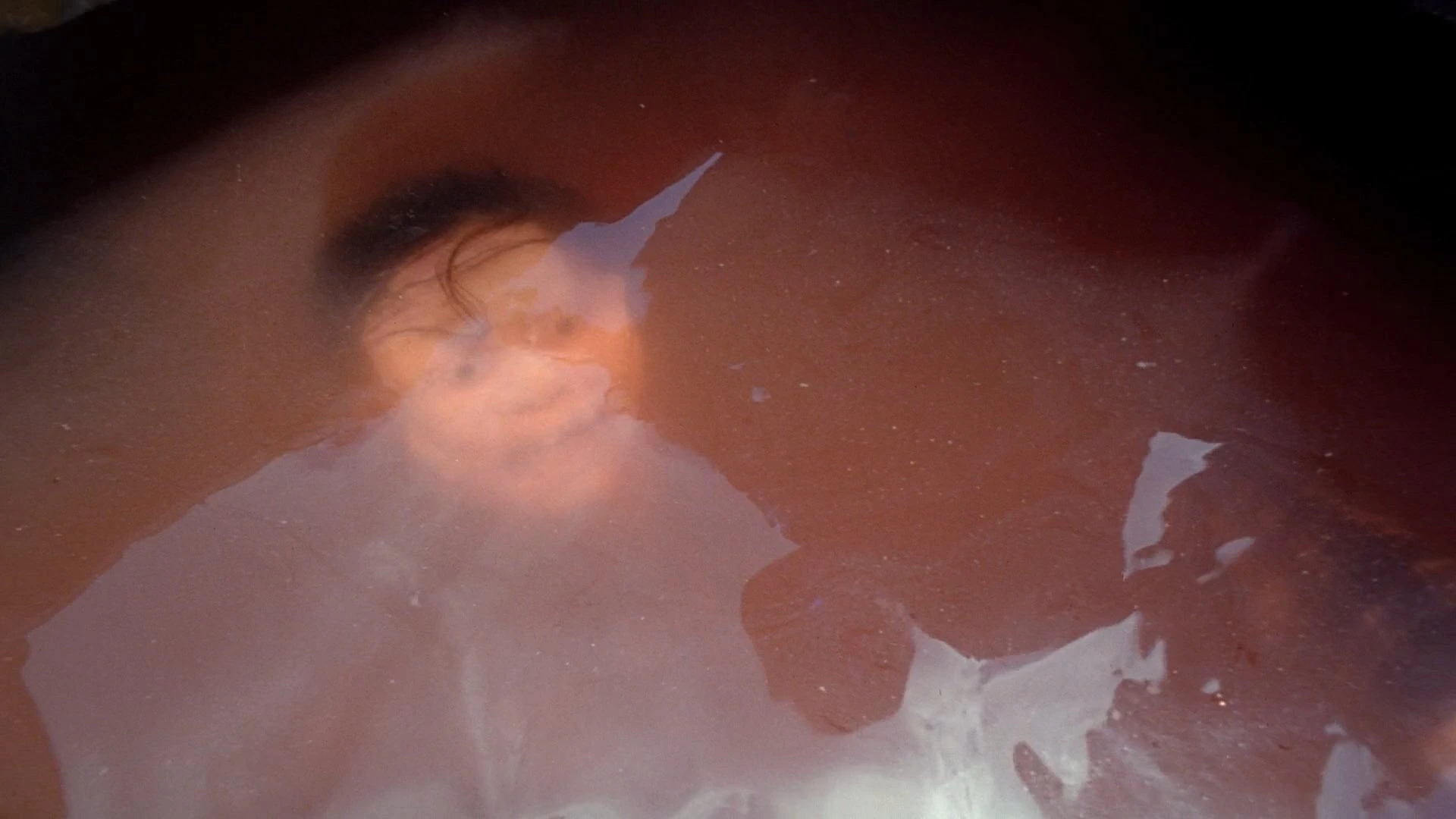
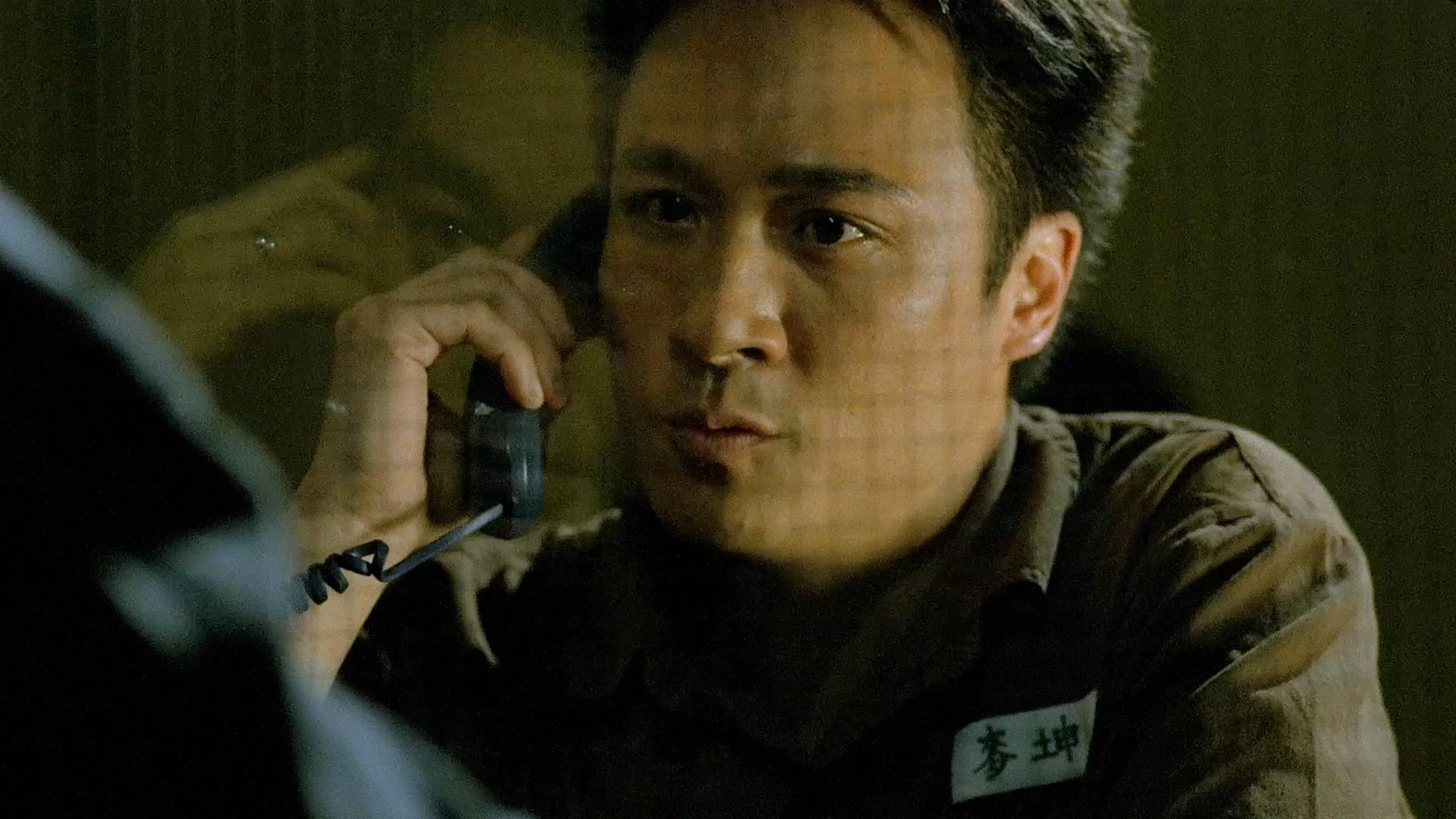
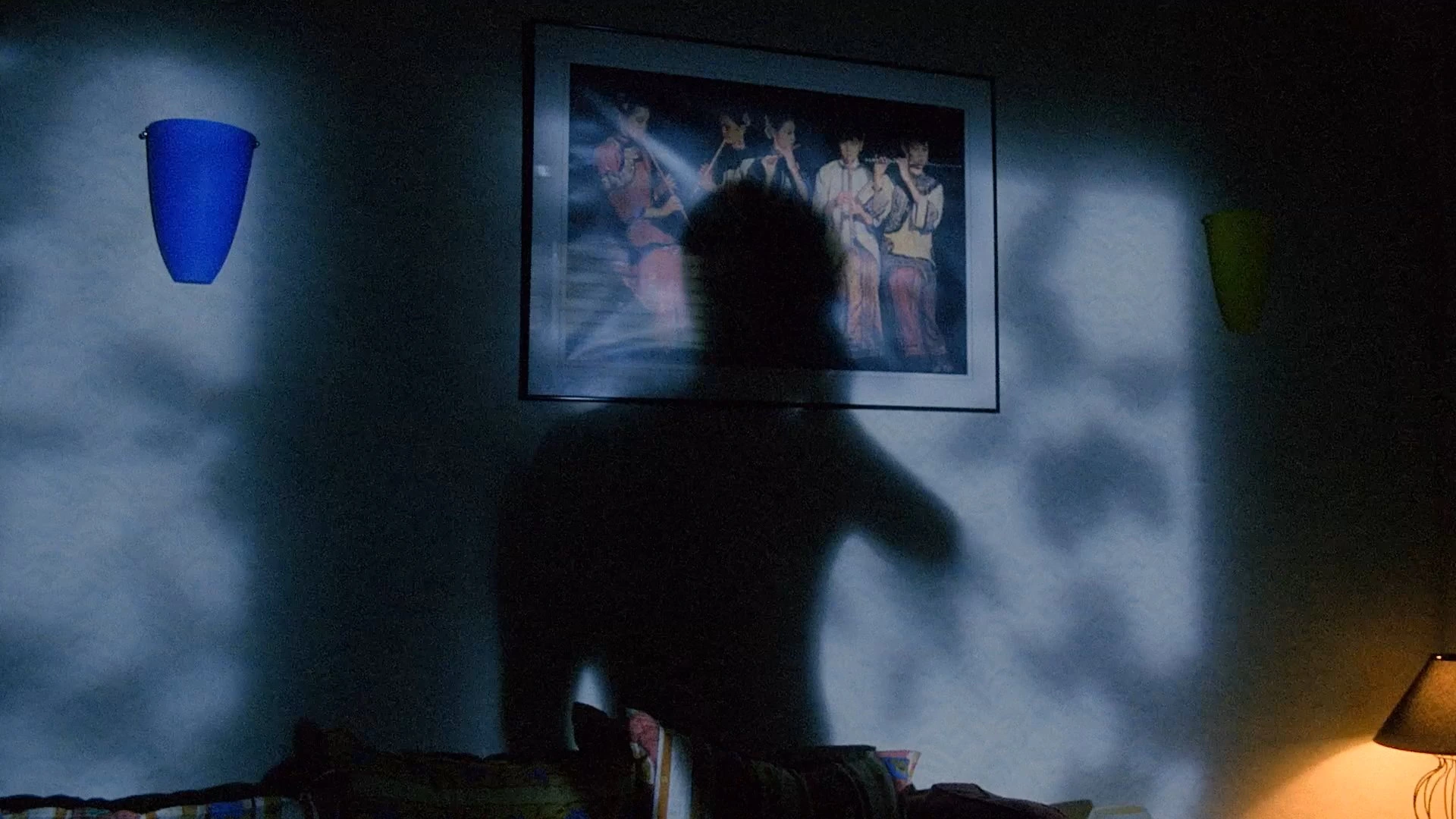
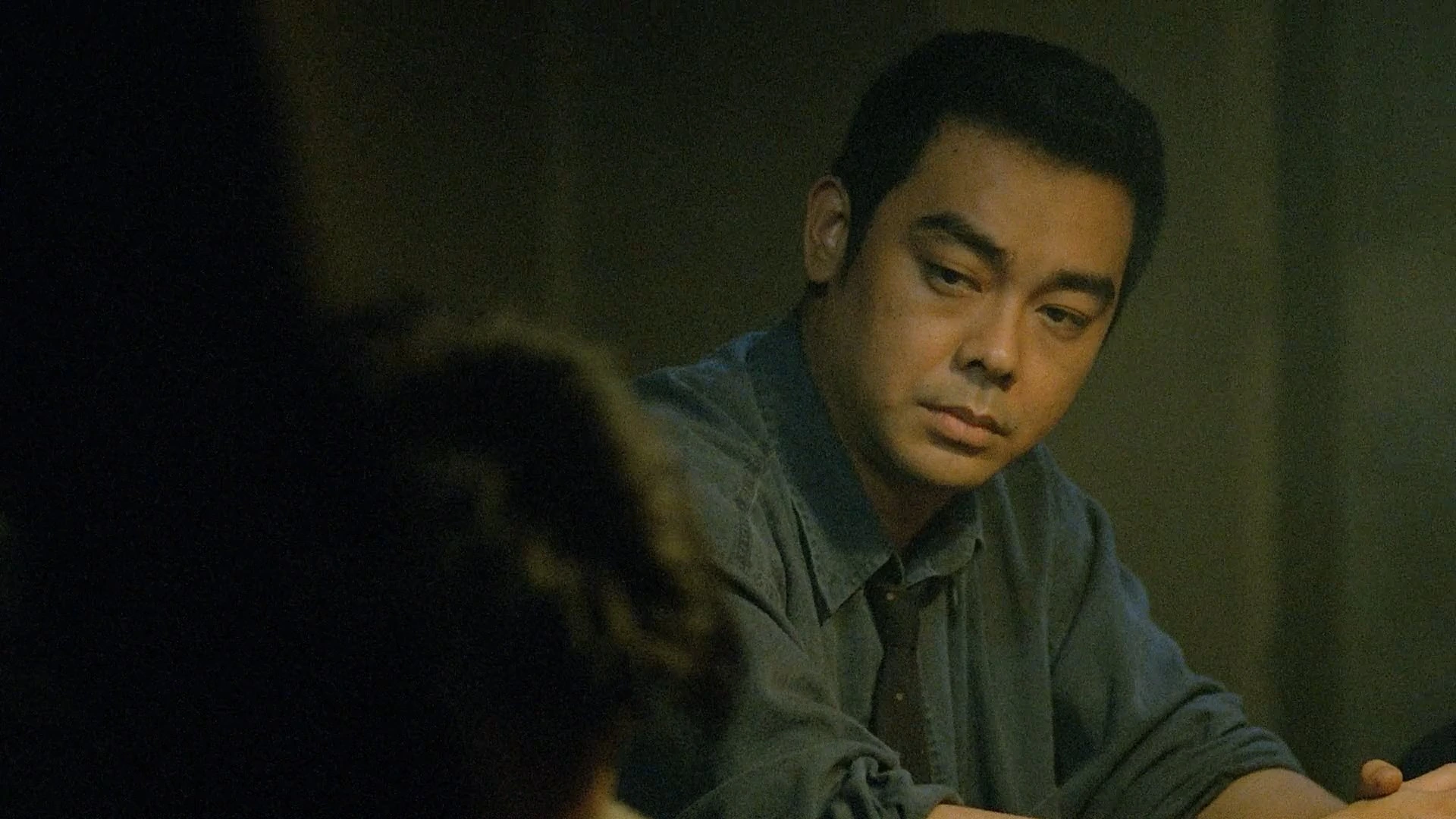
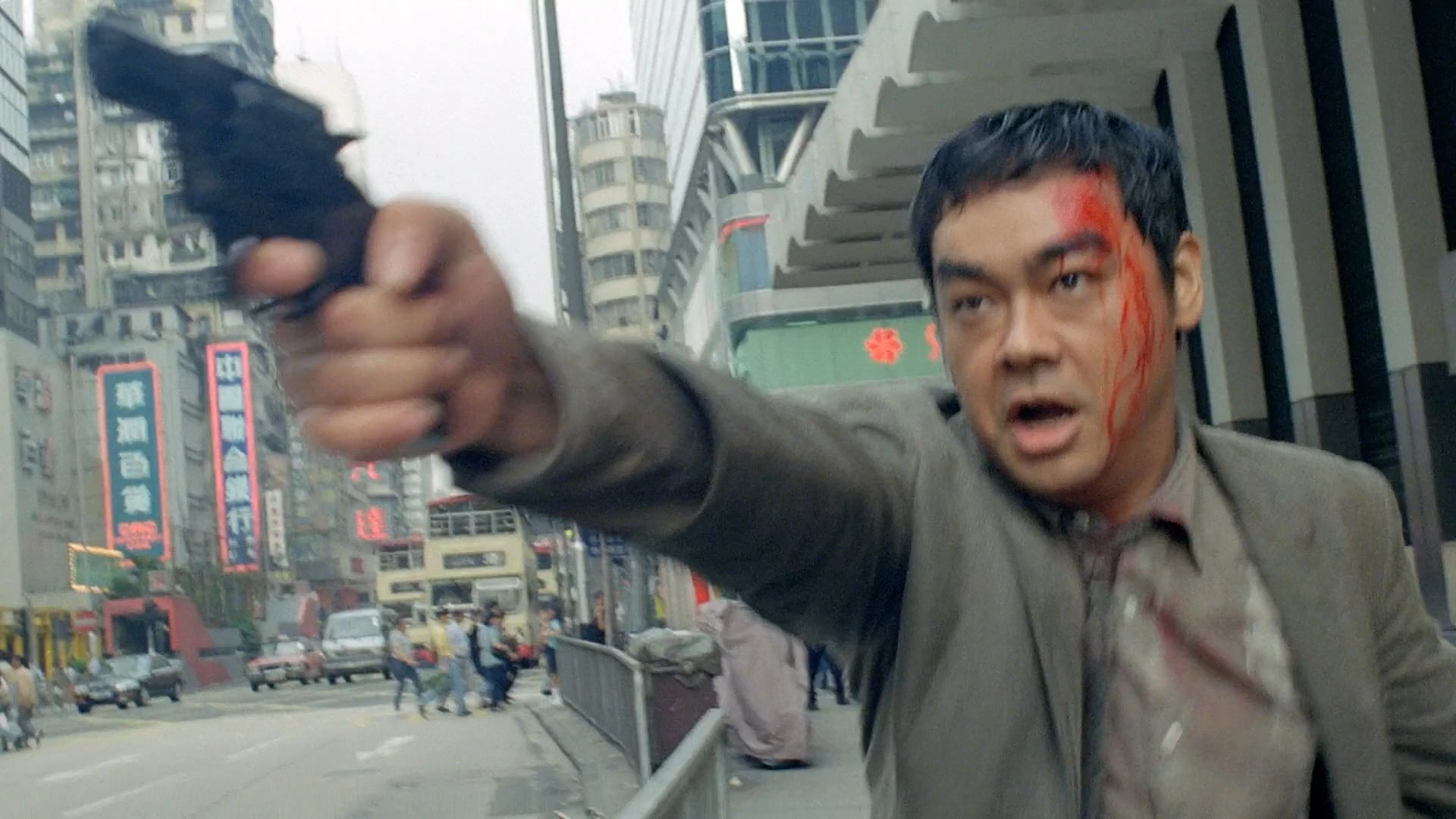
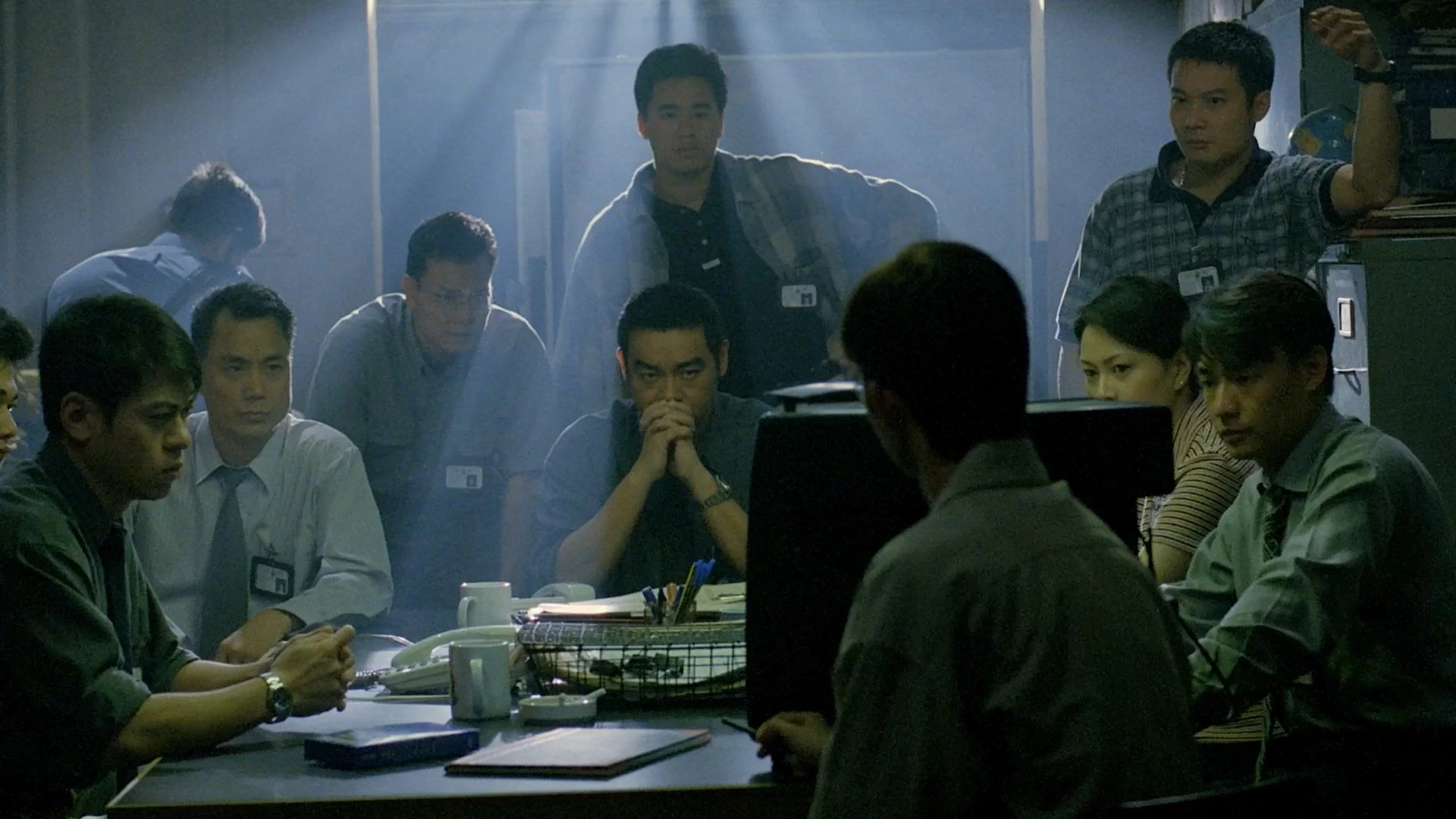
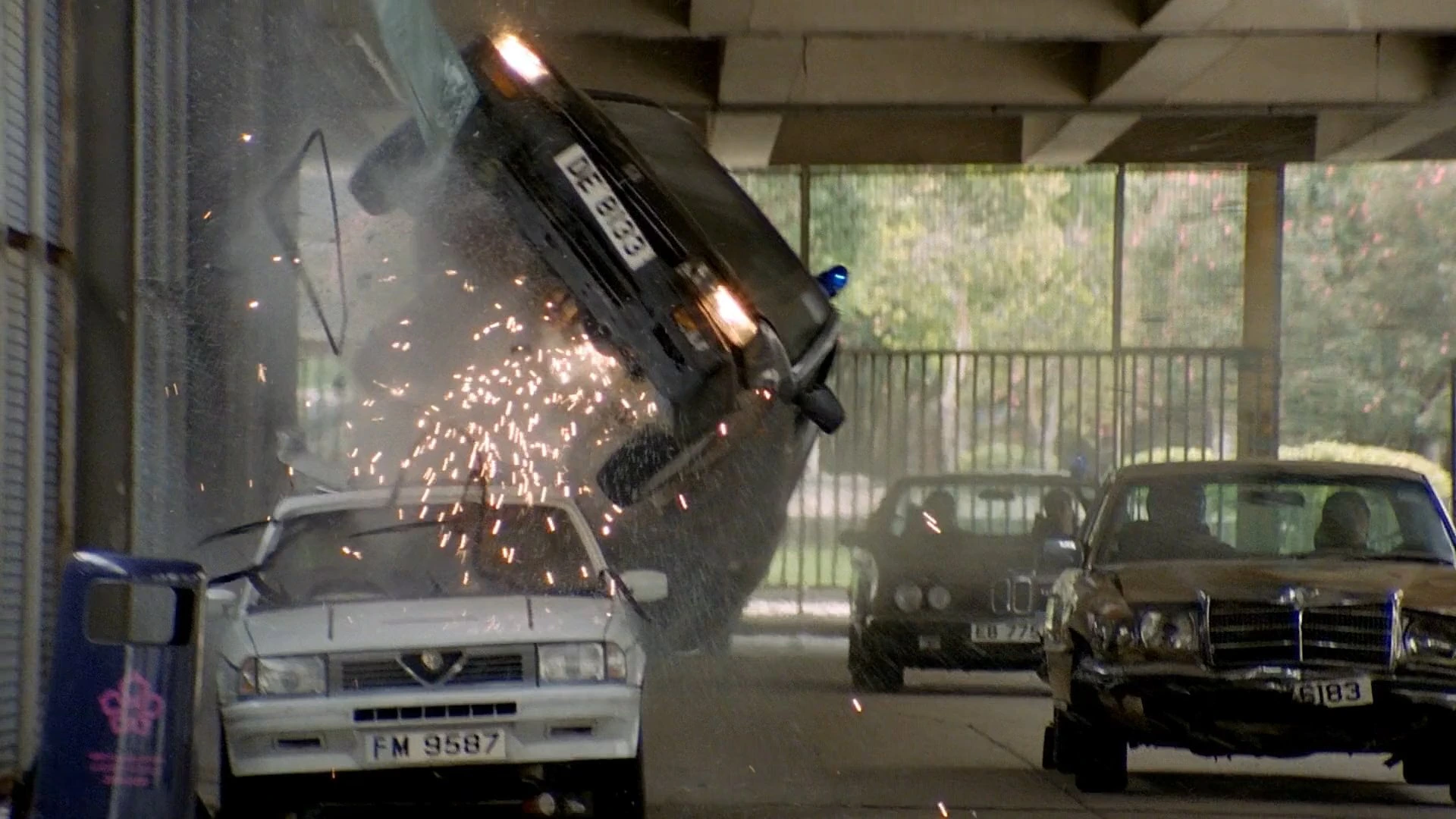
Mak, however, is not a hardened criminal. He suffers from nightmares over the crime he committed, he does not kill policemen even when he has an easy opportunity to do so, he looks back on former years with nostalgia, and his actions are motivated by events from his past. Baau, meanwhile, loses himself in the pursuit of his nemesis, slowly burning out, endangering the lives of random people, and erupting in fury every so often. At a certain point, he becomes a greater threat to the innocent than the criminals themselves. Ultimately, both seem to arrive at the conclusion that perhaps their existence holds little meaning; the only driving force left for them becomes their — equally frustrated — loved ones. Lam also blurs the line between villain and policeman visually, for instance by showing the reflection of one in a window while filming the other.
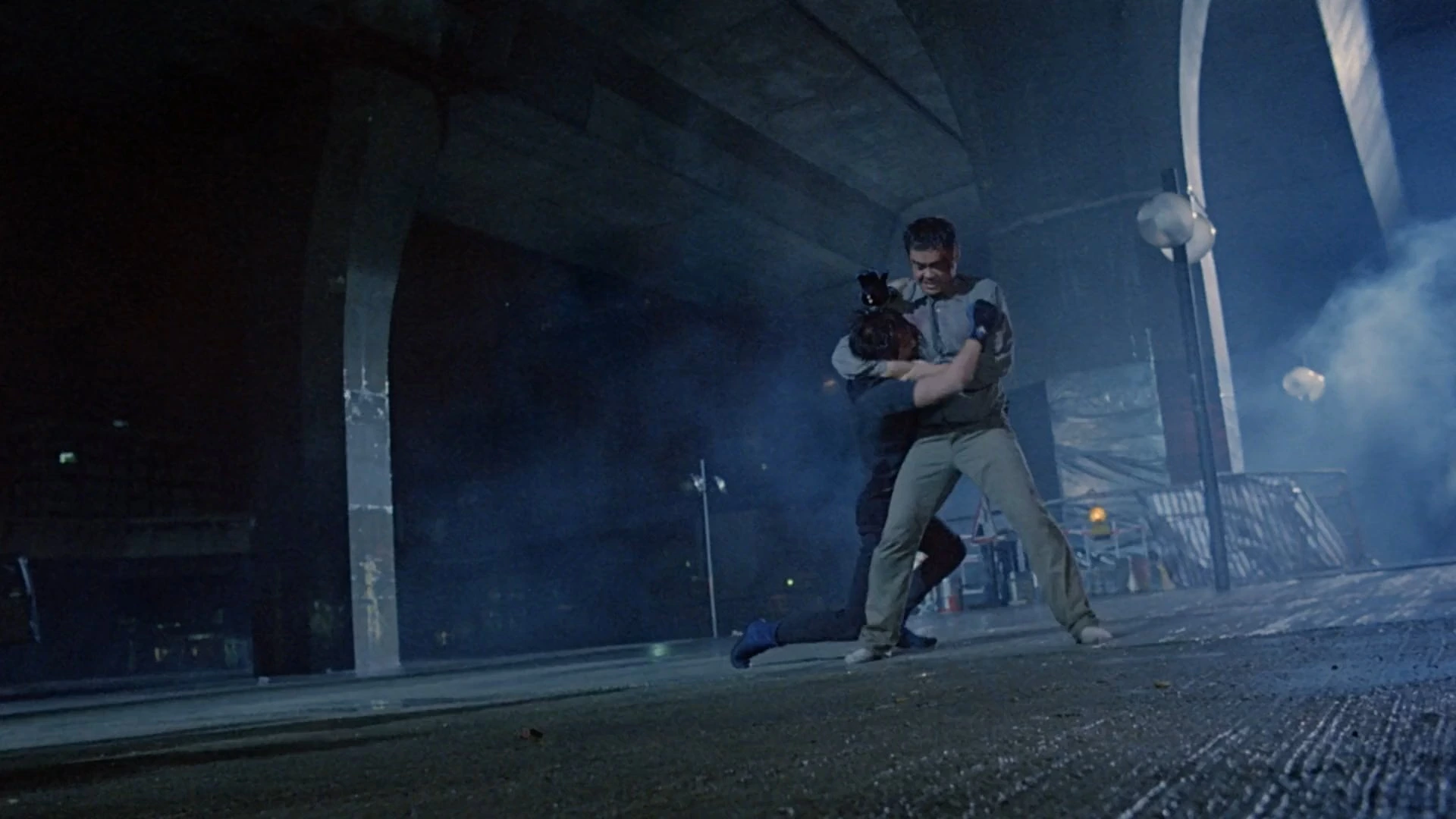
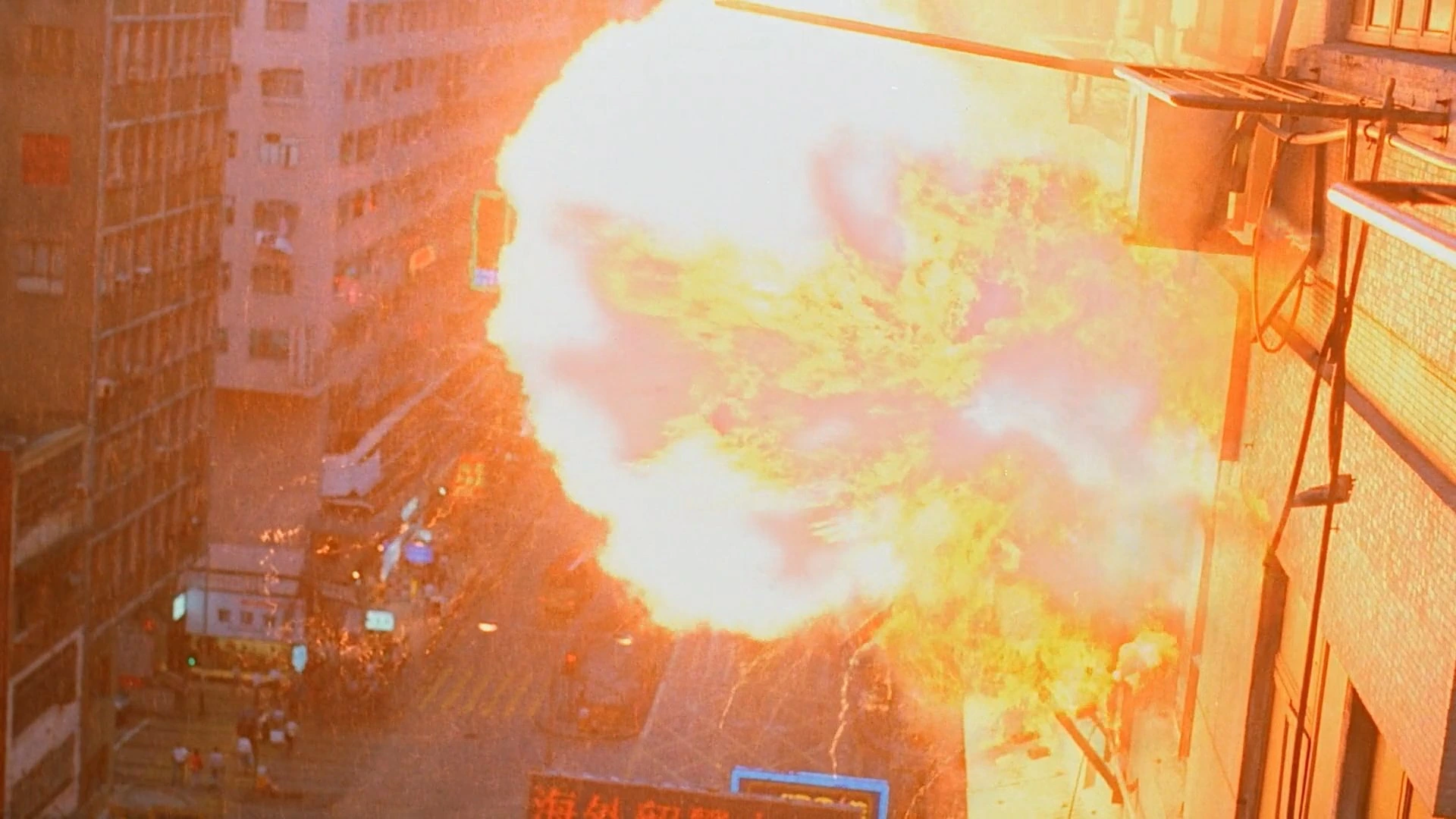
Even though the main plot revolves around a cat-and-mouse game à la Michael Mann’s Heat, the production features several action sequences straight out of the Hong Kong school of filmmaking. Unlike in Maximum Risk, in Full Alert Lam opts for a realistic approach to presenting the action, takes his cameras out onto the city streets — often without the authorities’ permission — and shoots scenes in a quasi-documentary style, although at least a few memorable shots do emerge, particularly in the finale. Anyone who watches the film will certainly also remember the car chase sequence, which — especially given the time at which it was made — makes an electrifying impression.
I admit that I have only seen five films directed by Lam, and this is the best of them. I now have a strong desire to trace his career more closely. I therefore recommend Full Alert. Even though it is unoriginal at its core, as a sometimes almost nihilistic film hovering between action cinema, drama, and thriller, while also touching on political themes, it comes across as at least intriguing. Don’t expect an excessive number of shootouts or martial arts, and you certainly won’t be disappointed.
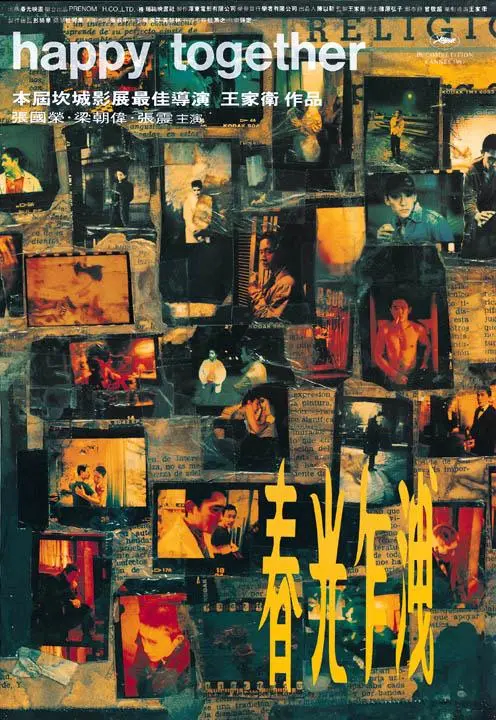
Happy Together
春光乍洩 / ceon1gwong1 zaa3 sit3
[lit.: Sudden Rays of Spring; Sudden Arrival of Spring]
Director and Screenplay: Kar-Wai Wong
Cinematography: Christopher Doyle
Music: Danny Chung Ting-Yat
Editing: William Chang Shu Ping, Ming-Lan Wong
Studio: Jet Tone Productions, Block 2 Pictures Inc., Seowoo Film Co. Ltd., Prenom H Co. Ltd.
Cast: Tony Leung Chiu-Wai, Leslie Cheung Kwok-Wing, Chen Chang, Shirley Kwan Suk-Yi and others.
Hong Kong Film Awards (17th edition)
Nominations:
– Best Film Best Director: Kar-Wai Wong
– Best Actor: Leslie Cheung
– Best Supporting Actor: Chen Chang
– Best Cinematography: Christopher Doyle
– Best Film Editing: William Chang Shu Ping, Ming-Lan Wong
– Best Art Direction: William Chang Shu Ping
– Best Costume & Make Up Design: William Chang Shu Ping
Win:
– Best Actor: Tony Leung Chiu-Wai
Golden Horse Awards (34th edition)
Nominations:
– Best Director: Kar-Wai Wong
– Best Actor: Leslie Cheung
– Best Film Editing: William Chang Shu Ping, Ming-Lan Wong
– Best Art Direction: William Chang Shu Ping
– Best Sound Effects
Win:
– Best Cinematography: Christopher Doyle
Happy Together is undoubtedly the most internationally celebrated film among the 1997 nominees. It has also earned recognition among Polish viewers and critics, primarily thanks to the production’s success at the Cannes Film Festival and the reputation of Wong’s previous work — two years earlier he had made the widely acclaimed Fallen Angels.
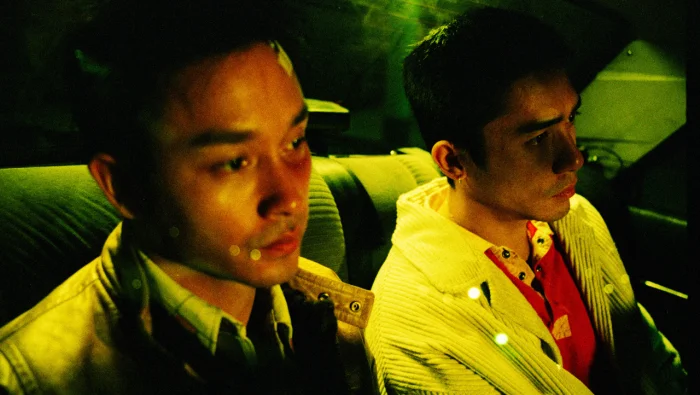
The film focuses on a young couple made up of Yiu-Fai Lai (Tony Leung) and Po-Wing Ho (Leslie Cheung). The choice of protagonists made the production a classic of queer cinema and one of the few films of the 1990s to bring LGBTQ+ themes into mainstream filmmaking. I should mention in passing that Happy Together was my first encounter with Wong; I watched the film for the first time when I was still in middle school. Since this is a very well-known title about which much has already been written, and which everyone with an interest in Hong Kong cinema has most likely seen, I will highlight only what I consider its most interesting aspects.
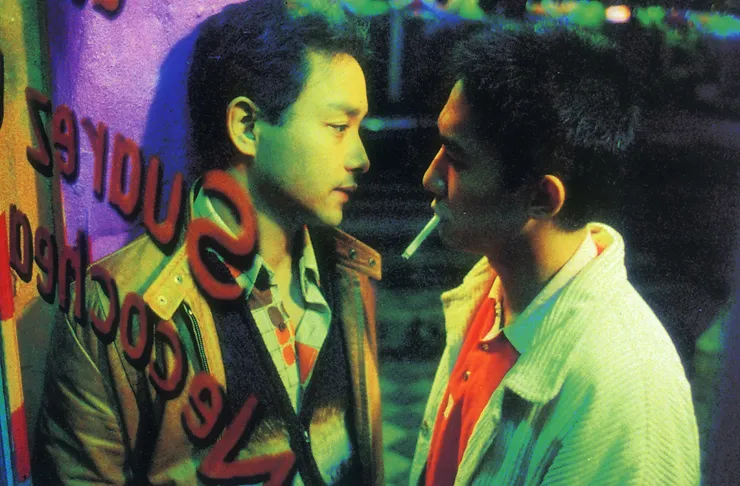
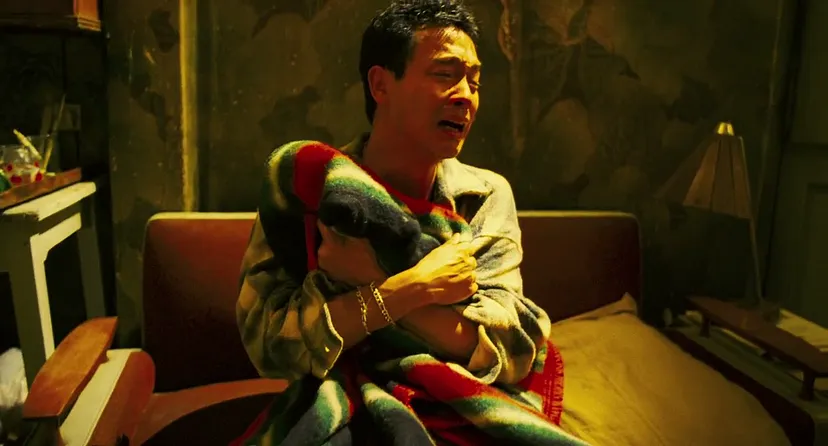
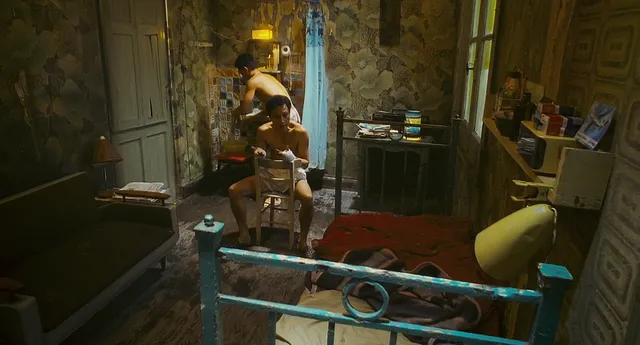
Undoubtedly, what first captures our attention are the two protagonists and their relationship. The production opens with a sex scene between two men, which did not sit well with every viewer. It serves, in a sense, as a filter for those who probably would not have gotten much out of the film anyway. In portraying a gay romance, however, Wong does not create cinema that explores exclusively homosexual relationships. He treats the couple in the same way he treated male-female couples in his previous films — which means the lovers take on the status of a universal symbol of love and human relationships. Of romantic relationships abroad in particular, in a separation that plunges them into a state of weariness and an almost destructive monotony.
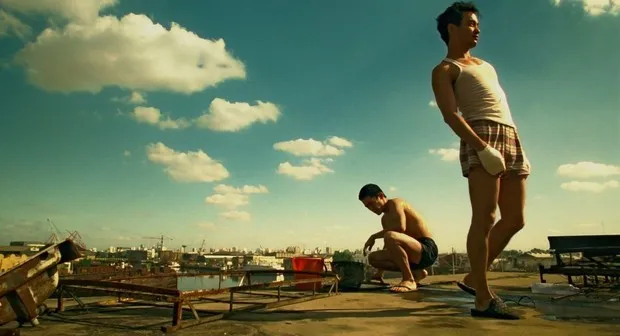
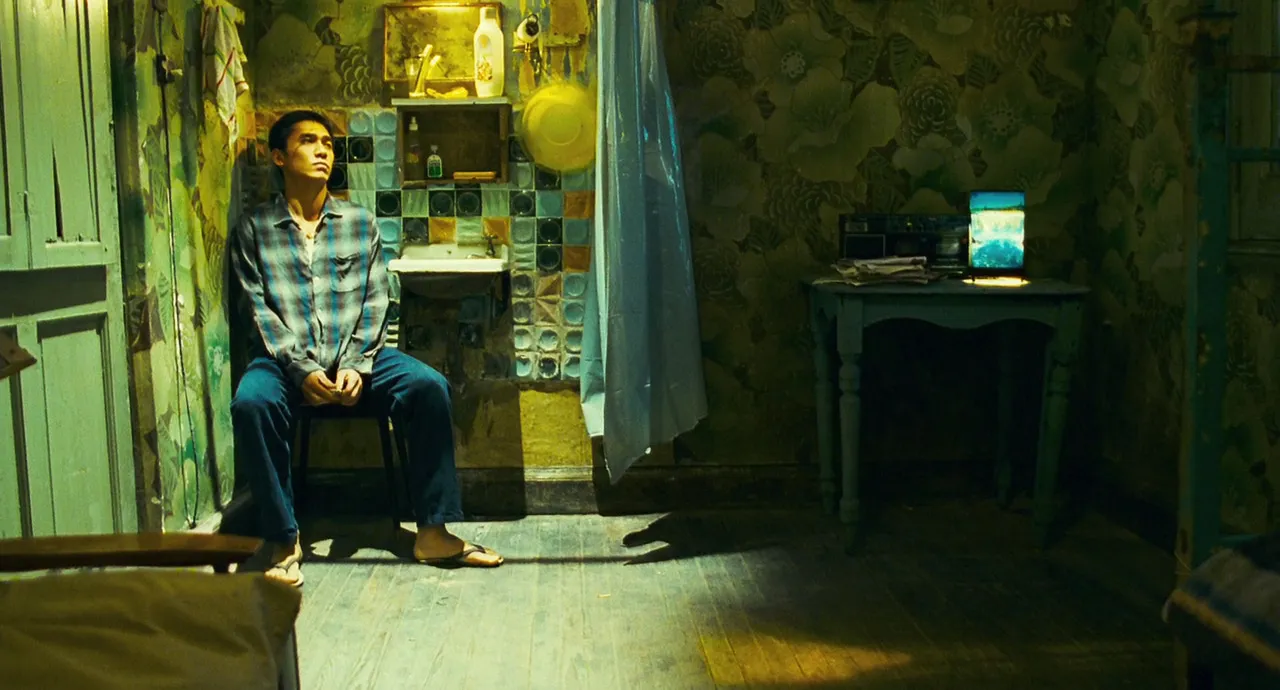
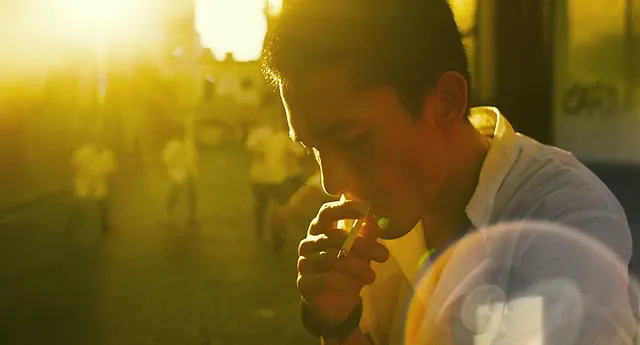
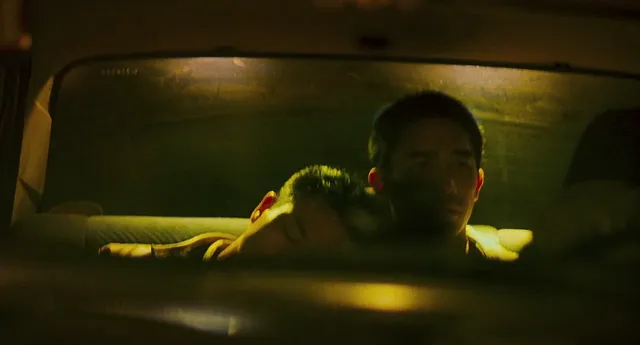
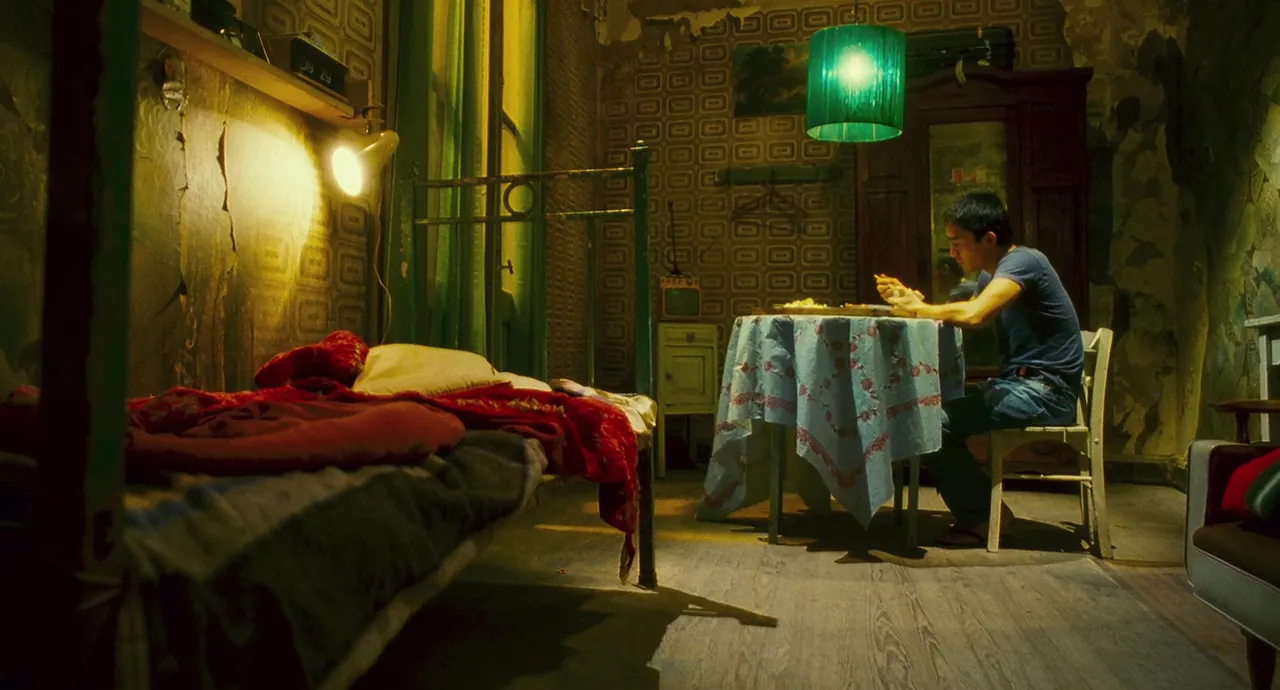
The second most memorable motif in the film, at least for me, is the image of Hong Kong shown upside down. The protagonists’ relationship unfolds in Buenos Aires, so they are in a sense in exile — and that exile, like all exile, is not only physical but also mental. The question of searching for and losing one’s identity undoubtedly surfaces here in the context of the impending handover of Hong Kong to China, which was approaching at the time of filming. The shot of the metropolis turned upside down is one of the last images of the city in Wong’s work before that event. The Hong Kong that once existed ceases to be a real place and instead begins to migrate into the distorted and distorting world of memory; Hong Kong — like the film’s protagonists — loses its identity and must learn to live with a new one, or find one altogether.
The sense of uprootedness is underscored not only by the setting but also by a pervasive feeling of urban alienation. Many critics and reviewers write about the color palette in Happy Together, which is unsurprising, as it beautifully captures the characters’ emotions, their toxic relationship — love in Wong’s work is less a beautiful feeling than one filled with fiery passion but also fiery violence — and the claustrophobic spaces they inhabit. It is worth adding that the film was restored in 2021, though the new version proved at least controversial due to modifications to the color saturation, which became less contrasted; some appreciate this, but most do not. Personally, I have nothing against the newer approach to color, which lends its use a degree of subtlety.
The film also dazzles thanks to its two lead actors. All fans of Hong Kong cinema know — and probably love — Tony Leung and Leslie Cheung. Leung is perhaps slightly more widely recognized in Poland, thanks to his appearances in productions such as Infernal Affairs, Hero, and Shang-Chi and the Legend of the Ten Rings. Their performances are all the more worthy of praise given that Wong did not hand them a full screenplay, only a two-page plot outline. The actors therefore had to rely on improvisation for almost the entire shoot. Cheung is exceptionally dynamic here, his performance contrasting beautifully with the more restrained character wearing Leung’s face. Chang also shines in the role of a Taiwanese wanderer, and his journey and relationship with Ho further underscore the fleeting nature of peace and joy.
It is probably no surprise to anyone who has followed this column for a while that Wong is a director I hold in great respect and whose films I value highly. Happy Together, as a story of complete uprootedness, of homelessness, of a vicious cycle of romantic violence and jealousy, of the mutability of feeling and a general sense of being lost, stands as outstanding cinema of Hong Kong’s transitional period and one of the more compelling films of the 1990s.
Island of Greed
黑金 / haak1gam1
[Lit.: Black Gold]
Director: Michael Mak Tong-Kit
Screenplay: Johnny Mak Tong-Hung
Action Choreography: Bun Yuen
Cinematography: Jingle Ma Choh-Shing, Tony Cheung Tung-Leung
Editing: Hung Poon
Music: Raymond Wong Ying-Wah
Studio: Johnny Mak Production Co. Ltd., Win’s Entertainment Ltd.
Cast: Tony Leung Ka-Fai, Andy Lau Tak-Wah, Pauline Suen Kai-Kwan, Annie Wu Chen-Chun, Kathy Gwok Jing-Jun, Doze Niu Cheng-Tse, Winston Chao Wen-Hsuan, Li-Chun Lee and others.
Hong Kong Film Awards (17th edition)
Nominations:
– Best Screenplay: Johnny Mak Tong-Hung
– Best Actor: Tony Leung Ka-Fai
– Best Supporting Actress: Pauline Suen Kai-Kwan
– Best Action Choreography: Bun Yuen
– Best Art Direction: Raymond Lee King-Man
– Best Sound Design
– Best Original Film Song: Bai Wu (music and lyrics), Andy Lau (vocals)
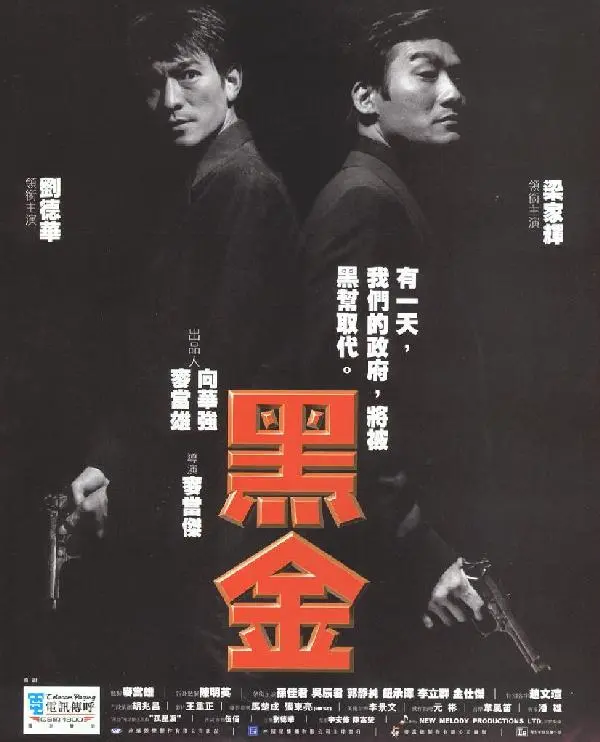
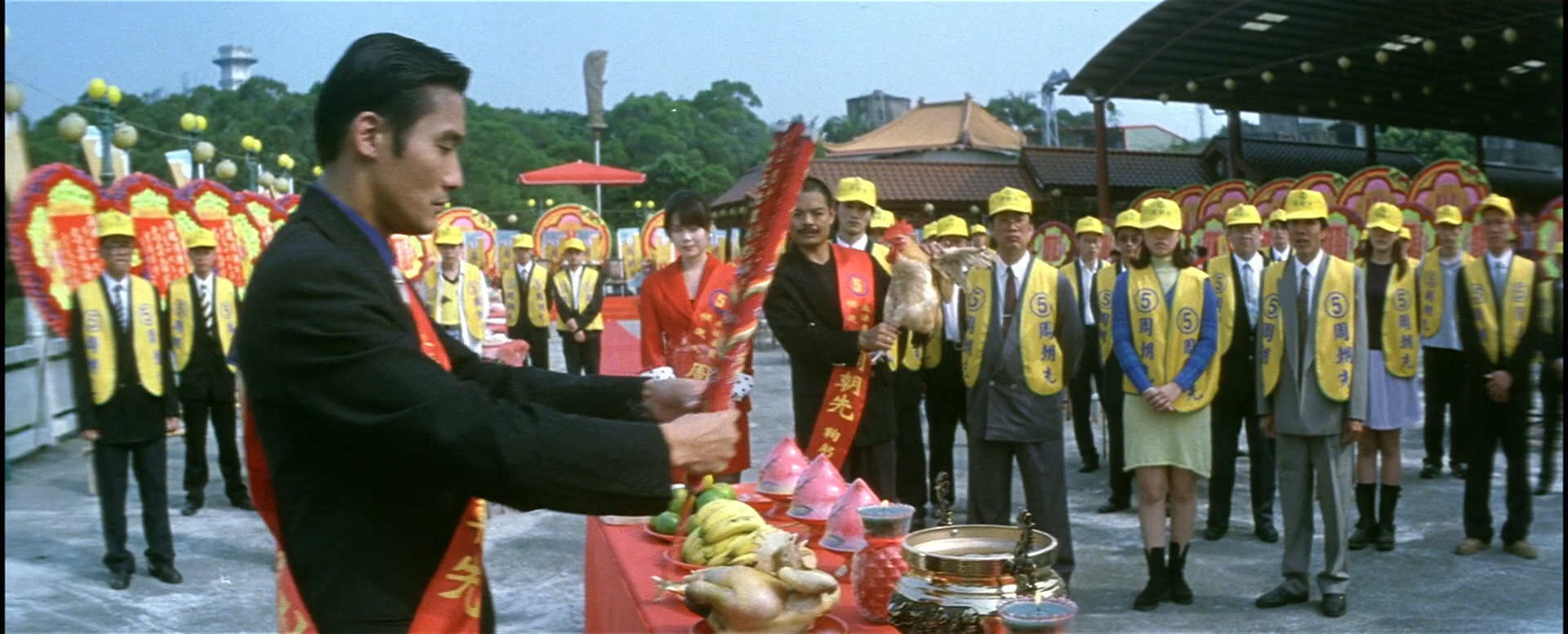
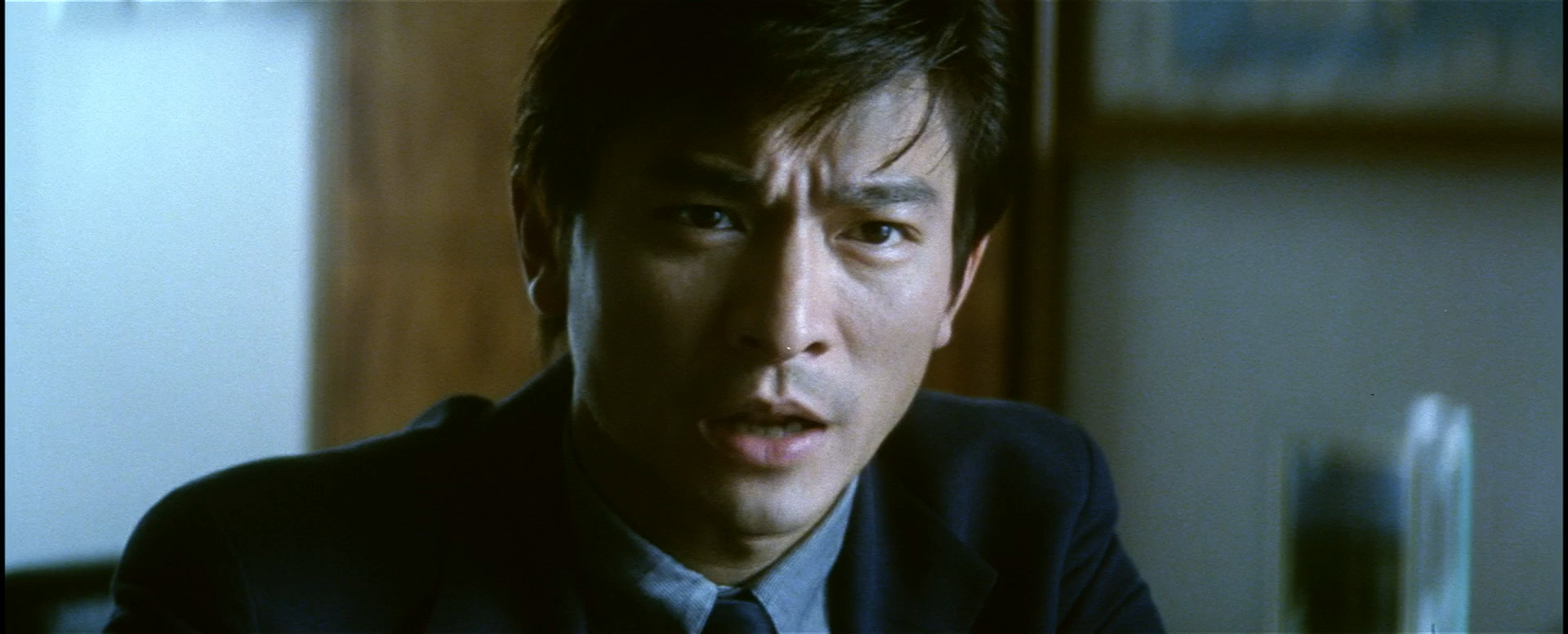
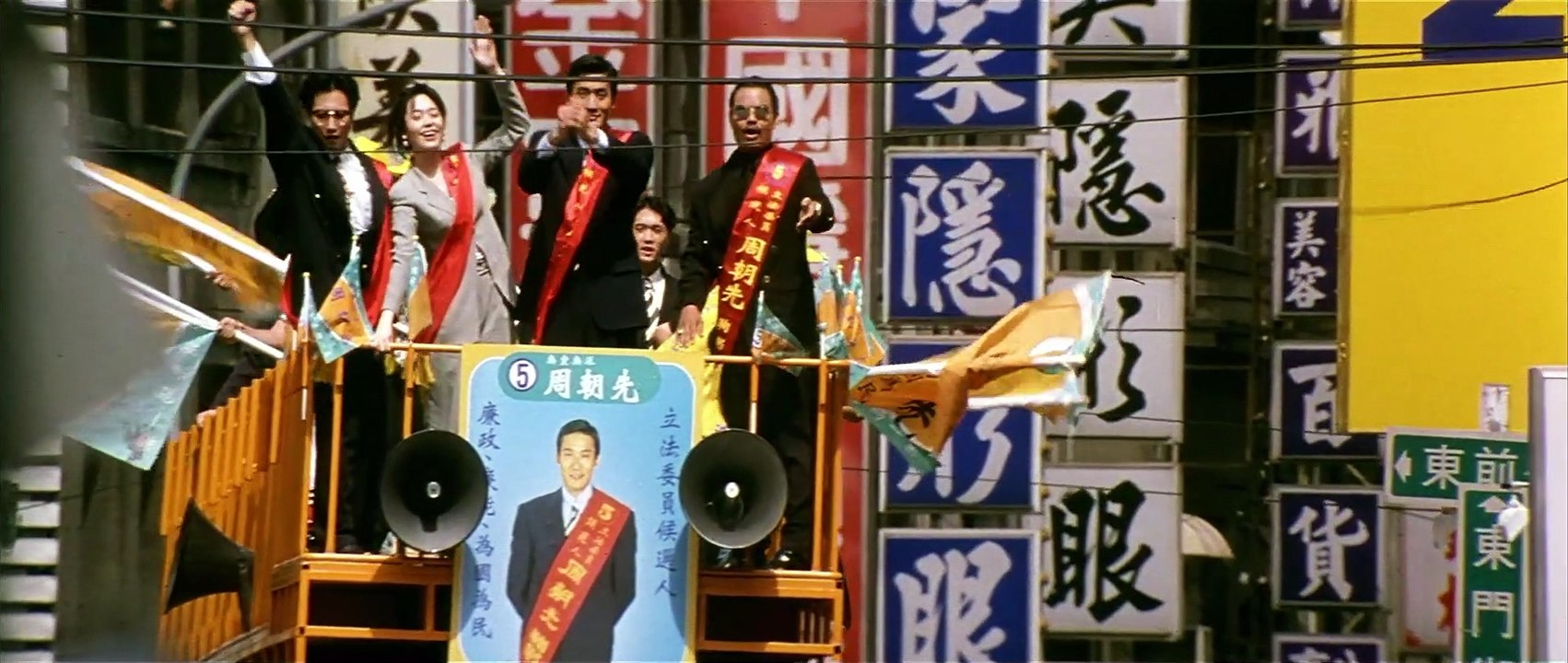
The next film in our survey of nominees and winners is Island of Greed, a gangster-political action thriller that at times reminded me of jitsuroku yakuza eiga filtered through Hong Kong action cinema and transplanted to Taiwan. The production features several extended shootout and brawl sequences, five of which are particularly impressive. Primarily, however, it is the aforementioned political thriller, following the story of gangster Chiu-Sin Chow (Tony Leung), who runs an electoral campaign in collusion with the ruling party in order to win a seat in parliament. His campaign is of course largely built on intimidation and murder. Standing against him — alongside his political enemies, including a corrupt, rapist, drug-dealing religious leader — is police captain Gwok-Fai Fong (Andy Lau).
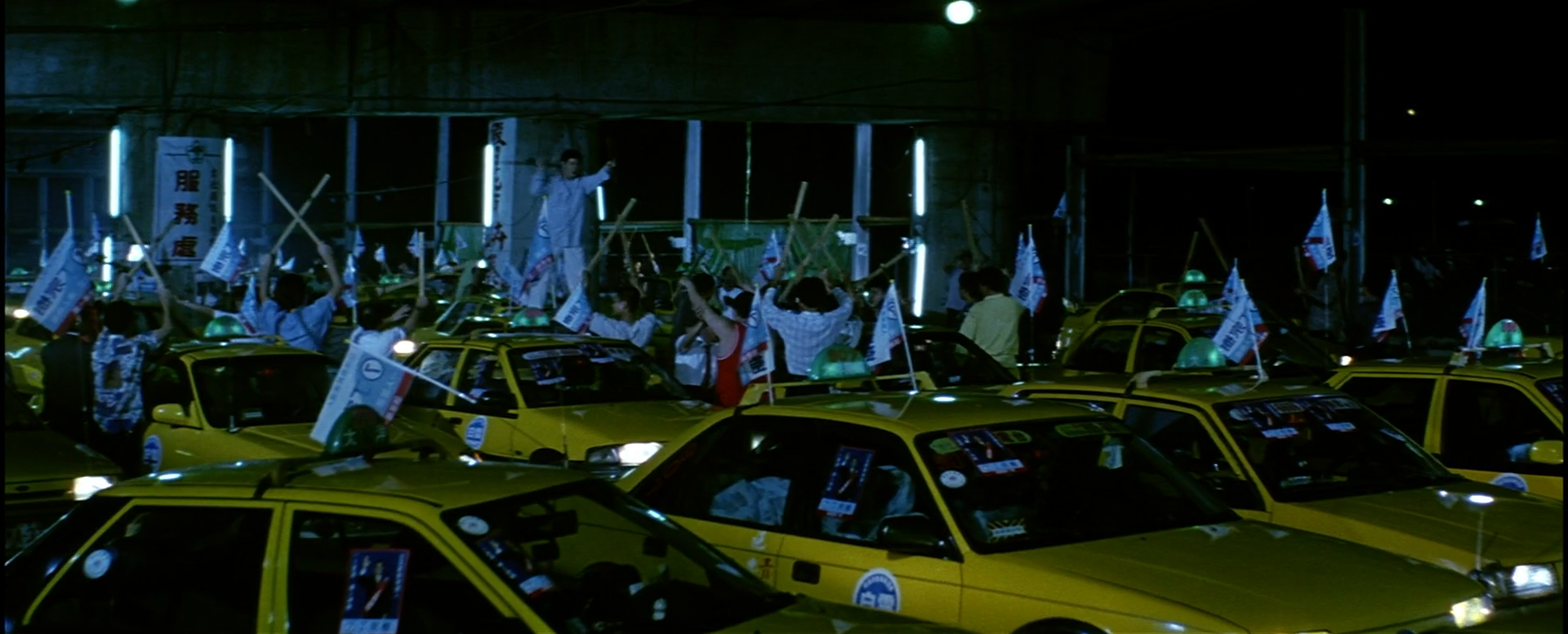
The film’s Chinese title refers to a Taiwanese practice known as “black gold.” This consisted of using gangs and illegally earned money to influence the outcomes of political elections in the country. In this context, the production attempts to shed light on the influence of triads and gangsters on the world of politics, systemic corruption, vote-buying, and so on, during a period of developing democracy in Taiwan. Choosing the political rise and fall of Chow as the central narrative thread was ideal for illustrating the situation. The use of action sequences — particularly in the film’s finale — can in this context be read as an expression of powerlessness in opposing these practices through legal and lawful means, since the law itself is controlled by corrupt politicians, judges, and police officers. A forceful approach therefore presents itself as necessary, matching the aggressiveness of the criminals’ own actions.
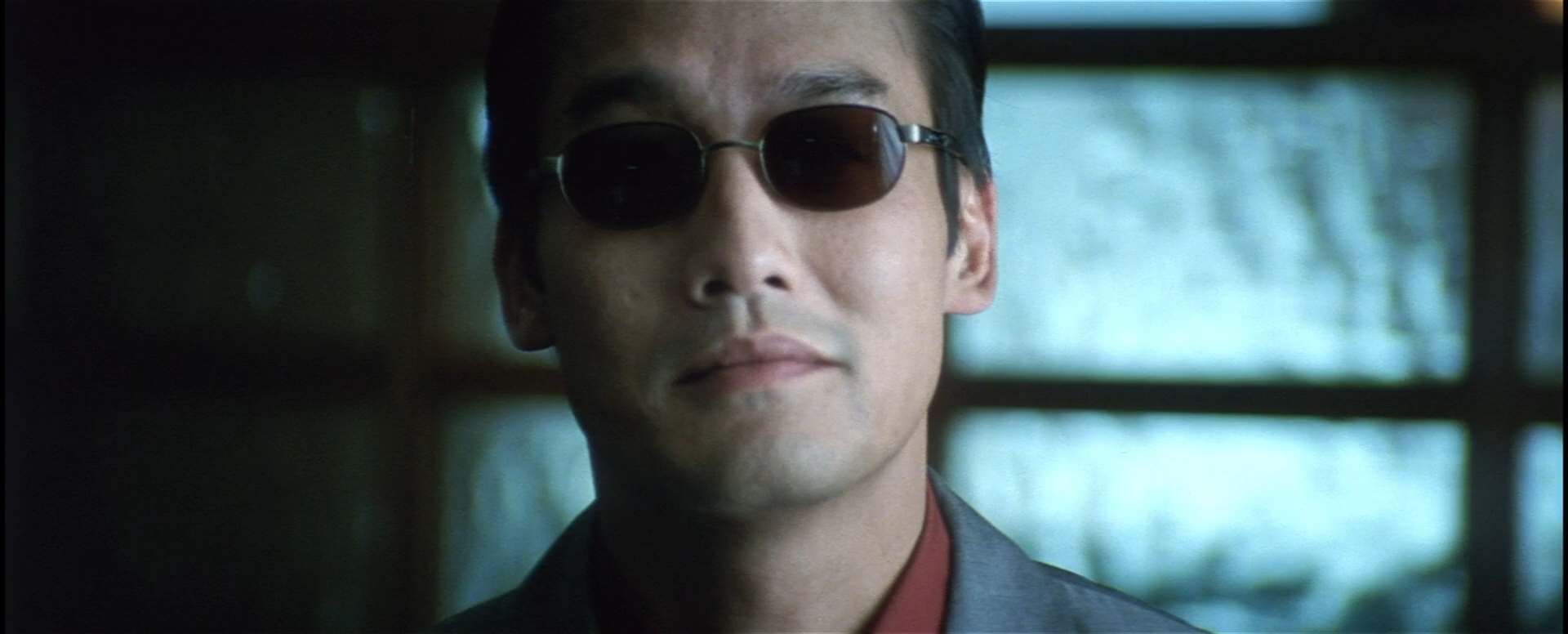
Unfortunately, despite an interesting premise and prologue, the film falls badly short on the narrative front. First of all, it sketches exceptionally thin and incomplete psychological portraits of its characters. The protagonist and antagonist — Fong and Chow — offer almost nothing beyond the charisma of their actors. Fong suffers most from this, as Lau is forced to embody a stereotypically good policeman, leaving him permanently bland. It is Tony Leung, then, who commands the viewer’s full attention. His Chow is sadistic, cold, and calculating, yet capable of erupting into bursts of extreme violence; he is aroused when his wife is — or pretends to be — disobedient. Leung has endowed Chow with many mannerisms that make him a more fully developed character than the screenplay suggests, from which we learn only that he was once in prison and now wants the triads to control national politics.
The supporting characters fare even worse, particularly the positive ones. Fong’s three colleagues simply exist. One has been reduced to background furniture, while the other two barely utter a handful of lines. When Island of Greed begins placing them in dangerous situations, the viewer has no motivation whatsoever to care about their fate.
The second weakness is the pace of the narrative, which frequently races at breakneck speed from one plot twist to the next. Some viewers may also be put off by the film’s abundance of subplots, although personally I never felt lost, and the variety of events and characters does, in a sense, lend the production a degree of universality in its message despite its focus on a specific issue. It is worth noting that according to information about the film, it was partly based on real crimes. The screenplay apparently draws on the so-called “Zhou Renshen gambling scandal” and other cases involving money laundering and the connections between gangsters, police, and politicians from the 1990s. Furthermore, in one scene Chow is compared — on a visual level — to President Teng-Hui Lee, which constitutes an obvious allusion to the real-life politician.
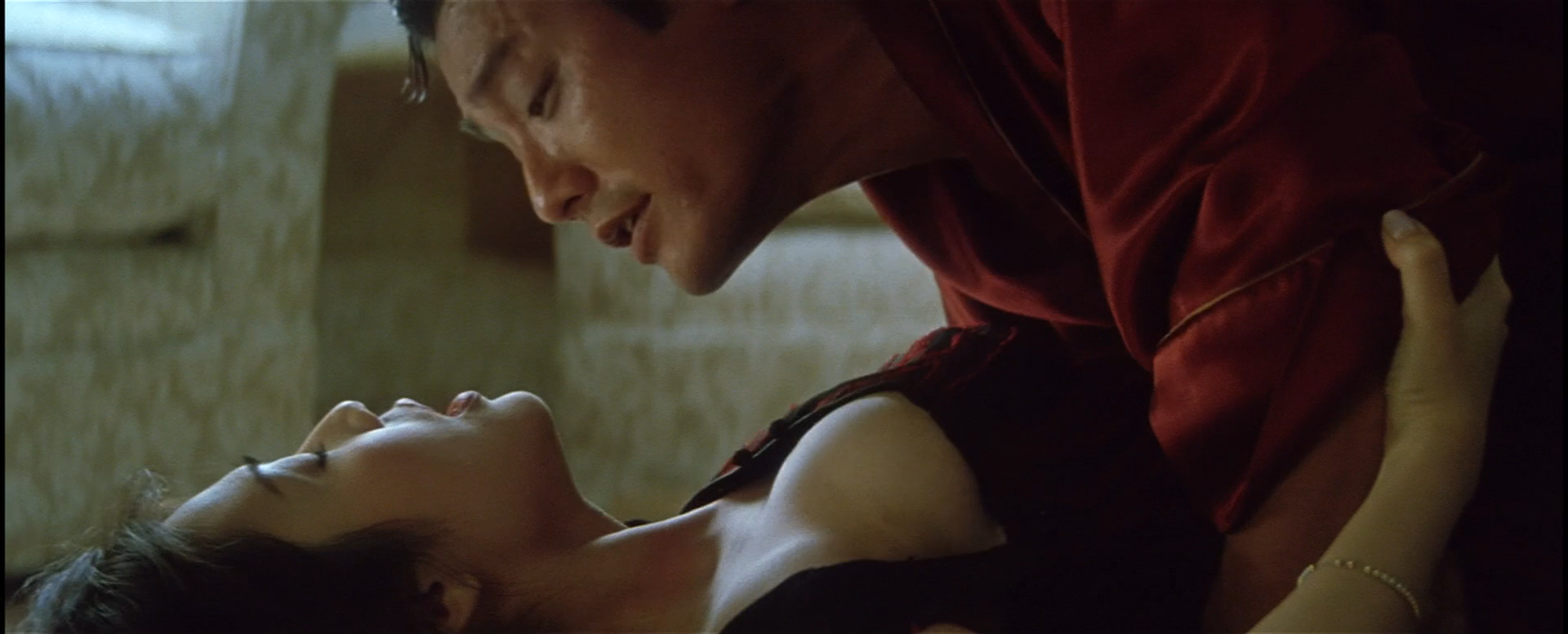
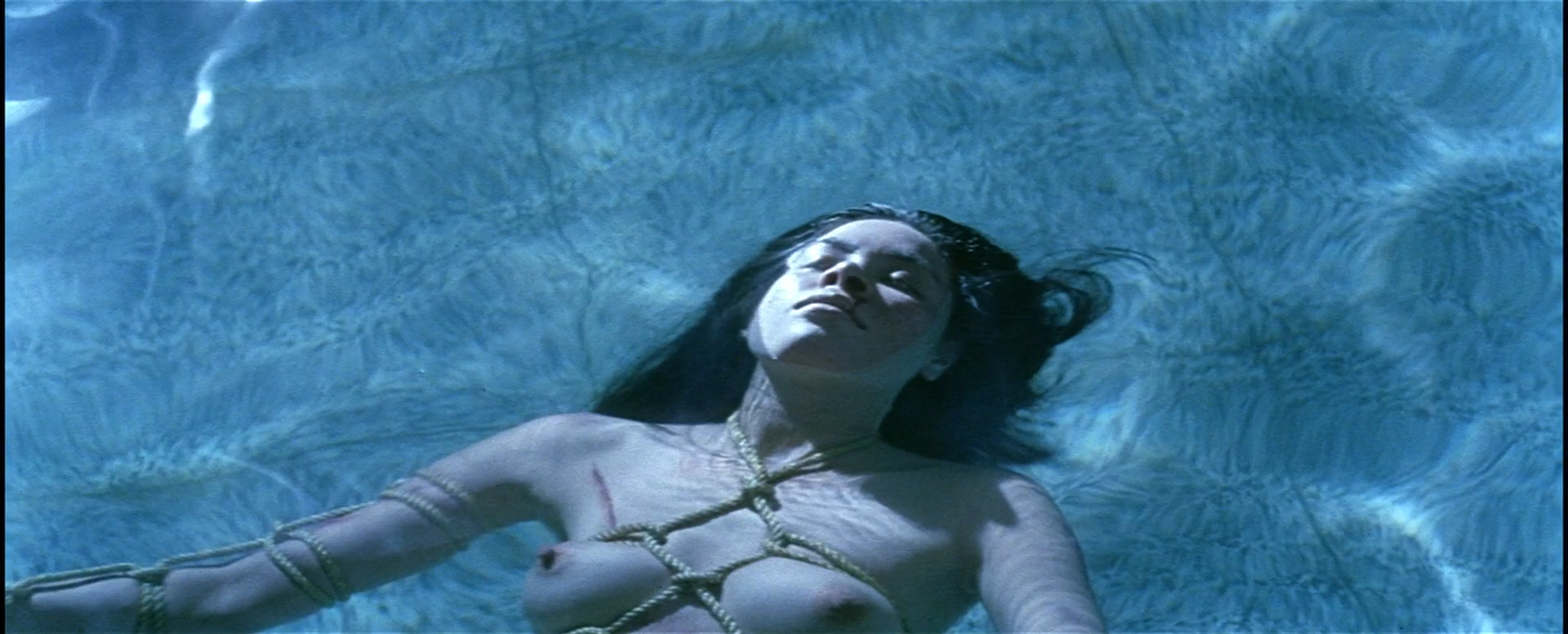
In terms of action sequences, Island of Greed is very uneven, and the inclusion of scenes straight out of exploitation cinema is somewhat bizarre and entirely at odds with the overall tone. In one scene, for instance, a senior politician is murdered by a hired prostitute; the scene looks like something out of a low-budget softcore action film or a Japanese sexy action production made for the V-Cinema market. It is completely out of step tonally with the rest of the film, and the camera’s focus on the woman’s breasts undermines the critique of immorality — including the sexual licentiousness of power — by inviting viewers to take pleasure in watching the erotic act. Fortunately, such moments are very few.
Action sequences in general are sparse, but when they do appear they are usually lengthy and elaborate. In the shorter skirmishes, particularly when fists and kicks are involved, the production falls flat. The editing is too choppy and the choreography difficult to read. The filmmakers were clearly attempting to convey the chaos of the fighting, much as Ringo Lam did in Full Alert. But Lam neither hacked his editing to pieces nor reached for kung-fu-style choreography. Mak, on the other hand, teases us with acrobatic displays while presenting them in a way that yields little satisfaction.
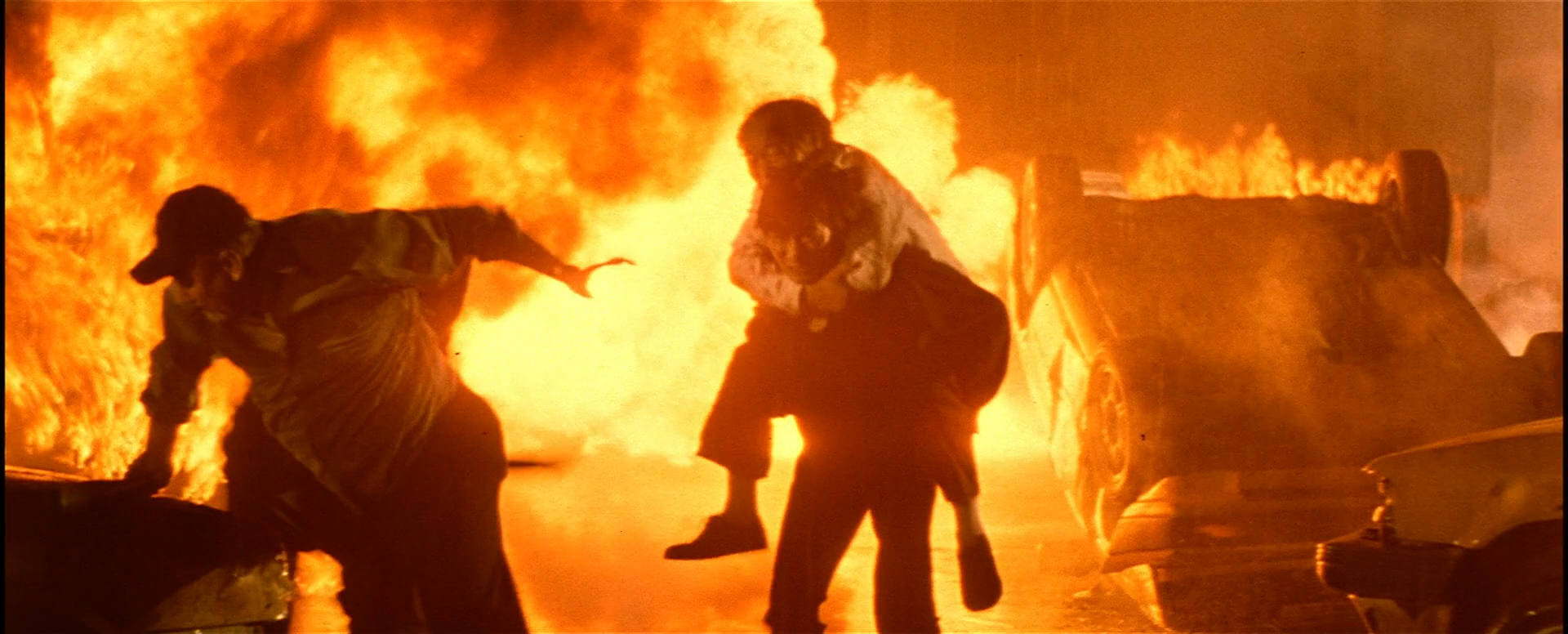
Yet the nomination for best action choreography is not a mistake. The film contains three genuinely outstanding sequences in particular. In one of them, an enormous horde of dogs is unleashed on the protagonists and a friend; I cannot recall ever having seen so many four-legged animals in a single scene, at least in an action film. The dogs chase Fong and his companions while they are already engaged in a pursuit involving speeding cars and motorbikes, itself supplemented by gunfire and hand-to-hand combat. And that is not all — the gangsters are holding a kidnapped man on a massive fishing rod, which they use to swing him in every direction. This sequence was cut in some international releases of the film, as at one point the dogs burst into a henhouse and bite a number of the chickens. None are visibly killed on screen, but I suspect at least a few birds did not survive.
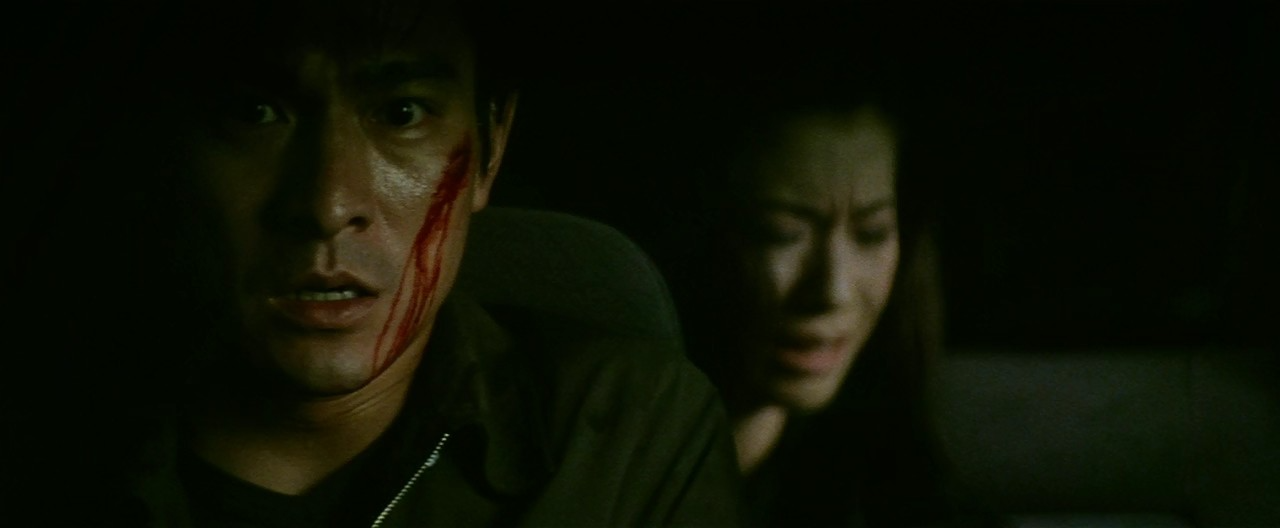
The second sequence worth mentioning is a shootout that takes place at night in a crowded market. The sheer number of people means that both the police and the killers must force their way through the crowd. During it, Fong and his three companions are hunted by hired assassins. A confrontation ensues, resulting in the deaths of bystanders. The sequence is quite intense not only because of the gunplay, but also because of the uncertainty as to who in the crowd is a gangster — meaning every person passed could be a potential enemy.
Finally, the third sequence I will describe is a piece of typically over-the-top Hong Kong action cinema. In it, Fong attacks Chow’s motorcade — from a combat helicopter, no less — and Chow responds by picking up a rocket launcher from the back seat. The sequence is undeniably elaborate and inventive, but after the relatively grounded action that has preceded it (a few not entirely realistic scenes notwithstanding), its excess sits awkwardly with the rest of the film and holds up poorly to logical scrutiny. It certainly looks spectacular, though. Andy Lau managed to damage the helicopter during filming, for which he was taken to court and ultimately lost the case in 2014, being ordered to pay a fine of 2.67 million New Taiwan dollars.
Unfortunately, despite its popular cast, weighty subject matter, and complex action sequences, the film’s flaws prevailed and it flopped at the box office. Nevertheless, it generated considerable buzz. In Taiwan, for example, the government objected to its being released under the title “Black Gold” in order to avoid the obvious political connotations. It was only years later that the film became a cult title in the local market, and some of the lines delivered by the characters — Chow’s in particular — entered public discourse.
The song nominated for the HKFA can be listened to here.
Text originally published in Polish in Kinomisja (Rest in Pulp).
The archive of all Kinomisja articles (Polish language only) is available here.